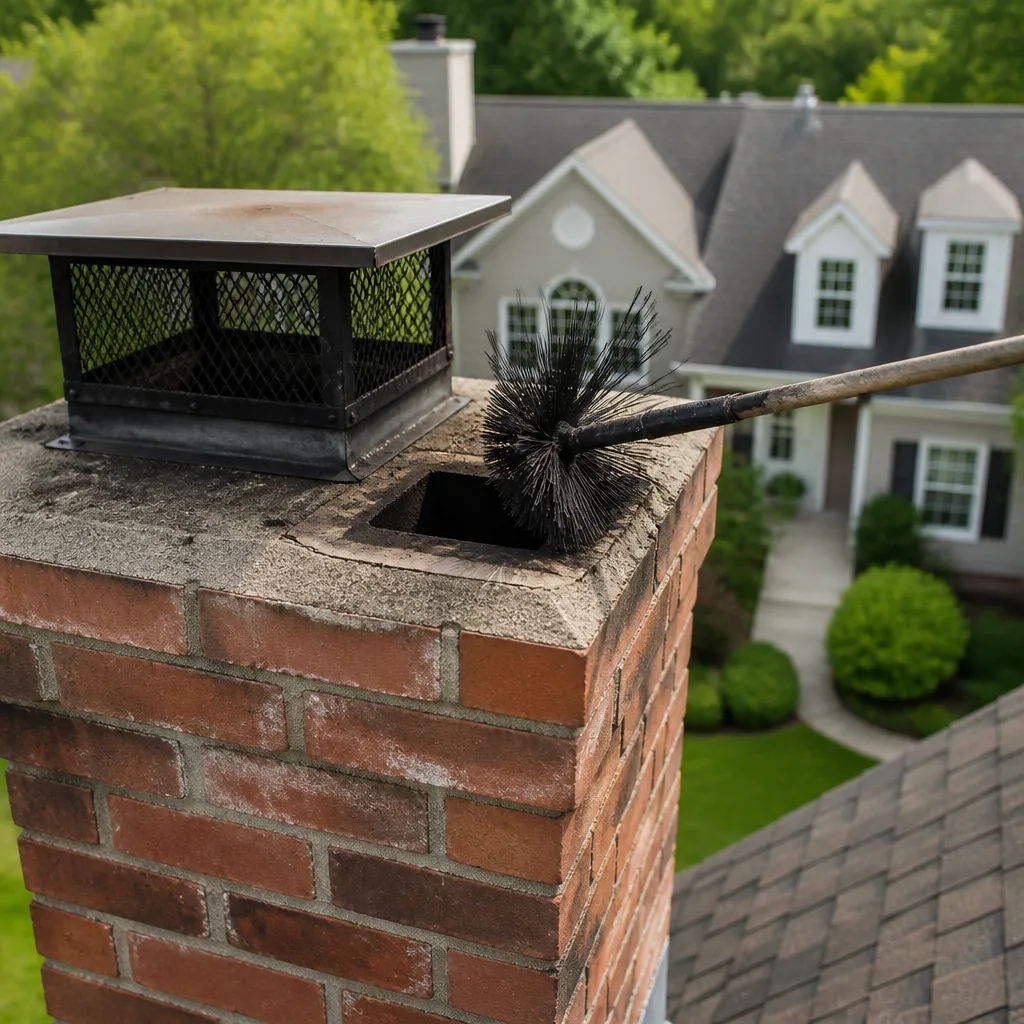
 Sweep & inspection
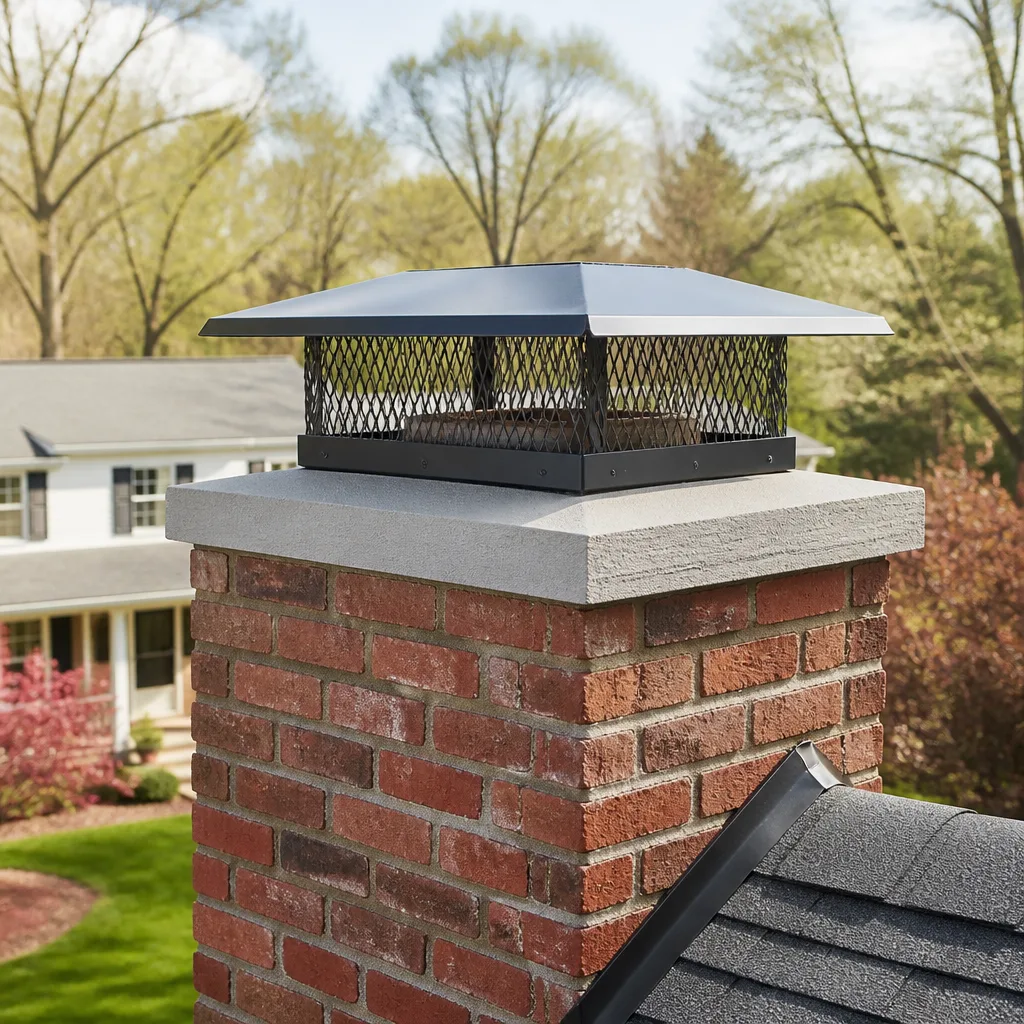 Caps & crowns
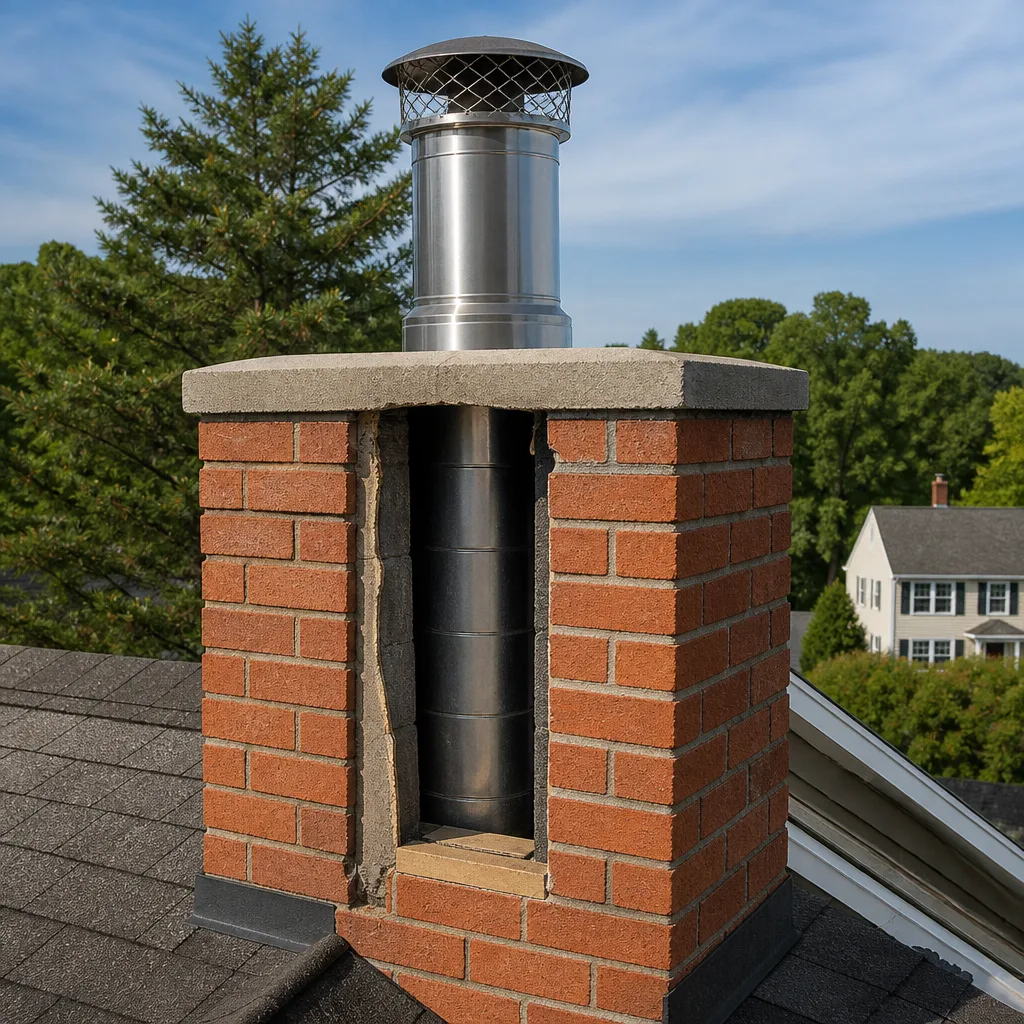 Flue relining
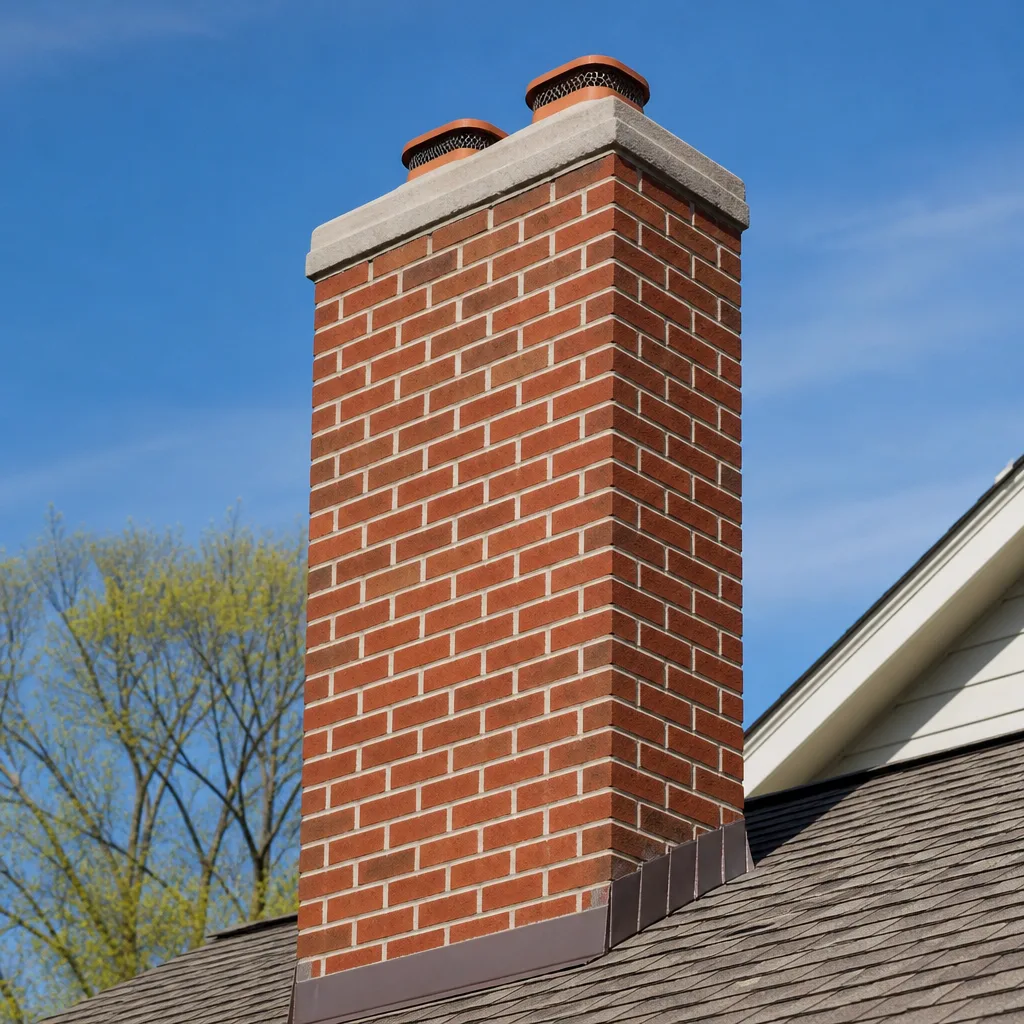 Masonry repair
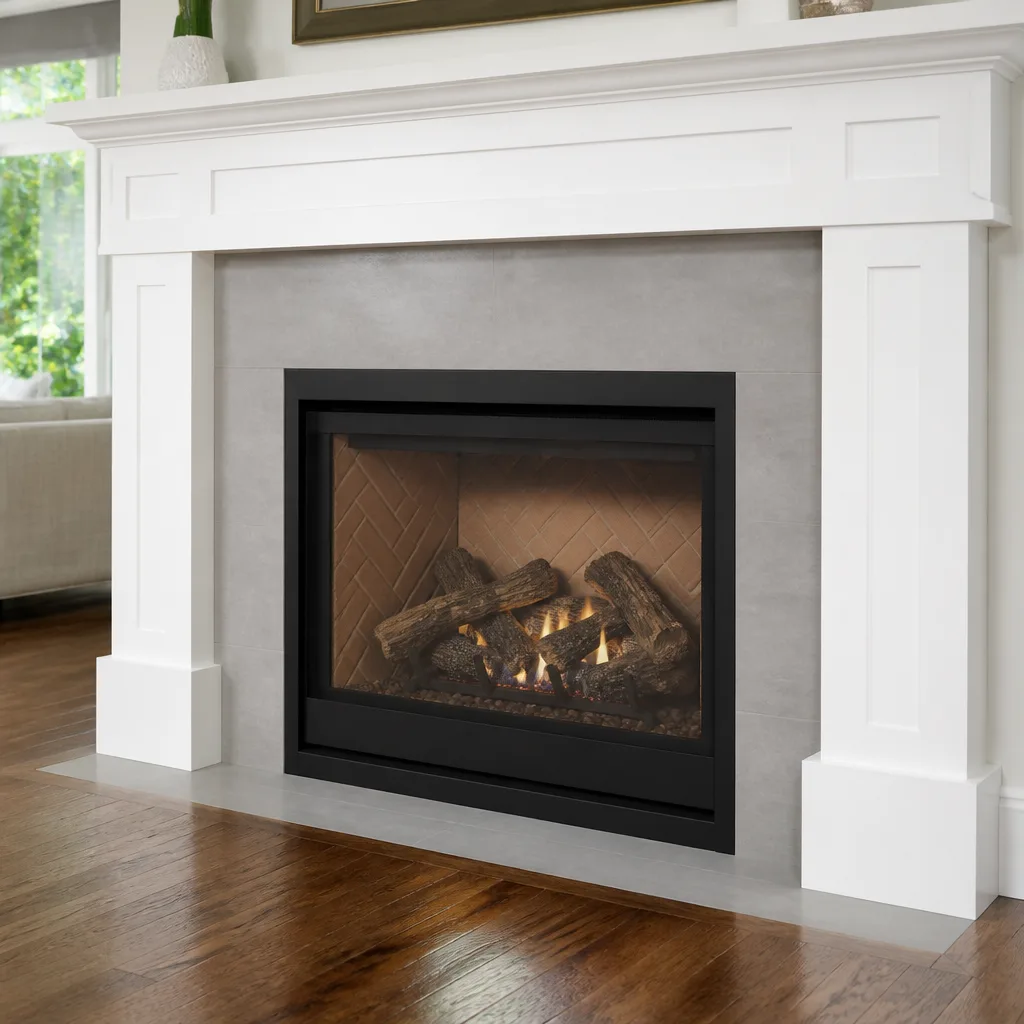 Gas fireplace service
Level 1 sweep and inspection to the NFPA 211 annual standard - flue, crown, cap, and flashing checked and photographed
Chimney sweep logs do not sweep chimneys. They loosen some creosote - which then falls where a brush and vacuum still have to collect it.
Why Fontana Homeowners Choose HeatShield Chimney Cleaning
We provide independent HeatShield in Fontana chimney cleaning, inspection, and repair service throughout Fontana, CA, for homeowners whose flues were lined or patched with HeatShield Cerfractory and HeatSeal products. Our crews work on HeatShield linings weekly, which means we can tell the difference between a lining that’s aging normally and one that’s actually failing, without selling you work you don’t need. Call (833) 805-3229 to schedule a HeatShield-specific inspection with someone who knows the product line.
HeatShield built its reputation on cast-in-place refractory liners that restore deteriorating clay tile flues without full demolition. That’s a real repair method, and when it’s done right, it extends the life of a chimney by decades. But here’s what most Fontana homeowners don’t hear from the sales pitch: HeatShield linings fail in predictable ways after years of Inland Empire heat cycling, and those failures show up differently than they do on a generic unlined flue. We sweep and evaluate these systems on houses from the 1950s tracts near the old Kaiser Steel site to the newer stucco subdivisions north of the 210, and we’ve learned exactly what to look for.
One thing up front, because we believe in straight answers: Ashwood Chimney Sweep is an independent HeatShield service provider. We are not authorized by, affiliated with, or endorsed by HeatShield. That’s not a weakness. It means when we tell you a HeatShield lining is still sound, you’re hearing it from someone with no incentive to re-coat it. When we tell you it’s failing, you can trust that too.
Why Trust Ashwood Chimney Sweep for Your HeatShield Chimney Cleaning?
Norm Castillo, our owner, grew up off Sierra Avenue in Fontana when the old Kaiser Steel mill still shaped this city’s work life. He studied HVAC and building systems at Chaffey College before spending close to two decades working on chimneys, flues, and venting across Fontana and the Inland Empire. When a HeatShield-lined flue comes up for service, he’s the one our techs call when the camera finds something that doesn’t match the textbook.
That matters because HeatShield work is not a generic sweep. You’re dealing with a cast-in-place ceramic lining that bonds to the original clay tile, plus sealant compounds that flex and shrink under heat. A technician who’s never touched the product line might clean it too aggressively, patch it with the wrong material, or miss early-stage spalling entirely. We’ve seen the aftereffects of all three. Our familiarity with HeatShield Cerfractory, HeatSeal joint compound, and the company’s resurfacing products means we service these flues the way they were designed to be serviced, not the way a sweep crew handles a bare clay tile chimney.
We also keep the right materials on hand. When a HeatShield in Rialto patch fails in Fontana, waiting two weeks for a specialty sealant to ship turns a small repair into a bigger problem. We stock genuine HeatShield refractory and sealant products for the common failure modes we see, which lets us diagnose and repair in the same visit more often than not. A clean flue isn’t a luxury. It’s just the job done right.
Styles & brands we work with
Common HeatShield Chimney Cleaning Problems We Fix in Fontana
Fontana’s climate punishes chimney linings. Summer days over 100°F bake the exterior masonry, winter cold snaps fire up the fireplace, and South Coast AQMD no-burn days force the system to sit idle for weeks at a time. That pattern, repeated year after year, is hard on any lining. On HeatShield systems, we see these five issues most often:
- Hairline cracking in Cerfractory linings from thermal cycling. HeatShield’s Cerfractory Flue Sealant is a cast-in-place refractory that expands and contracts with heat. In Fontana, where a flue can swing from 30°F on a January morning to several hundred degrees during an evening fire, that cycling eventually produces fine cracks. Most hairline cracks aren’t structural, but they let moisture sit in the liner. We camera-inspect these joint by joint rather than assuming every crack needs a full re-coat.
- HeatSeal patches pulling away from clay tile joints. HeatShield HeatSeal is a joint repair compound, and it’s good product. But it can dry-shrink over time, especially in Fontana’s low-humidity summers. When a patch pulls away from the original clay tile, creosote collects behind the gap and moisture finds its way in. The fix isn’t another layer on top. We grind out the failed patch, clean the joint properly, and re-bond with the matching HeatShield compound so the repair actually holds.
- Spalling near the smoke chamber. The smoke chamber sits right above the firebox and takes the most direct heat. On HeatShield Cerfractory-lined flues, this is where we most often find spalling, small chunks of the refractory surface breaking away. A camera run through the smoke chamber tells us whether it’s surface-level or structural. Surface spalling can be resurfaced. Structural loss means it’s time to talk about a full reline, not a patch.
- Cracked crowns letting water reach the refractory. A HeatShield lining bonds to the inside of the flue, but the crown on top is still masonry. Fontana gets roughly 14 inches of rain a year, and most of it falls in a few intense winter storms. A cracked crown directs water down between the clay tiles and the refractory, softening the liner from the top down. We rebuild crowns with proper overhang and a bond break, then re-evaluate the lining underneath to see what survived.
- Voids behind the lining from poor original installation. Not every HeatShield lining we see in Fontana was installed well. When a liner is cast on an oversized flue or applied without proper surface prep, it never fully bonds to the substrate. The void sits there, invisible from the firebox, until a Level 2 camera inspection finds it. This is why we never recommend a HeatShield service without first running a camera on the system. You need eyes on the actual bond, not a guess based on the fireplace opening.
HeatShield Parts & Our Repair-vs-Replace Approach
When a HeatShield lining needs repair, we reach for genuine HeatShield refractory and sealant products first. The chemistry matters. HeatShield’s Cerfractory is formulated to bond with the existing refractory, and using an off-brand or generic fireclay patch creates a weak point where the materials meet. The same goes for HeatSeal: patching a HeatShield joint with a generic caulk might fill the gap visually, but it won’t move with the tile the way the OEM compound does. That’s how you end up re-doing the same joint every other year.
We’re also honest about when a HeatShield repair is the wrong move. If the camera shows a lining that has lost structural integrity, if there are large sections of spalled refractory, or if the original bond was poor from the start, we’ll tell you a full reline is the better investment. In those cases, we install DuraFlex stainless steel liner systems as our primary replacement option. Stainless steel doesn’t crack, doesn’t spall, and doesn’t care about thermal cycling the way a ceramic lining does. It costs more up front, but it’s the right call for a flue that HeatShield can’t save.
For caps, we use HeatShield premium fireplace chimney caps when the existing cap is serviceable and the priority is keeping water out of the flue. When a Fontana home needs a more robust cap for Santa Ana wind conditions or a custom fit, we source from Copperfield or Olympia Chimney. The cap choice depends on the house, the exposure, and how the flue is used.
If you’re wondering which path applies to your chimney, call (833) 805-3229 and we’ll get a camera in there. You’ll see the evidence for yourself before you spend a dollar on repair.
Our HeatShield Service Process – Step by Step
Every HeatShield job we do in Fontana follows the same sequence, whether it’s a simple sweep or a crown rebuild over a lined flue. Here’s what to expect:
- 1
Camera-first diagnosis. Before we sweep, before we quote, we run a Level 2 camera inspection from the firebox to the crown. On a HeatShield system, we’re specifically looking at bond integrity, joint condition, hairline cracking, spalling, and any signs of moisture penetration from the top. You’ll see the footage yourself. We don’t ask you to take our word on a lining’s condition.
- 2
Sweep to remove creosote and soot. HeatShield linings are ceramic, and ceramic surfaces can be scratched or gouged by the wrong brush. We use brushes appropriate for cast-in-place refractory, and we sweep before any repair work so we’re bonding to clean substrate, not creosote. In Fontana’s older tracts, where fireplaces sat unused through AQMD no-burn stretches, that hardened creosote sometimes needs a couple of passes before the surface is clean enough to evaluate.
- 3
Joint-by-joint repair or full reline decision. Once the flue is clean, we go back through the camera footage and mark every joint and crack. Hairline cracks get documented and monitored. Failed HeatSeal patches get ground out and re-bonded with the matching HeatShield compound. Spalled sections get resurfaced with HeatShield resurfacing material. If what we find is beyond repair, we tell you plainly and walk you through a stainless reline option.
- 4
Crown and cap addressed in the same call. A HeatShield lining is only as good as the crown above it. If the crown is cracked, we rebuild it with proper materials and overhang so water stops working down into the refractory. If the cap is rusted or missing, we replace it with a cap sized to the flue. This is the step most sweep-only companies skip, and it’s usually where the water damage starts.
- 5
Post-repair camera verification. We run the camera again after the repair so you can see the bonded joints, the clean flue, and the integrity of the lining. You get the footage. You also get a straight answer on how many years we expect the repair to hold, given how you use the fireplace and the conditions your chimney faces in Fontana.
See the difference
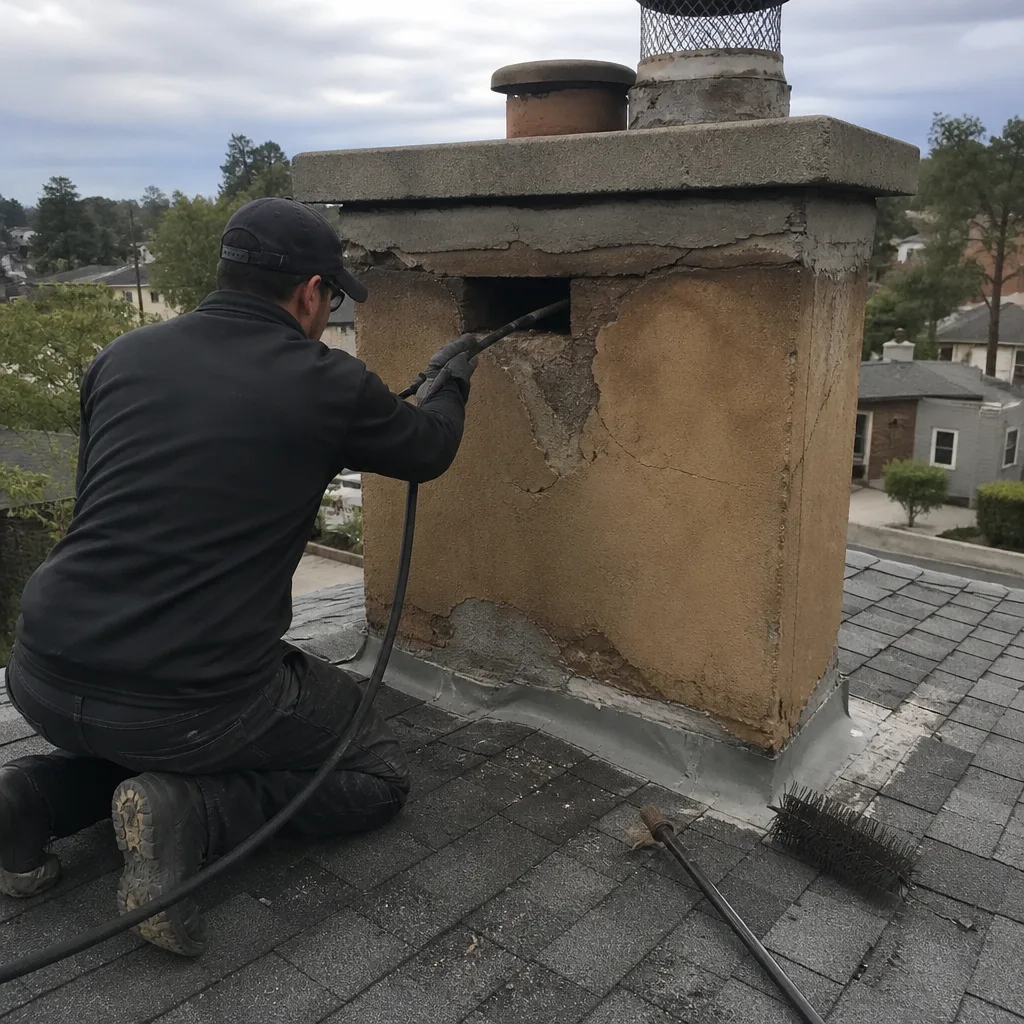 Before
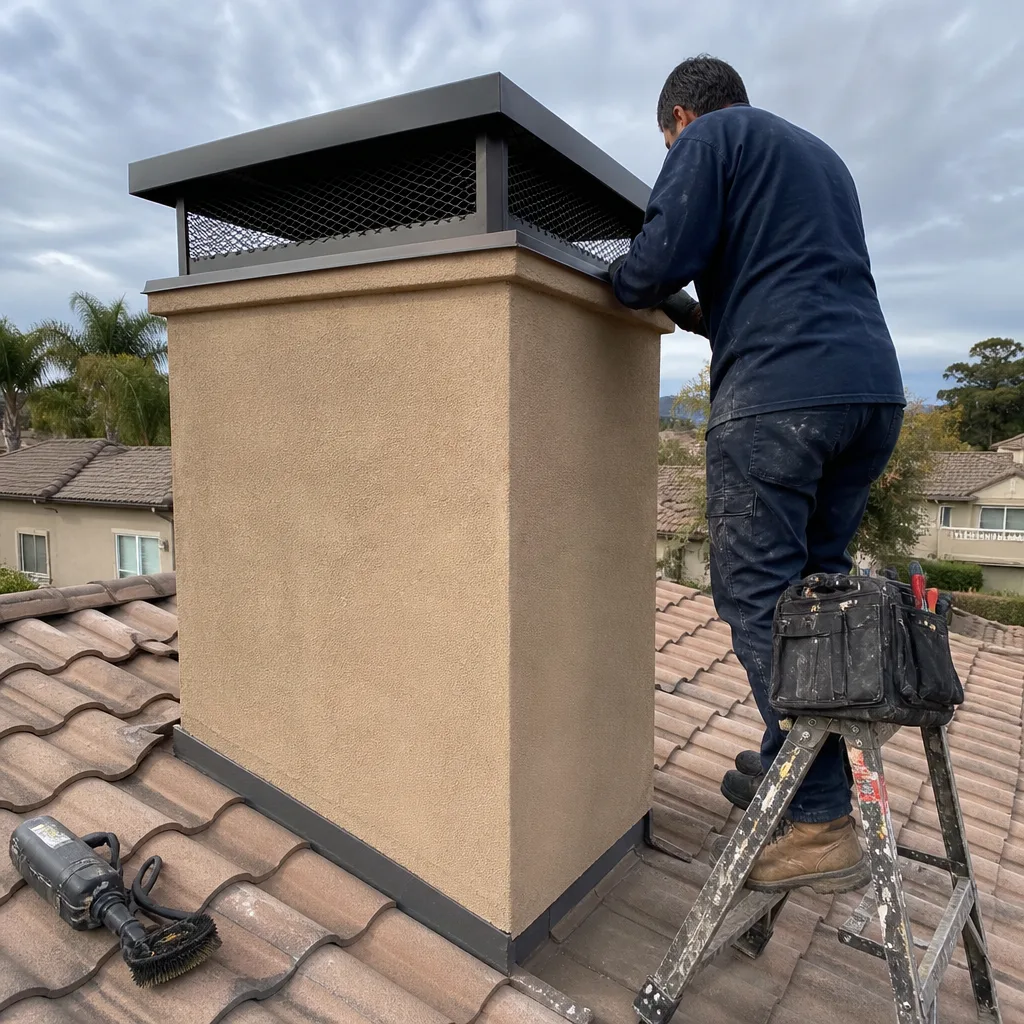 After
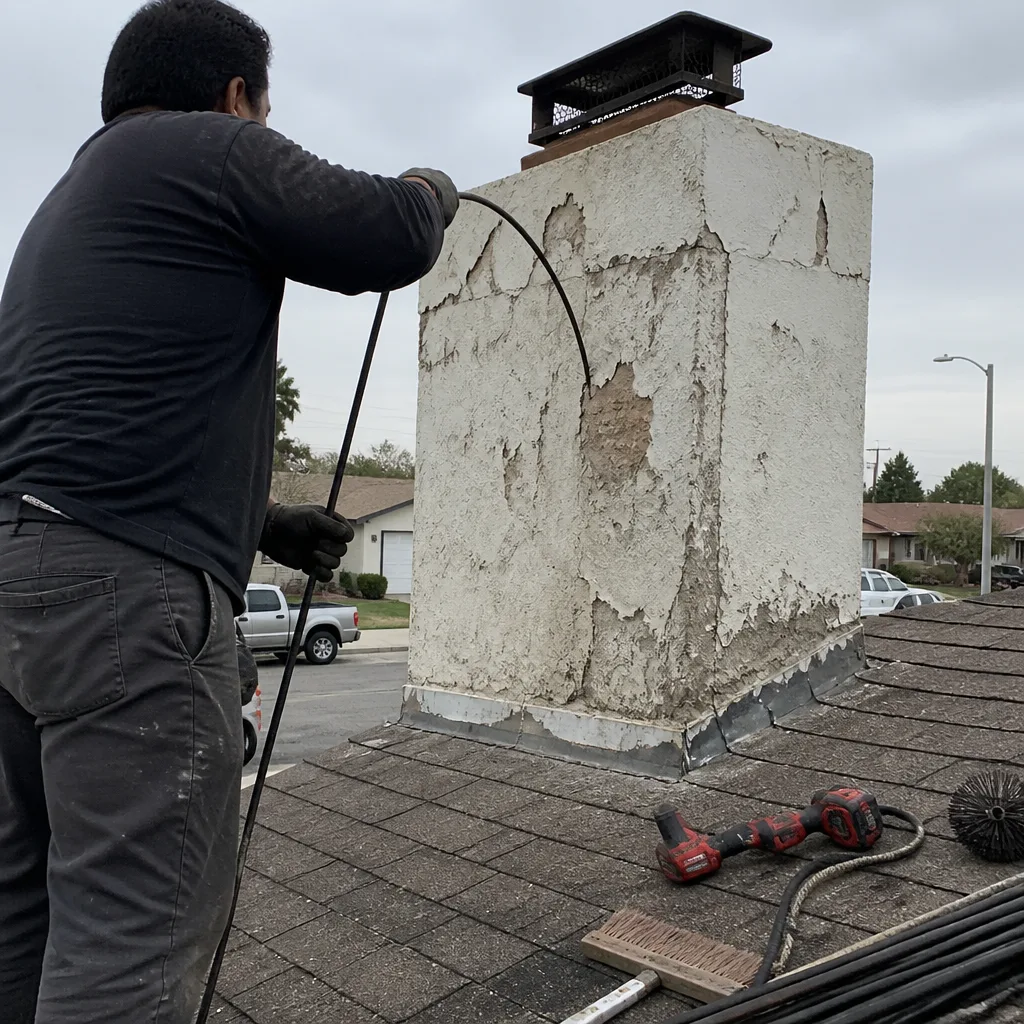 Before
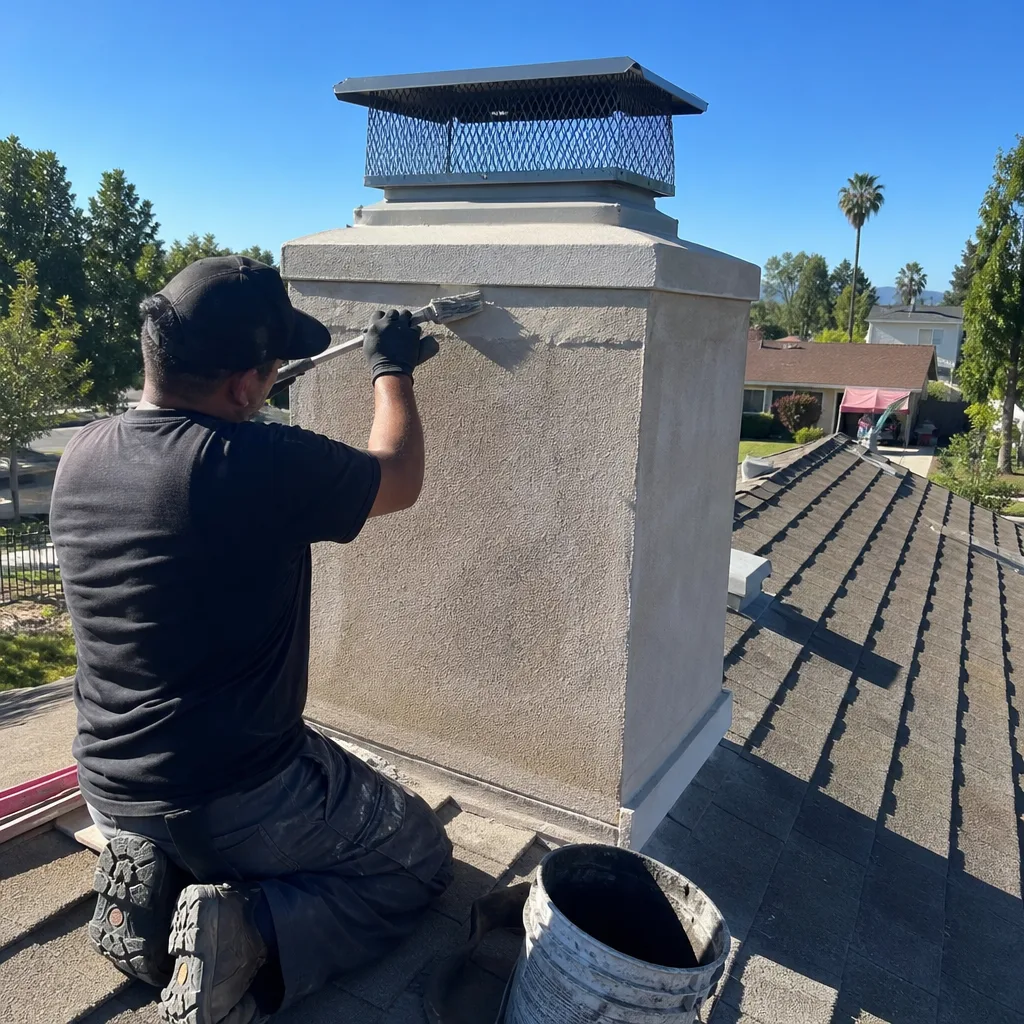 After
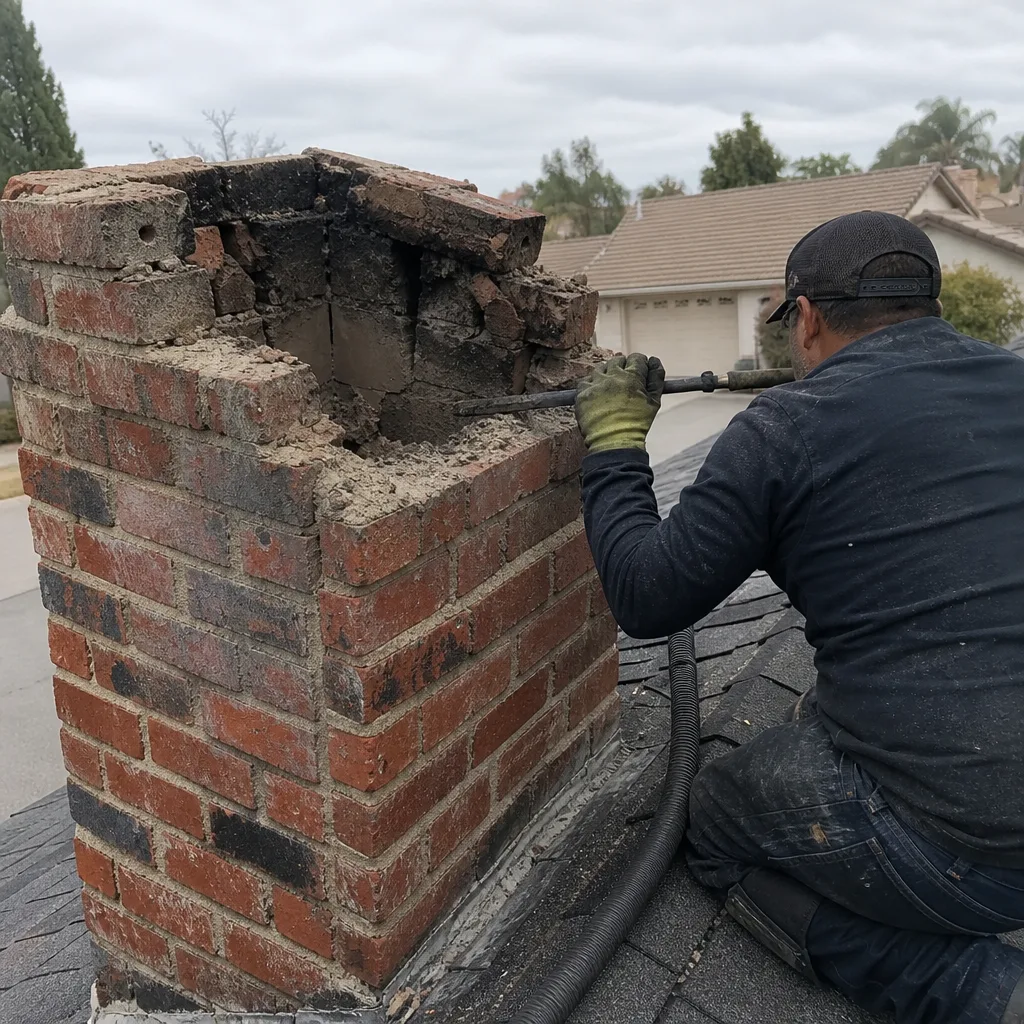 Before
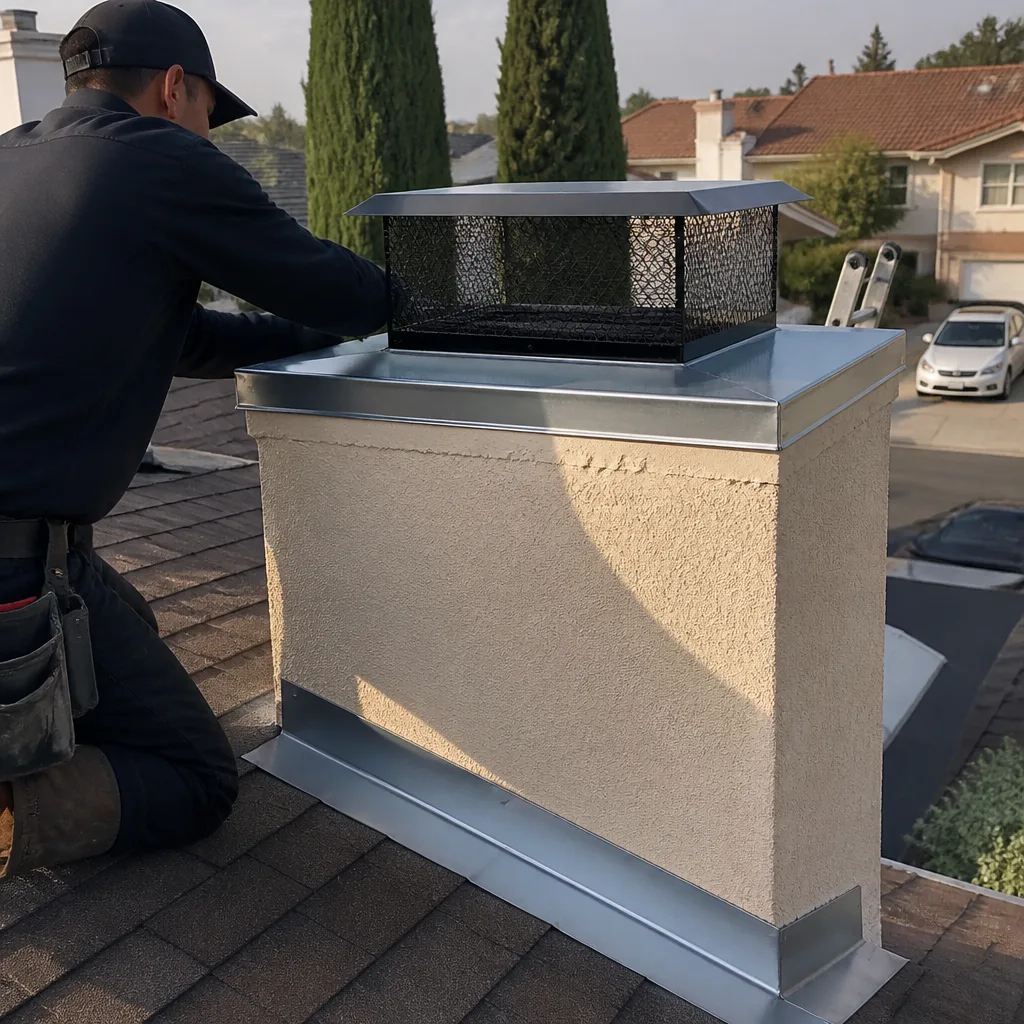 After
HeatShield Products We Service & Install in Fontana
We work across the HeatShield product line, and we stock the materials most often needed for Fontana-area repair work. Specifically:
- HeatShield Cerfractory Flue Sealant: the cast-in-place lining system used to restore deteriorating clay tile flues. We service existing Cerfractory linings and can apply the system where the flue is a good candidate.
- HeatShield HeatSeal joint repair compound: the joint-specific sealant used for repairing failed mortar joints between clay tiles. We stock it for same-visit repairs.
- HeatShield Resurfacing and Pourable repair products: for spalled refractory areas and thin resurfacing applications on otherwise sound linings.
- HeatShield premium fireplace chimney caps: we install and service these caps on lined and unlined flues throughout the Fontana area.
If you’re not sure which HeatShield product was used on your chimney, that’s fine. The camera will tell us. What matters is that we know how each one behaves under fire, and we know what to do when it doesn’t.
We Also Service These Brands
HeatShield in Glen Avon isn’t the only name we work with. We stock and install DuraFlex stainless steel liner systems when a full reline is the right call, and we use Gelco chimney products for specific repair and maintenance applications. Being multi-brand means we recommend what the flue actually needs, not just what we happen to sell. A HeatShield lining in good shape stays. One that’s lost structural integrity gets replaced with stainless, not patched for the fifth time.
FAQs – HeatShield Chimney Cleaning Service in Fontana
Yes, in many cases. A HeatShield Cerfractory lining with hairline cracks or surface spalling can often be resurfaced with HeatShield’s own repair products, bonded and functional for years to come. Failed HeatSeal joints can be ground out and re-bonded with matching compound. The decision comes down to what the camera shows: surface damage is repairable, structural loss is not. If the refractory has lost its bond to the underlying tile across large sections, or if the spalling has thinned the lining to the point it can’t contain heat properly, a full reline is the only honest recommendation. Call (833) 805-3229 and we’ll show you exactly which situation you’re in.
Because the patch wasn’t done with the right material, or the joint wasn’t cleaned properly before bonding, or both. HeatShield HeatSeal is a specific compound formulated to flex with the thermal movement of clay tile joints. If a previous contractor used a generic high-temp caulk or fireclay patch, it will dry-shrink and pull away within a season or two, especially in Fontana’s hot, dry conditions. The fix is to grind out the old patch completely, clean the joint to bare tile, and re-bond with genuine HeatShield HeatSeal. We do this repair regularly, and done correctly, it holds.
Yes, with a caveat. HeatShield Cerfractory is a ceramic surface, which means it can be scratched or gouged by an aggressive mechanical brush, especially the wire brushes some sweep crews still use. We use brushes suited to refractory linings and adjust our sweeping approach based on what the camera shows before we start. The goal is to remove creosote and soot without damaging the lining surface, because even small scratches create places for moisture and creosote to collect. If the flue hasn’t been cleaned in years and the creosote has glazed, we’ll mention it before we start so you know the lining will need a gentler, possibly slower approach. The protection of the lining is the priority. A routine sweep with the wrong brush does more harm than good.
Over time, yes. A cracked crown lets water run down between the flue tiles and the refractory liner during Fontana’s winter rain events. That water softens the refractory from above, leading to spalling and bond failure that starts at the top and works down. The lining itself might still be sound when we find the crack, but every rainy season gives the damage another push. We rebuild cracked crowns with proper overhang and expansion joints, typically in the same visit as the liner evaluation. If your crown is cracked, don’t wait for the next rain to see what happens. Call (833) 805-3229 and we’ll get it fixed before the next storm cycle.
You need a Level 2 inspection if any of these apply: the fireplace hasn’t been used in years and you’re about to start burning again, you’ve noticed white or chalky material falling into the firebox, there’s water staining on the ceiling or walls near the chimney, you had a chimney fire at any point, or you’re buying or selling the home. The telltale sign for HeatShield systems specifically is a fine, sandy material accumulating in the firebox or smoke chamber. That’s spalled refractory, and it means the liner is actively shedding material. If you see that, stop using the fireplace and call (833) 805-3229. We’ll run the camera and tell you exactly what’s happening.
A HeatShield repair in Bloomington or Fontana chimney cleaning with a Level 1 visual inspection in Fontana typically runs $180 to $340, depending on flue height, creosote buildup, and access. A Level 2 camera inspection, which we recommend for any HeatShield system that hasn’t been evaluated in the last few years, adds $100 to $250. Repair work ranges widely. A single HeatSeal joint repair might be a few hundred dollars, while resurfacing a spalled section or rebuilding a crown costs more. Full stainless relines start higher and depend on the flue configuration. We quote flat prices before any work begins, so you’ll know the number before we touch the chimney. Call (833) 805-3229 for an exact quote. Estimates are free.
Book Your HeatShield Service in Fontana, CA
If you have a HeatShield-lined flue in Fontana, or you’re not sure and want a straight answer, call us at (833) 805-3229. We’ll schedule a camera inspection, show you the footage, and tell you honestly whether the lining has years left or needs work. No upsell, no scare tactics. Just the job done right.
Written by Norm Castillo, Owner at Ashwood Chimney Sweep, serving Fontana and the Inland Empire since 2005.