
Last updated October 30, 2026
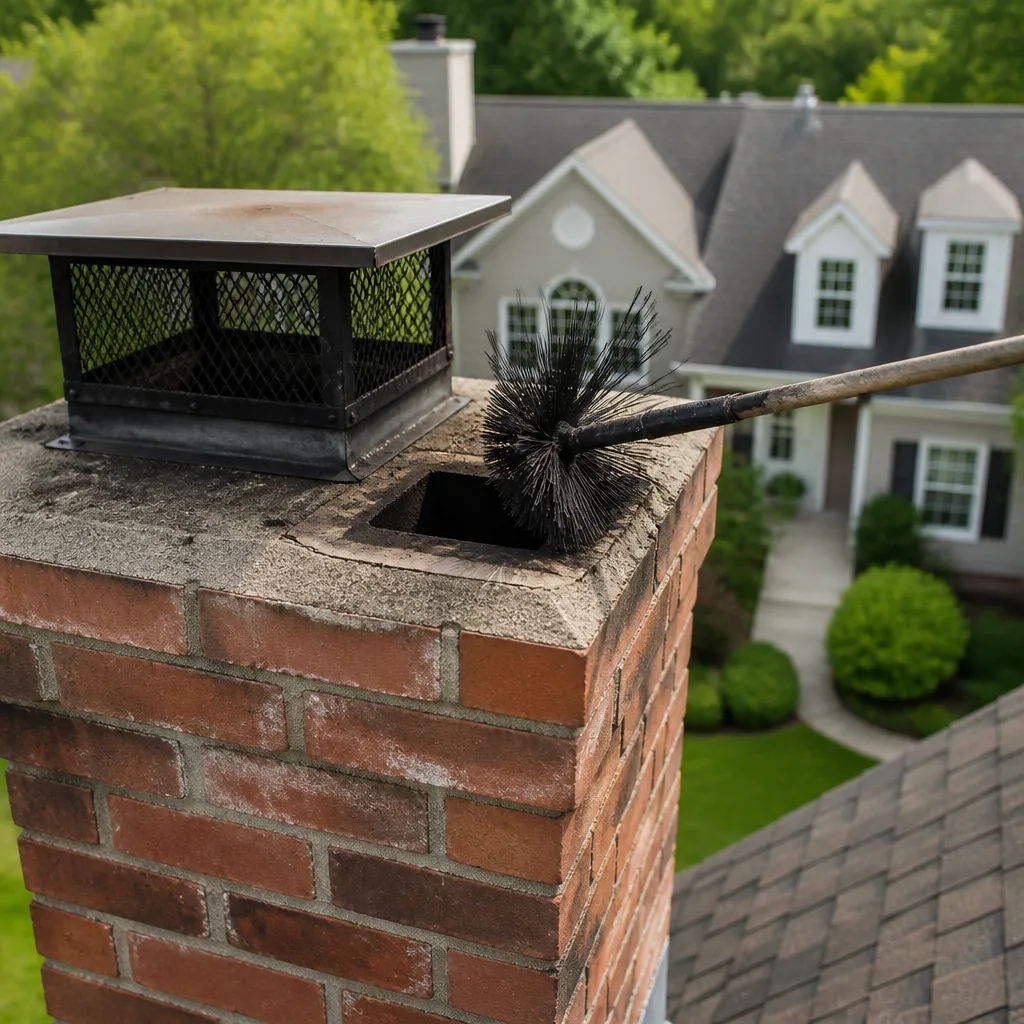 Sweep & inspection
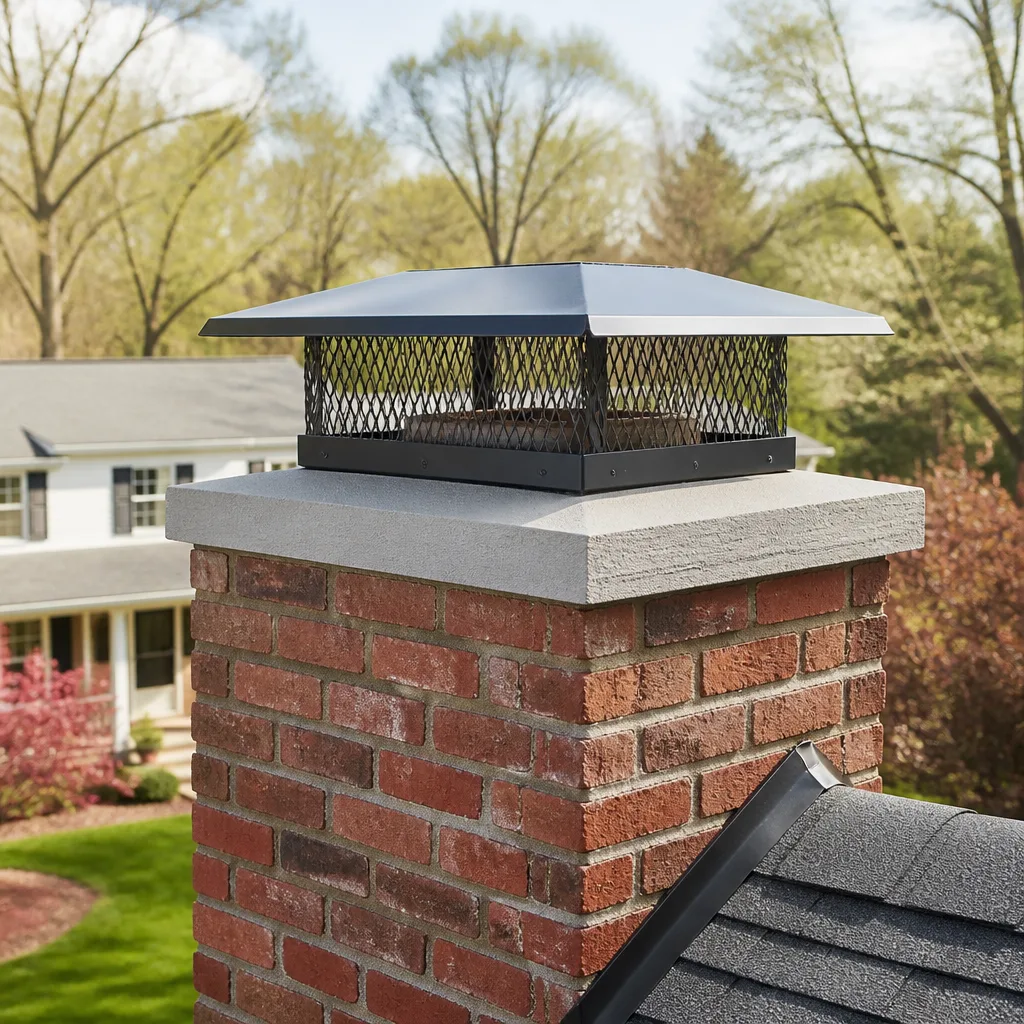 Caps & crowns
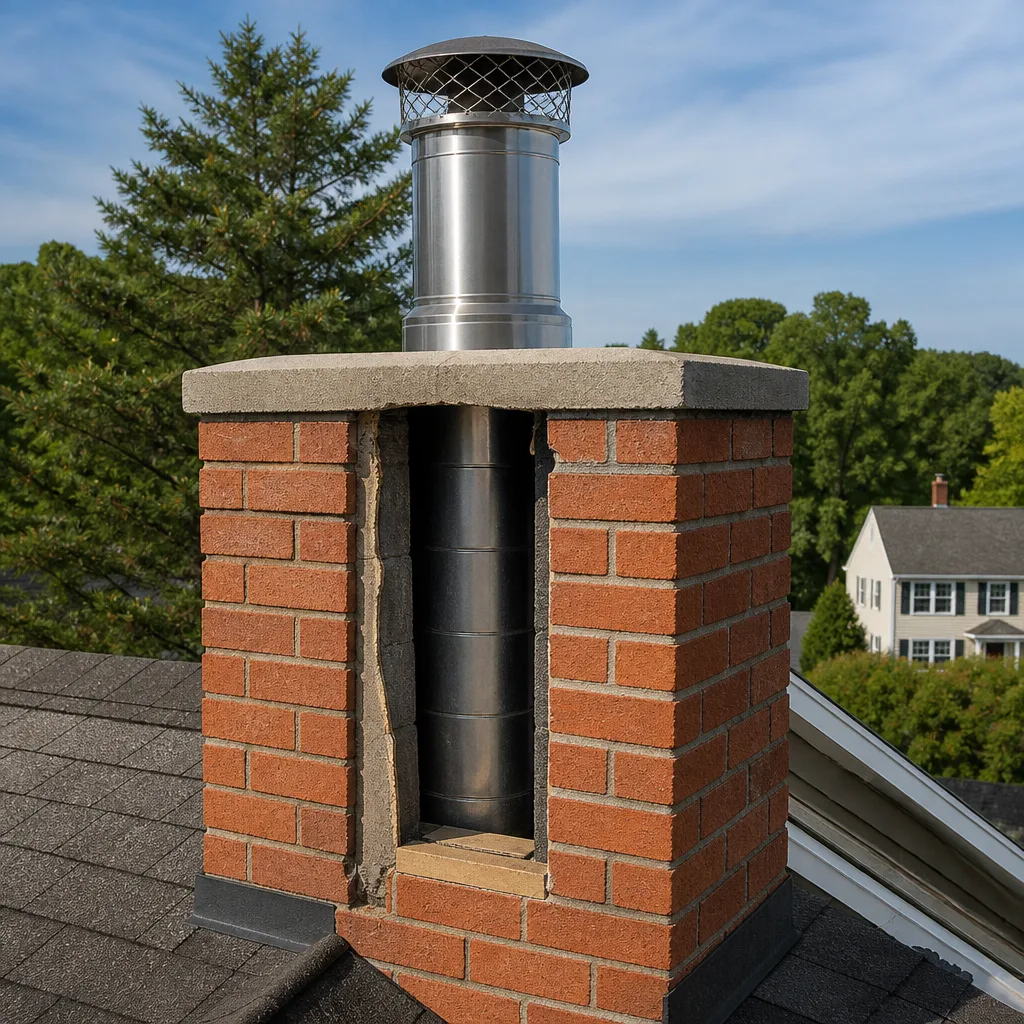 Flue relining
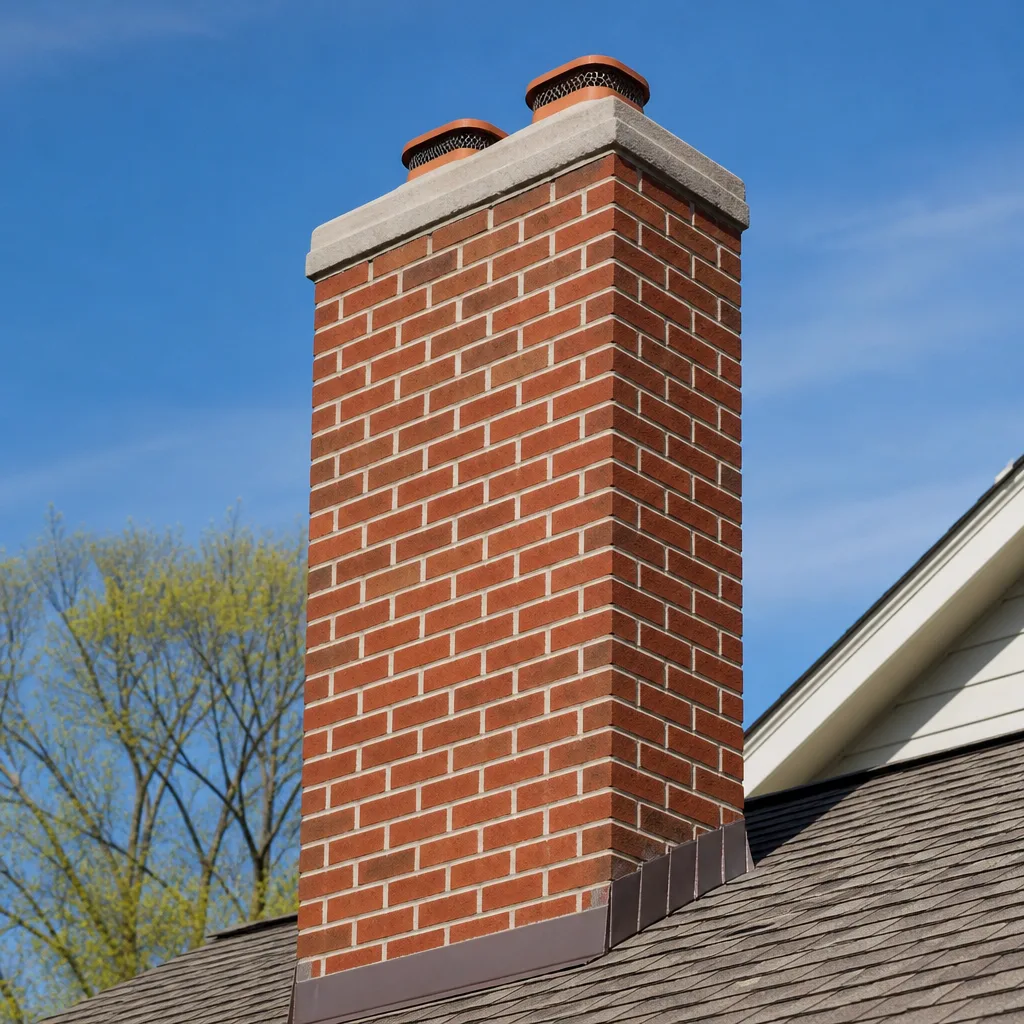 Masonry repair
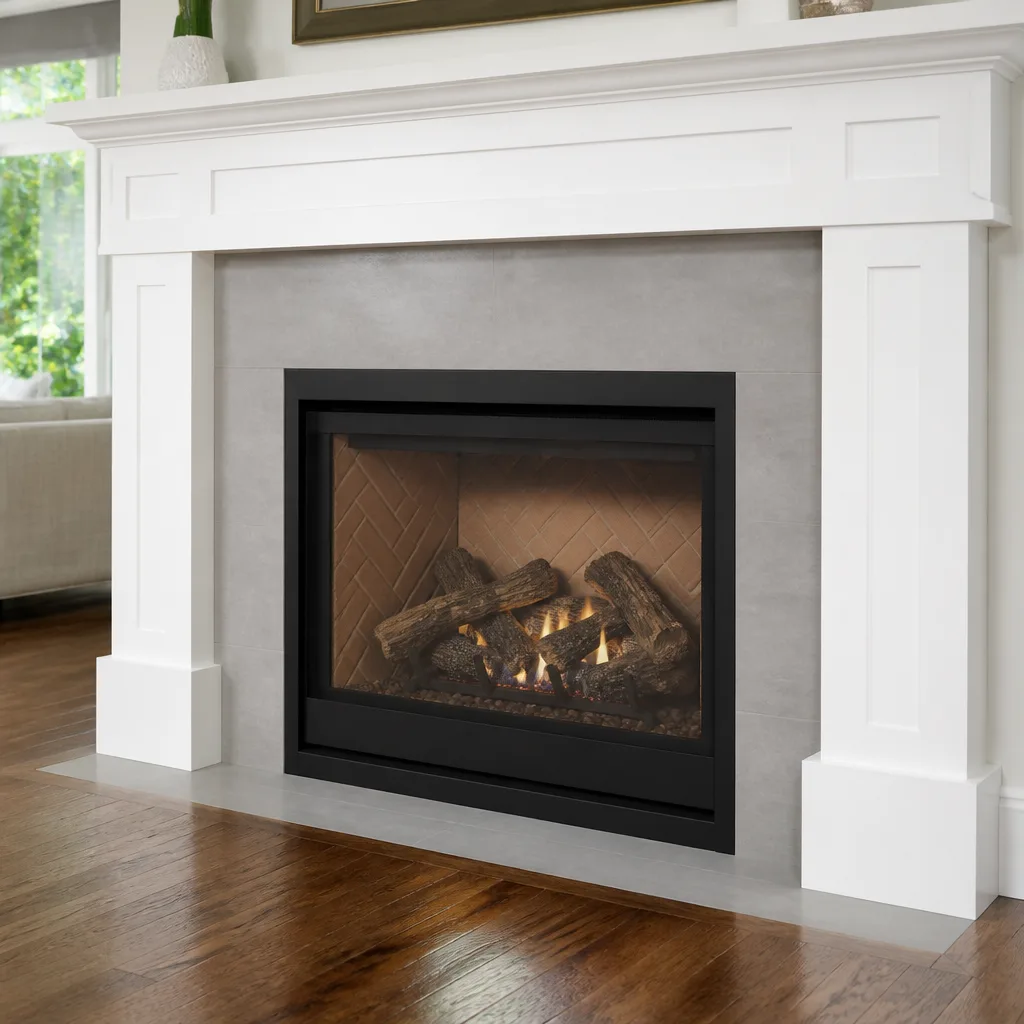 Gas fireplace service
Level 1 sweep and inspection to the NFPA 211 annual standard - flue, crown, cap, and flashing checked and photographed
Chimney sweep logs do not sweep chimneys. They loosen some creosote - which then falls where a brush and vacuum still have to collect it.
Chimney Sweep Maintenance Checklist for Fontana Homeowners
The chimney that gets used six times a year is often in worse shape than one used sixty times. That’s the quiet reality of home maintenance in Fontana, where fireplaces sit dormant through long warm stretches, and the real threats aren’t heavy creosote buildup from nightly fires – they’re moisture intrusion, pest nesting, and deterioration that happens precisely because nothing is moving through the flue. This guide walks you through a maintenance checklist calibrated for Fontana’s climate and usage patterns, not a one-size-fits-all list copied from some Vermont lodge. You’ll learn what you can safely check yourself, what requires a professional’s instruments, and how to keep records that hold up for insurance and resale.
Quick Answer
A Fontana chimney maintenance checklist should cover: visual inspection of the exterior masonry and cap, checking for animal intrusion and nesting materials, verifying the damper opens and closes properly, confirming no flue obstructions from debris or deteriorated liner material, testing gas fireplace pilots and burners if applicable, and annual our Chimney Sweep services with a camera inspection before burning season. Homeowners can safely perform the exterior and visible checks, but flue condition, liner integrity, and hidden blockages require professional-grade cameras and tools.
Styles & brands we work with
Table of Contents
- Why Fontana’s Climate Creates Different Maintenance Needs
- The Homeowner’s Visual Checklist: What You Can Safely Inspect
- The Professional Checklist: What Requires Tools and Cameras
- Gas Fireplace and Insert Maintenance Most Lists Skip
- Why Inspection Comes Before Cleaning, Not After
- Animal Intrusion in Fontana: Signs and Carbon Monoxide Risks
- Record-Keeping Template for Insurance and Resale
Why Fontana’s Climate Creates Different Maintenance Needs
A maintenance checklist built for a cold-climate home assumes the chimney works hard all winter and rests all summer. Fontana inverts that equation. Our fireplaces sit unused for months at a stretch through spring, summer, and early fall, then get pressed into service during the short cold snaps that hit the Inland Empire between November and February. That pattern creates a specific set of failure points, and they’re almost all related to inactivity rather than overuse.
Creosote accumulation happens more slowly here than in places where fires burn daily for five months straight. But what we see in Fontana chimneys is different: crumbling mortar joints from thermal cycling, rusted dampers that seize in place, spalled flue liners where moisture has soaked in and frozen during rare cold nights, and animal nests that sit undisturbed for months. When you light the first fire of the season in a chimney that’s been dormant since February, every one of those problems announces itself at once – often with smoke backing into the living room or a carbon monoxide detector going off at 2 a.m.
The maintenance schedule that works for Fontana is built around two annual events: a pre-season inspection in September or early October, before the first cold night, and a post-season sweep in March or April, after the last fire. That post-season cleaning matters more than most homeowners realize. A chimney that gets swept in spring sits clean and dry through the summer instead of holding a season’s worth of creosote and ash that absorbs moisture and attacks the masonry for six months.
Santa Ana winds add another layer. When those dry northeast winds blow through the foothills around Fontana, they create negative pressure inside homes and can pull air down through a chimney instead of up. A chimney with any obstruction or damaged cap becomes a highway for embers, dust, and whatever else is drifting through the air. The same winds expose cap damage faster than anything else we encounter, because they hit the chimney stack broadside with enough force to shift a loose cap or crack a crown that was already compromised.
The Homeowner’s Visual Checklist: What You Can Safely Inspect
This is the part of chimney maintenance you can do yourself in about twenty minutes, twice a year. It doesn’t require tools beyond a flashlight and a pair of binoculars if you don’t want to climb a ladder. None of it replaces a professional inspection, but it catches early warning signs that tell you when to make the call before a problem becomes structural. For more guides & resources, see our blog.
Here’s the Fontana homeowner’s standing checklist, in order of importance:
- Check the chimney cap from the ground. Look for a cap that’s tilted, missing sections, or has visible rust. The cap is your first line of defense against rain, birds, and embers. Fontana’s dry summers don’t stress it much, but winter rain and Santa Ana winds take a toll. A missing cap on an unused chimney is an open invitation to nesting birds and rodents.
- Look at the crown (the concrete slab at the top of the chimney). Use binoculars. Cracks wider than a pencil line mean water is getting into the masonry, and every wet-dry cycle widens those cracks. Fontana’s occasional hard rains followed by hot sun do more damage than consistent moisture would, because the expansion and contraction works the cracks like a wedge.
- Shine a flashlight up from the firebox. Open the damper and look up. You’re checking for three things: visible obstructions, falling debris (flakes of liner material or mortar), and daylight that shouldn’t be there around the damper edges. Falling debris is a serious warning sign – it means the flue liner is deteriorating and material is coming loose inside the chimney.
- Check the damper movement. Work the damper handle through its full range. It should open and close with firm resistance but without grinding or sticking. A damper that won’t fully close wastes conditioned air year-round, and one that won’t fully open makes burning unsafe. Dampers in Fontana homes rust and seize more often than they wear out from use, because moisture from occasional rain plus long idle periods creates the perfect conditions for corrosion.
- Inspect the firebox walls. Look for cracked firebrick, missing mortar joints, or white staining (efflorescence) on the masonry. Efflorescence means water is moving through the brick and leaving mineral deposits behind. It’s cosmetic by itself, but it’s a moisture problem that will eventually become a structural one.
- Check the exterior masonry from the ground. Walk around the chimney and look for vertical cracks, bulges, missing mortar, or areas that look darker than the surrounding brick (moisture retention). Pay special attention to the joint where the chimney meets the roofline – that flashing is the most common water entry point we repair in Fontana homes built before 1990.
Mark anything you find on the record-keeping template in the section below. A note like “damper sticks halfway, checked April 2025” gives a professional useful context when they arrive, and it builds the documentation trail that helps with insurance claims if something fails later.
The Professional Checklist: What Requires Tools and Cameras
Some parts of a chimney you simply cannot see without the right equipment, and guessing at their condition is how small problems become expensive ones. Chimney Sweep in Fontana work always includes inspection, but the inspection is only as good as the tools used to perform it. A chimney swept without a camera inspection is like a doctor prescribing treatment without looking at the X-ray.
Here’s what a professional inspection covers that a homeowner’s visual check cannot:
- Flue liner condition throughout its full length. A camera run through the flue reveals cracked clay tiles, deteriorated mortar joints between liner sections, spalled surfaces, and liner sections that have shifted out of alignment. These conditions are invisible from either end without a camera. In Fontana homes built in the 1970s through 1990s, cracked clay liners are among the most common findings we see – the original liners were installed without proper clearances or have simply reached the end of their material lifespan.
- Creosote thickness and type. Creosote comes in three stages, from flaky soot to sticky tar to hard glaze. Each requires different removal methods, and the hard glaze form often requires chemical treatment or rotary tools rather than standard brushes. A professional measures the thickness and identifies the type before choosing an approach.
- Hidden blockages and partial obstructions. A small animal carcass, a bird nest that’s partially collapsed, or a section of liner that’s fallen inward may not be visible from below with a flashlight. Blockages don’t have to be complete to cause problems – a flue narrowed by 30% still drafts, but not well enough to safely clear combustion gases.
- Flue sizing and clearance verification. The flue needs to match the appliance it serves. A wood stove connected to an oversized flue cools the gases too quickly and creates condensation problems. An undersized flue creates backdrafting risk. These measurements require instruments, not eyeballing.
- Smoke chamber condition. The smoke chamber sits above the firebox and below the flue, and it’s where smoke funnels before entering the flue. It’s one of the most overlooked components in residential chimneys. Cracks, gaps, and rough corbeled masonry in the smoke chamber create performance problems and fire risks that a camera inspection reveals clearly.
When our technicians perform a professional sweep and inspection in Fontana, they follow the process outlined in our Chimney Sweep Troubleshooting: Common Problems and How to Fix Them, documenting everything with camera footage and a written report. That report becomes your baseline for tracking changes year over year, and it’s what allows a repair recommendation to be verified visually rather than taken on a technician’s word.
Gas Fireplace and Insert Maintenance Most Lists Skip
Gas fireplaces feel maintenance-free compared to wood-burning ones, and that feeling is dangerous. They still vent combustion gases, still have components that wear, still get dusty and dirty, and still develop problems that can put carbon monoxide into your home. If you have a gas fireplace or insert in Fontana, your maintenance checklist needs these items added to it:
- Check the glass front for cracks or seal failure. A cracked glass panel on a direct-vent gas fireplace isn’t just a cosmetic issue – the glass is part of the sealed combustion system. A crack lets room air into the combustion chamber and can allow exhaust gases out. Replace cracked glass immediately, and if you see condensation between panes, the seal has failed.
- Inspect the pilot flame color and behavior. Remove the lower access panel (with the unit off and cool) and look at the pilot. It should burn steady and blue with a small yellow tip. A pilot that’s flickering, mostly yellow, or that won’t stay lit indicates soot buildup on the thermopile, a dirty pilot orifice, or a ventilation problem. These are not things to ignore – a weak pilot can fail to ignite the burner safely or signal incomplete combustion.
- Check the burner and ceramic logs for soot buildup. Yellow flames on the main burner, soot on the ceramic logs, or a gas smell when the unit runs are signs of incomplete combustion. The cause is often a dirty burner or improperly positioned logs, both of which require service from a technician who works on gas appliances. Do not try to clean the burner with household cleaners or compressed air – this is a job for proper service tools.
- Verify the vent termination outside is clear. Walk outside and find where the direct vent or B-vent terminates on the exterior wall or roof. Clear away leaves, debris, spider webs, and any nesting materials from the vent cap. Clogged or blocked vent terminations are a leading cause of carbon monoxide issues in gas fireplaces, and they’re especially common in Fontana because spiders and mud daubers build in the vents during the long idle season.
- Test the carbon monoxide detector. This belongs on every Fontana homeowner’s list regardless of fuel type, but gas appliance homes need it most. Press the test button monthly during burning season, and replace the unit every seven years. A working CO detector in the hallway outside the bedrooms is the difference between waking up and not waking up.
- Check the wall switch or remote control battery. This sounds trivial, but it’s the most common reason gas fireplaces won’t light in Fontana. The switch relies on low-voltage wiring from the gas valve, and the control module needs functioning batteries or power. Replace remote batteries at the start of each season, and if the fireplace won’t respond to the switch, check for a dead battery in the receiver before assuming the gas valve has failed.
Gas fireplace service is part of what we handle under the Ashwood Chimney Sweep home services umbrella. A gas insert needs its vent system inspected and swept just like a wood-burning flue does, because the soot from gas combustion is acidic and corrodes metal flue liners over time.
Why Inspection Comes Before Cleaning, Not After
Here’s a fact that surprises most Fontana homeowners: a chimney should be inspected before it’s swept, not after. The order matters more than it seems, and it changes what the technician looks for during the entire visit.
When you sweep first, the brush work knocks down creosote, soot, and debris, but it also disturbs everything else in the flue. If there’s a cracked liner section, sweeping can dislodge the fractured pieces and move them around. If there’s a bird nest tucked into a corner of the smoke chamber, the brush pulls it down and scatters the material. If there’s a section of flue liner that’s already broken, sweeping can worsen it – and then no one can tell what the flue looked like before the brush did its work.
When you inspect first with a camera, the technician sees the flue in its undisturbed state. They see the crack before the brush touches it, the nest before it’s yanked down, the water stain before soot covers it. That matters because the inspection report becomes an accurate baseline, not a description of what the flue looked like after cleaning.
The correct sequence is: visual inspection, camera inspection, written assessment, then cleaning, then a final visual confirmation that the flue is clear. Any contractor who skips the pre-clean inspection is working blind, and any recommendation they make after the sweep is based on disturbed evidence.
This is why Chimney Repair in Fontana recommendations from our team always reference camera footage from before the cleaning, not after. If we tell you the liner needs attention, we can show you exactly what we saw, frame by frame, and explain why the cleaning didn’t cause it. That’s the difference between a trustworthy assessment and a sales pitch, and it’s the standard every Fontana homeowner should expect.
Animal Intrusion in Fontana: Signs and Carbon Monoxide Risks
Fontana sits in a territory that’s home to a long list of animals that see your chimney as prime real estate: raccoons, squirrels, roof rats, birds, bats, and the occasional opossum. The long idle period between spring and fall gives them months of undisturbed access, and a missing or damaged chimney cap turns an unused flue into a sheltered nesting cavity.
The signs of animal intrusion are usually visible to a homeowner paying attention:
- Scratching or chirping sounds coming from behind the fireplace wall, especially at dawn and dusk when raccoons and squirrels are most active
- Droppings at the base of the firebox or visible on the smoke shelf when you shine a light up
- Twigs, leaves, and dried grass built up on the smoke shelf, which you can see by opening the damper and shining a flashlight at an angle
- An odor that’s musty or animal-like, especially on humid days when the flue draws air downward into the house
- Flies or insects appearing inexplicably around the firebox, which often indicate a dead animal somewhere in the flue or smoke chamber
Nesting materials aren’t just a nuisance – they’re a carbon monoxide risk. A squirrel nest built on the smoke shelf or inside the flue narrows the passage for combustion gases. The fire still burns, the damper is still open, but the exhaust doesn’t draft properly because the flue’s effective diameter has been reduced. The gases back up into the home instead of venting outside. This is how carbon monoxide poisoning happens in homes where the fireplace has “always worked fine.”
Raccoon mothers are a separate concern. A raccoon that gives birth on a smoke shelf in spring will defend that nest aggressively, and physically removing a mother raccoon with kits requires professional wildlife handling – not a do-it-yourself attempt with a broom. If you hear heavy, low growling sounds or kitten-like cries from the chimney, close the damper, do not light a fire, and call both a chimney professional and a wildlife removal service.
The prevention is straightforward and cheap: confirm the chimney cap is intact and properly sized for the flue, with mesh screens fine enough to exclude squirrels and birds but not so fine they clog with creosote. Stainless steel caps hold up to Fontana’s sun and Santa Ana winds far better than the painted steel caps installed by many home builders. See our guide on Choosing the Right Chimney Cleaning Brand: A Buyer’s Guide for Fontana for cap and component recommendations.
Record-Keeping Template for Insurance and Resale
Most homeowners don’t keep chimney maintenance records, and then they’re stuck when an insurance adjuster asks for proof that the fire was properly maintained, or when a home inspector flags the chimney during a sale and the seller has no documentation to answer it with. Fontana’s real estate market moves fast, and homes with documented maintenance histories sell with fewer repair credits demanded at closing.
Here’s a simple record-keeping template. Enter each service and inspection into a spreadsheet, a notebook, or the notes app on your phone – the format matters less than the consistency:
- Date of service: (contractor name, technician name if noted)
- Type of service: (annual sweep, camera inspection, repair, liner restoration, cap replacement, gas fireplace service)
- Findings: (creosote depth and type, liner condition notes, animal intrusion evidence, moisture damage, damper issues)
- Work performed: (what the technician actually did, with product names where applicable – e.g., “HeatShield liner restoration applied to smoke chamber,” “DuraFlex stainless liner installed”)
- Recommendations: (what the technician flagged for future attention, with timeframes)
- Photos or video: (before and after images from the camera inspection, if provided)
When you sell a Fontana home, this record answers the inspector’s three questions – “Has it been maintained? What’s been repaired? Is there anything currently wrong?” – with documentation instead of shrugs. When you file an insurance claim related to a chimney fire or water damage, the same record establishes that you performed reasonable maintenance, which affects how the adjuster evaluates the claim. It’s twenty minutes of note-taking per year that pays for itself in exactly the moments you hope never happen.
If you want to start this record from scratch and need a baseline, a camera inspection with a written report gets you exactly that, with no requirement that anything be swept or repaired at the same visit.
Common Mistakes to Avoid
- Using chemical “creosote sweeping logs” as a substitute for actual sweeping. These products can loosen some creosote, but they don’t remove anything, and they give homeowners false confidence. In our Fontana service calls, chimneys treated with chimney-sweeping logs for years are often still holding dangerous creosote deposits that the chemical never touched.
- Waiting for a problem before scheduling an inspection. By the time you see smoke backing into the room, hear animals, or smell mustiness, the problem has been developing for months. Annual inspections find issues at the stage where repairs are measured in hundreds of dollars, not thousands.
- Covering the chimney opening with plastic or plywood in summer. This traps moisture inside the flue instead of letting it breathe, and trapped moisture accelerates masonry deterioration and rusts metal components faster than open air ever would. Install a proper cap with mesh screening instead.
- Burning unseasoned wood in a Fontana winter. Fresh-cut wood smokes heavily, produces minimal heat, and deposits sticky creosote quickly. Firewood needs six to twelve months of covered, split drying time to burn correctly. In our dry climate, it seasons well if it’s properly covered.
- Ignoring a chimney that isn’t used. The “we never use it so it doesn’t need maintenance” logic is how animal infestations, water damage, and structural deterioration go unnoticed for years. An unused chimney still needs an annual visual check, because water and animals don’t care whether you burn fires.
- Hiring based on price alone. A chimney sweep that’s half the going rate is likely skipping the camera inspection, using cheap equipment, or both. The chimney is part of your home’s fire safety system. The cheapest bid on a safety component is rarely the one you want as your standard.
- Assuming the home inspector’s chimney check covers what a professional sweep requires. Home inspectors do a visual-only review, often from the ground or roof edge, without camera equipment. They’re not measuring creosote thickness or liner condition. A clean home inspection report should not replace a professional chimney inspection before you burn.
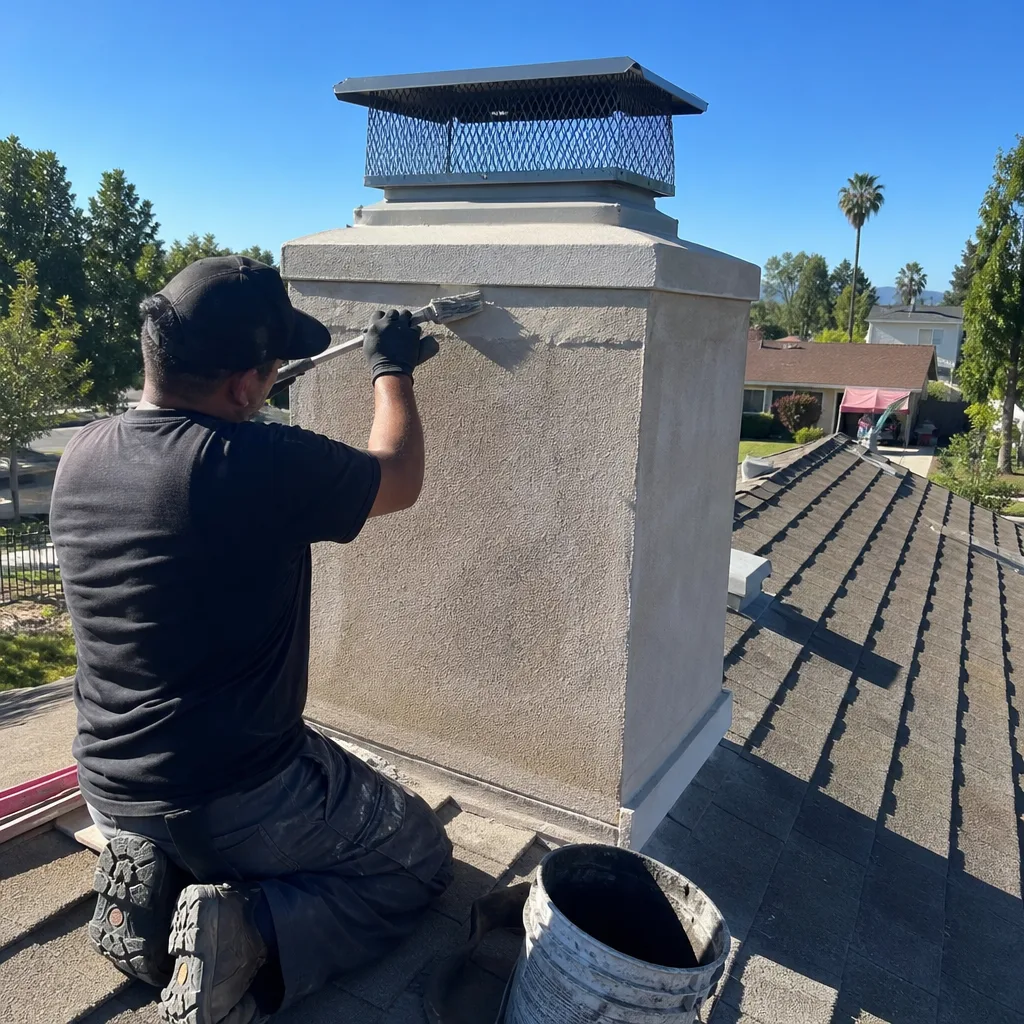
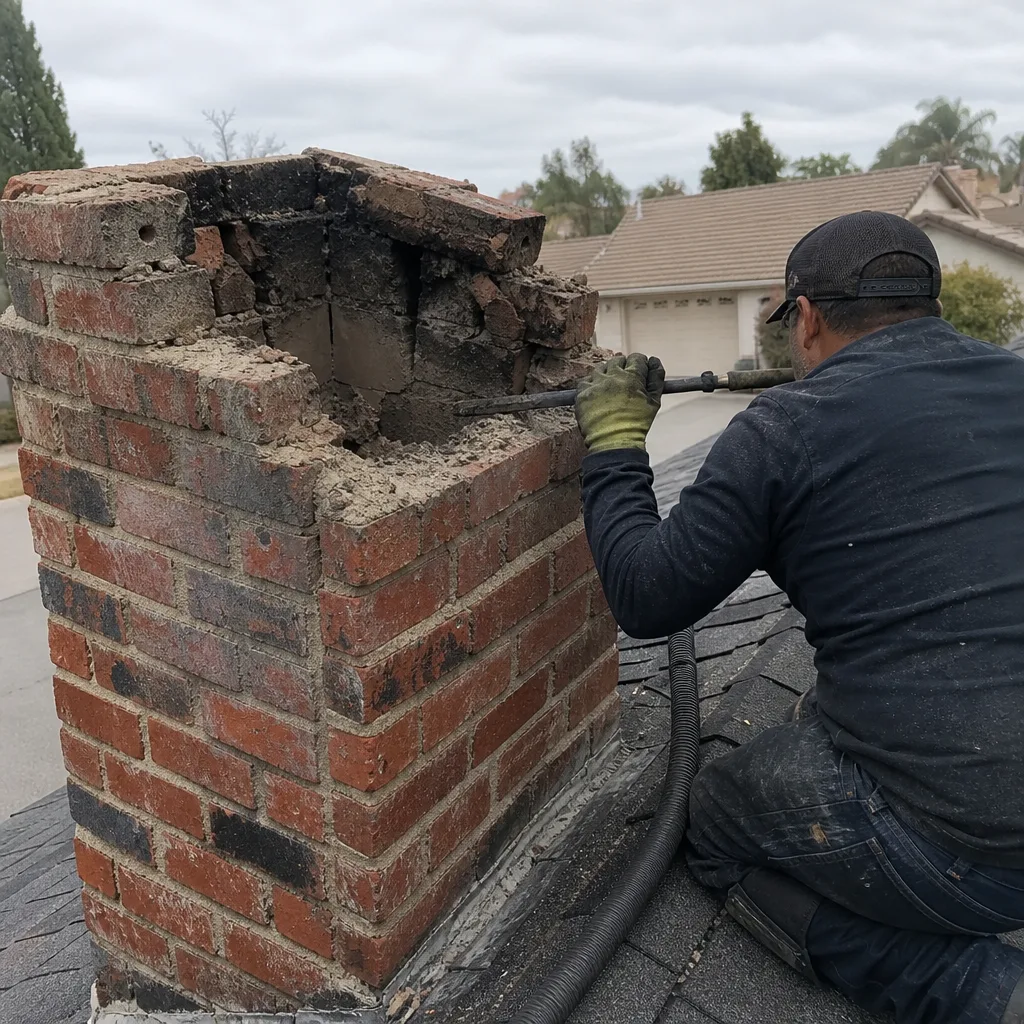
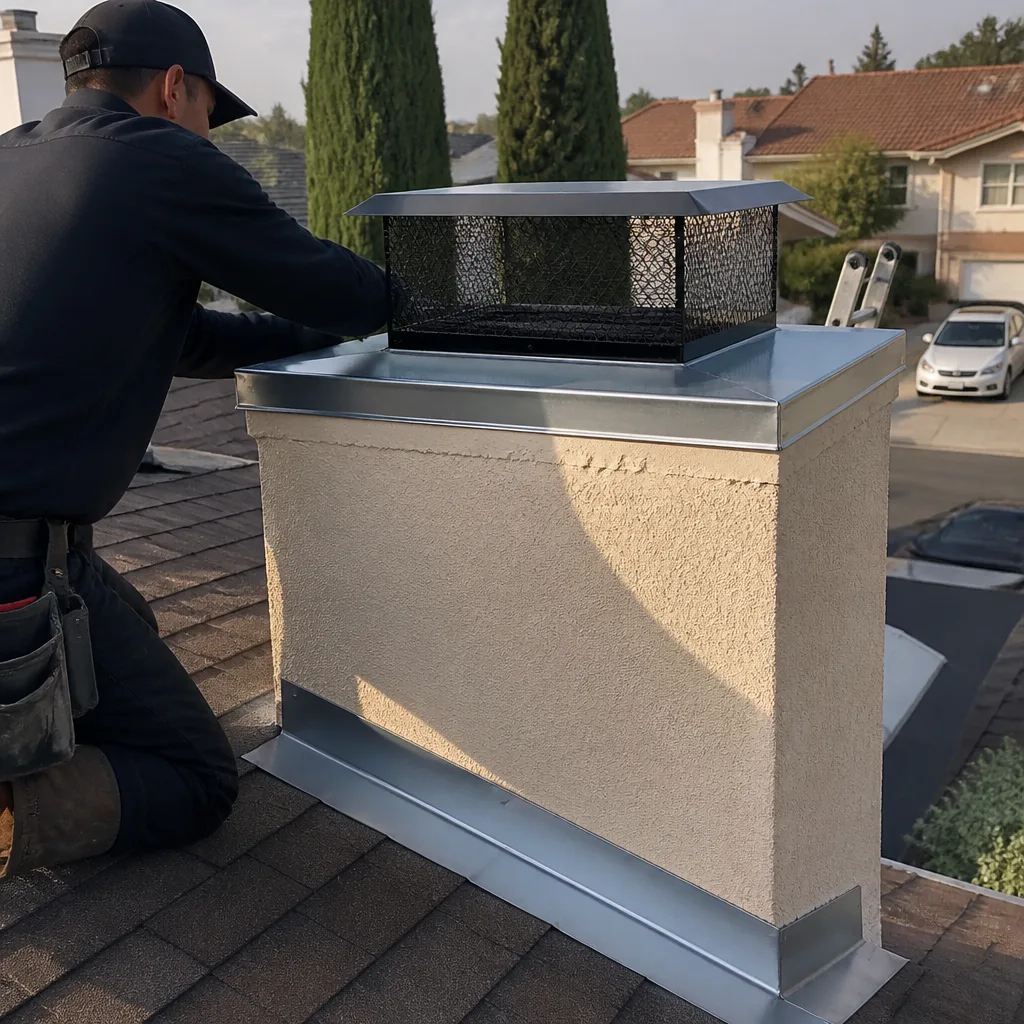
See the difference
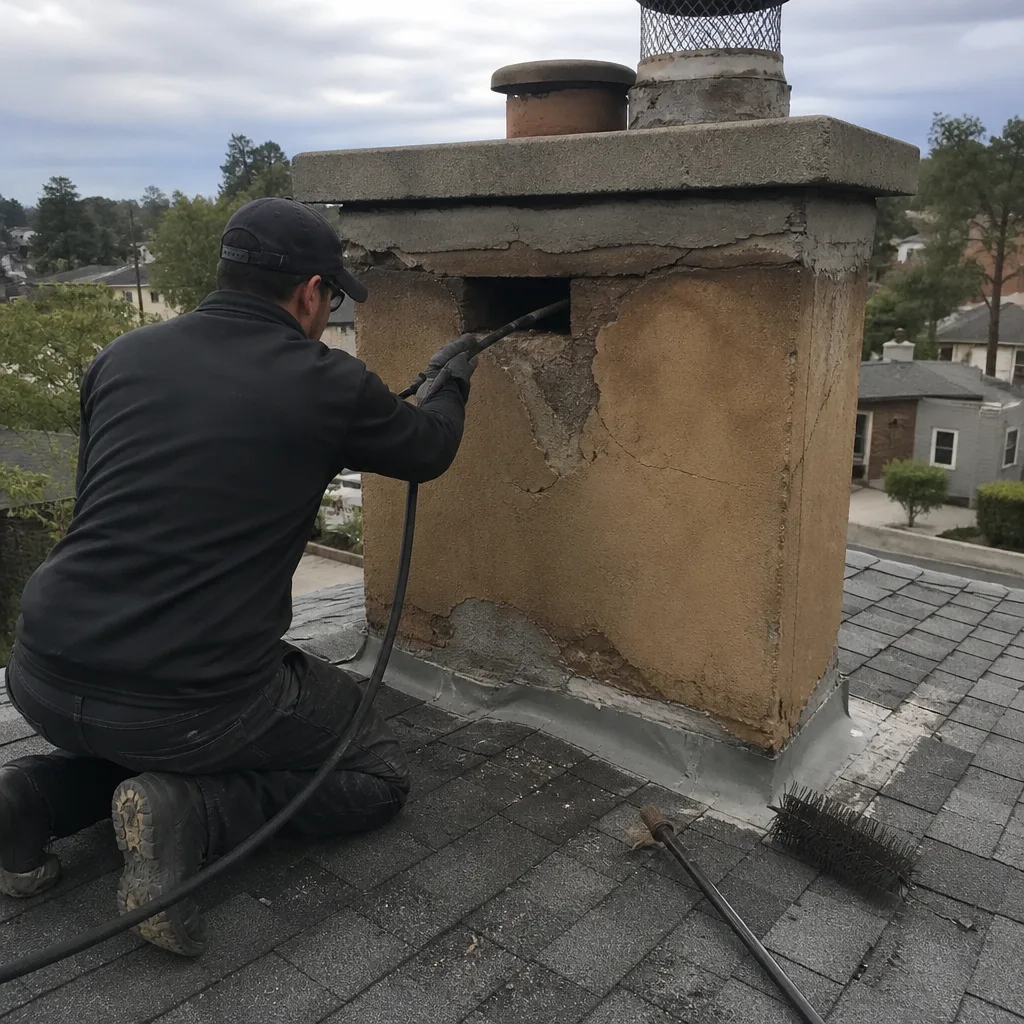 Before
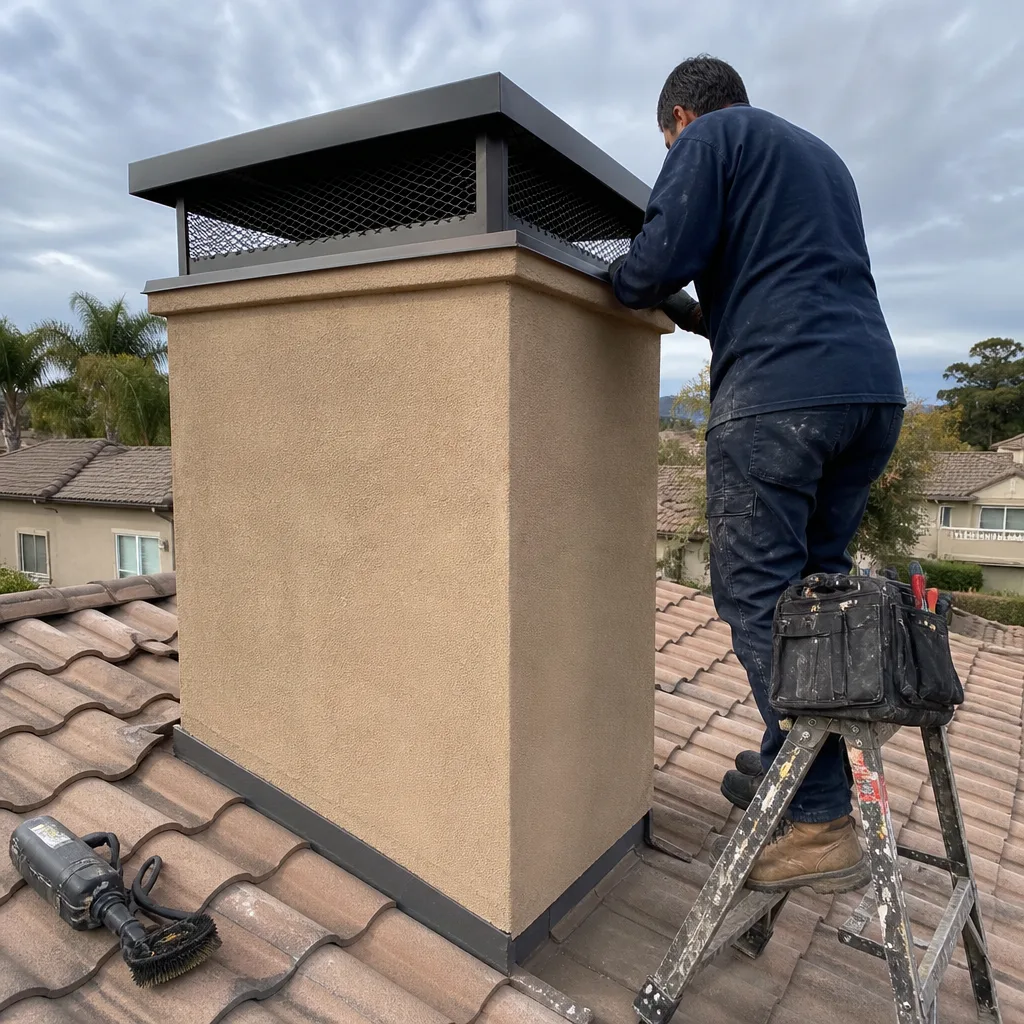 After
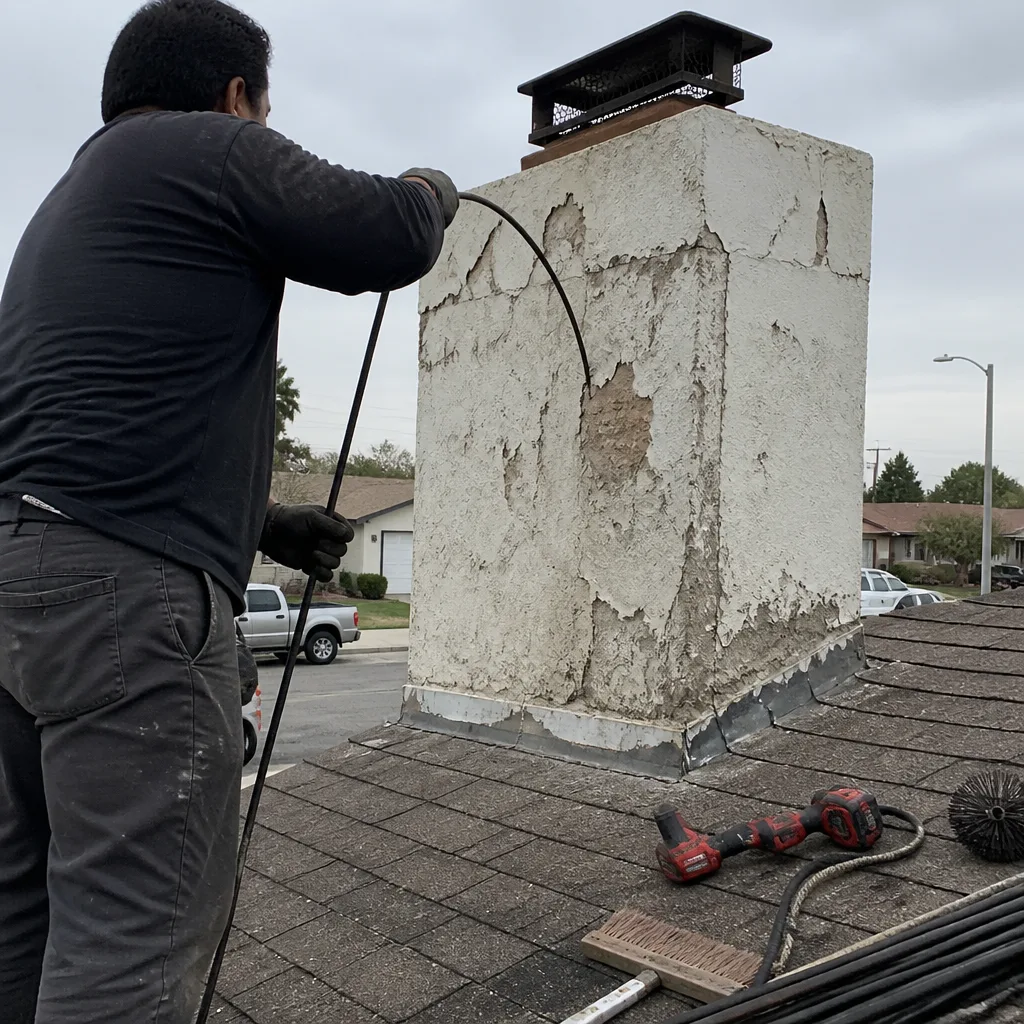 Before
 After
 Before
 After
When to Call a Professional
Call a professional chimney technician if you see falling debris inside the firebox, visible cracks in the exterior masonry wider than a pencil line, water staining on the ceiling or walls near the chimney, animals or animal sounds in the flue, smoke backing into the room during a fire, or a carbon monoxide detector that goes off and stays off after rebooting. Any of these means the chimney has moved past “maintenance checklist” territory into “needs eyes and instruments on it now” territory. Ashwood Chimney Sweep offers free estimates in Fontana and the surrounding Inland Empire – call (833) 805-3229 to schedule an inspection, a sweep, or a repair assessment.
Frequently Asked Questions
A chimney in Fontana should be professionally swept and inspected once per year, regardless of how often it’s used. The National Fire Protection Association standard is annual inspection with sweeping as needed, and in our climate the inspection matters as much as the sweeping because it catches moisture damage and animal intrusion during the long idle months. Homes that burn more than three cords of wood per season may need a mid-season sweep as well.
A standard chimney sweep with inspection in Fontana typically ranges from $150 to $350, depending on the flue size, creosote stage, and whether the chimney has a standard cap or requires roof access for the full inspection. Additional work like camera inspection, animal removal, or cap replacement adds to the total. Call (833) 805-3229 for an exact quote on your chimney – estimates are free, and the price you’re quoted is the price you pay.
You need a new liner or a liner restoration when a camera inspection shows cracked clay tiles, gaps between liner sections, spalled surfaces, or liner material that’s fallen away from the flue walls – and any reputable contractor should show you the camera footage before recommending the repair. If the damage is not severe, Chimney Repair in Fontana options like HeatShield restoration can repair deteriorating clay liners without full replacement, which costs less and preserves the original masonry. If a technician recommends liner work without camera evidence, get a second opinion before signing anything.
Skipping chimney maintenance for several years in Fontana means moisture intrusion, animal damage, and creosote buildup go unaddressed, and the most common consequences are a chimney fire, water damage to surrounding ceiling and wall materials, or carbon monoxide backdrafting into the home. The flue liner deteriorates silently, and by the time problems become visible inside the firebox, the repair scope has usually expanded significantly. A chimney that’s been neglected for three to five years often needs a full liner evaluation and sometimes replacement.
You can perform the visual inspections described in this guide, but mechanical chimney cleaning requires specialized brushes sized to your flue, inspection equipment you likely don’t own, and safe roof access that’s genuinely dangerous for homeowners without fall protection training. The safety risk of working on a Fontana roof, combined with the fact that DIY cleaning without a camera inspection tells you nothing about liner condition, makes professional service the reasonable choice. This is a safety system, not a weekend project.
Yes, gas fireplace chimneys and vents need professional attention because gas combustion produces acidic soot that corrodes metal liners and vent components over time. The maintenance schedule for a gas unit includes annual burner and pilot service, vent inspection, and cleaning as needed. Dryer Vent Cleaning in Fontana falls under the same annual ventilation safety discipline – both are fire-risk systems that need scheduled professional service, not reactive fixes.
The Bottom Line
A Fontana chimney maintenance checklist works when it’s calibrated to how Fontana homes actually use their fireplaces: long idle periods, short burning windows, and vulnerability to moisture, animals, and wind damage during the off-season. Visual checks you can do yourself, professional inspections with cameras, gas-specific attention if you have a fireplace or insert, and a written record you keep year over year – those four habits prevent every major chimney problem we see in this city. If you’re unsure whether your chimney is ready for the next burning season, start with a single inspection and let the camera tell you what your eyes can’t. Call (833) 805-3229 and we’ll schedule your free estimate in Fontana.
Written by the team at Ashwood Chimney Sweep, serving Fontana since 2012.