
Last updated October 30, 2026
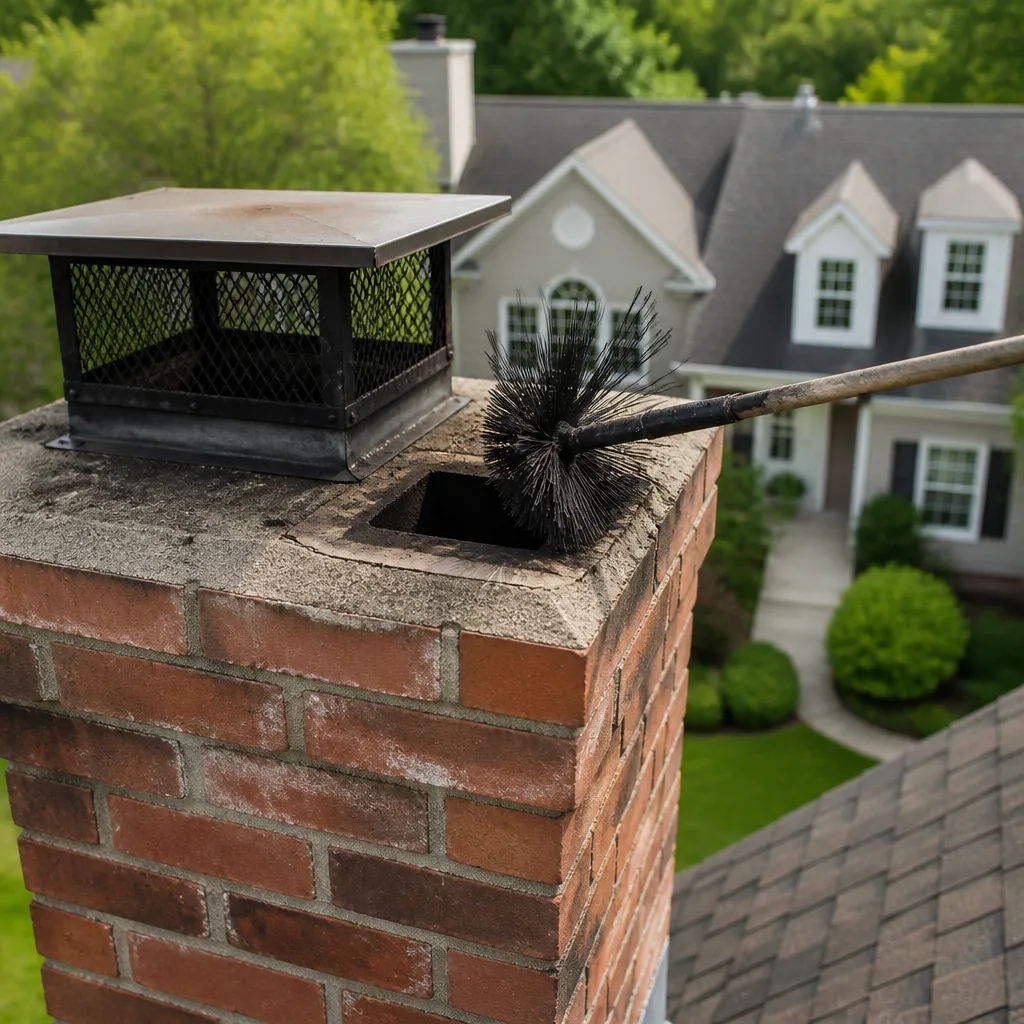 Sweep & inspection
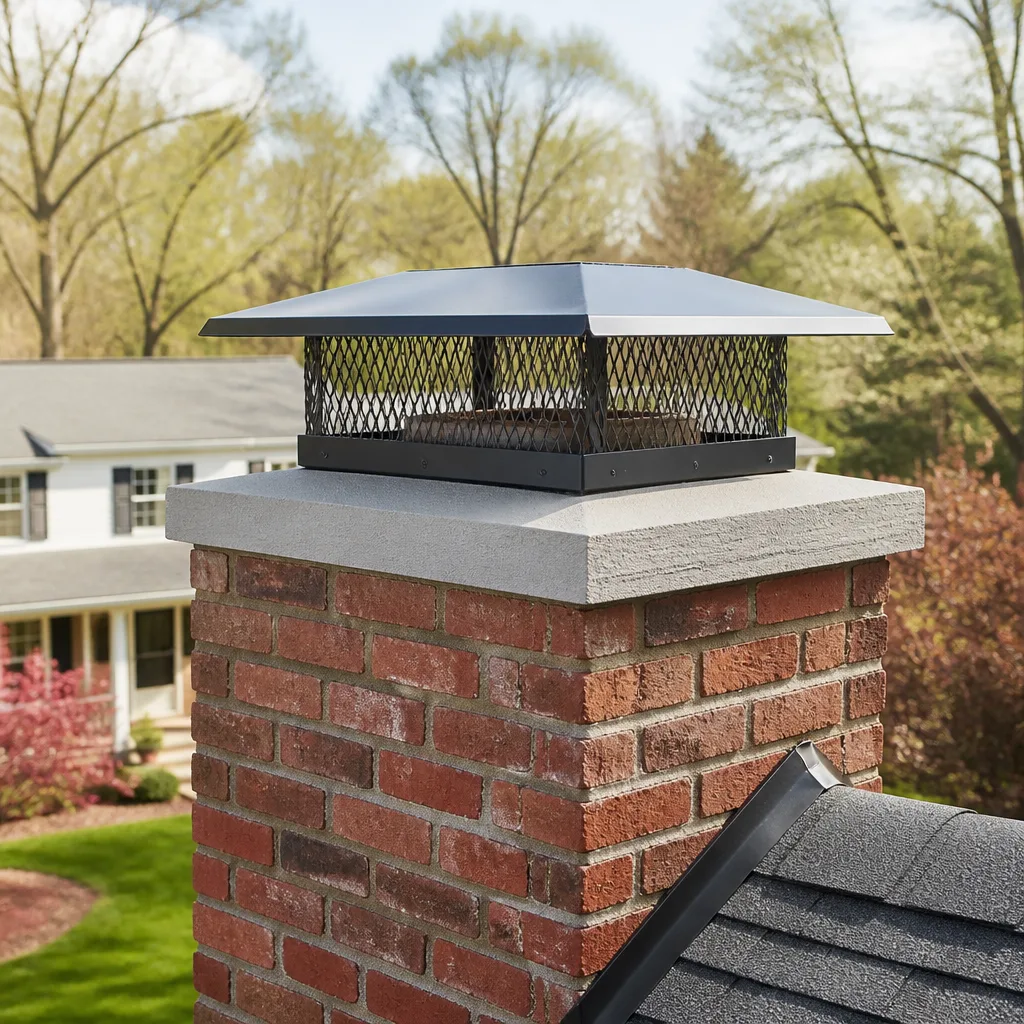 Caps & crowns
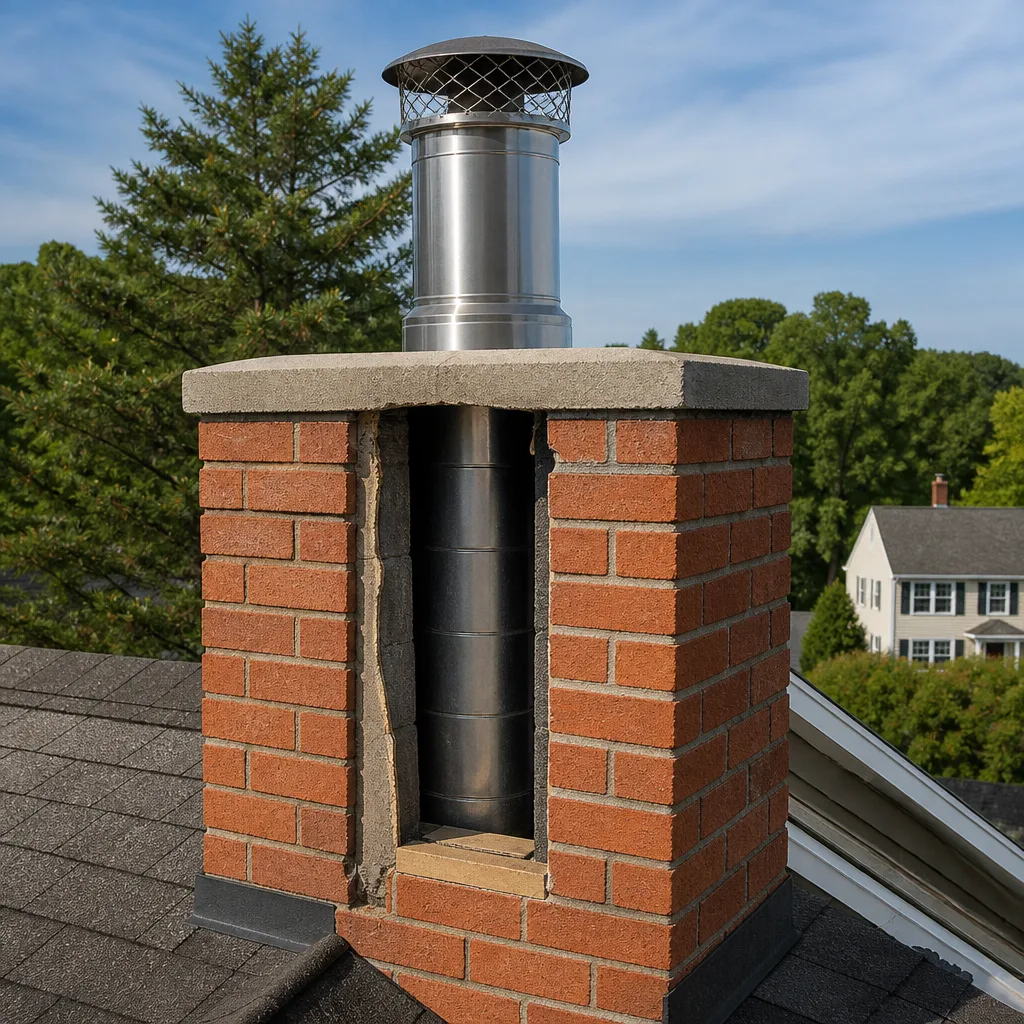 Flue relining
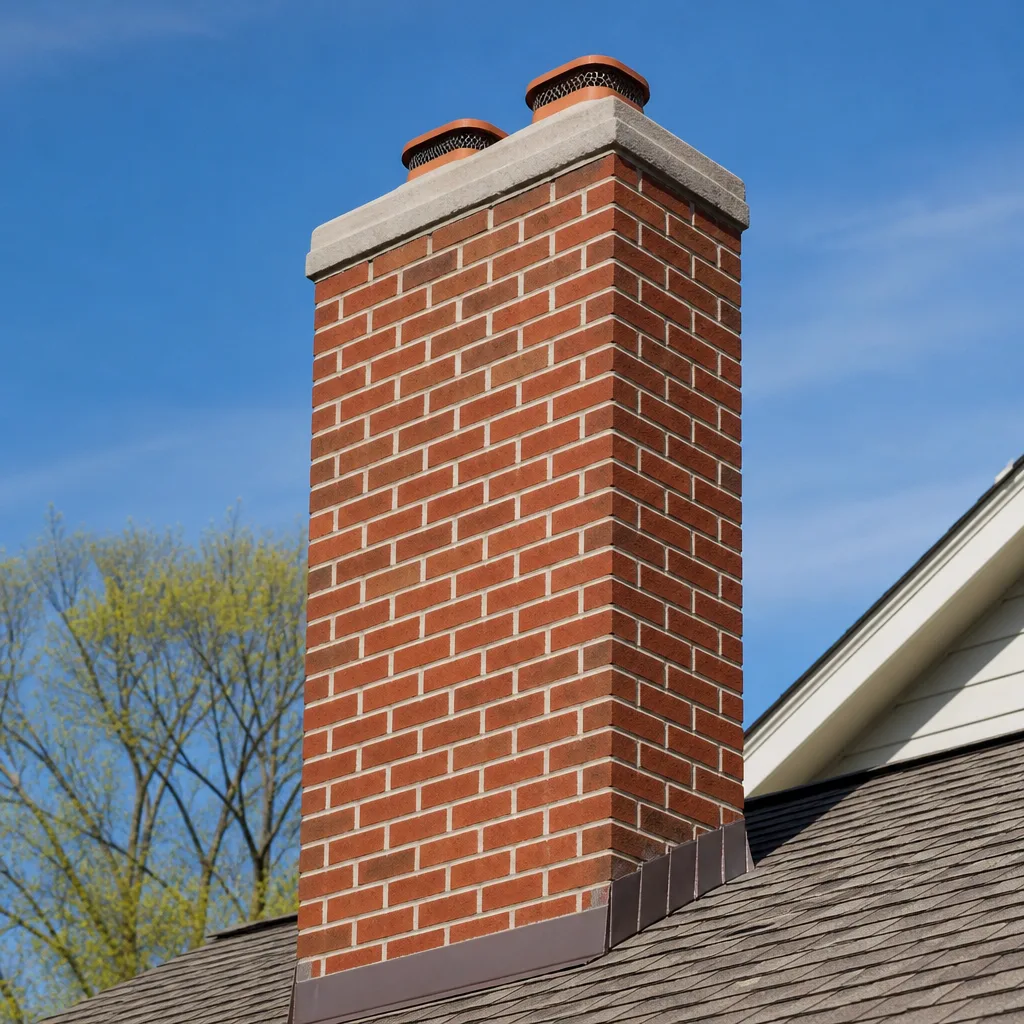 Masonry repair
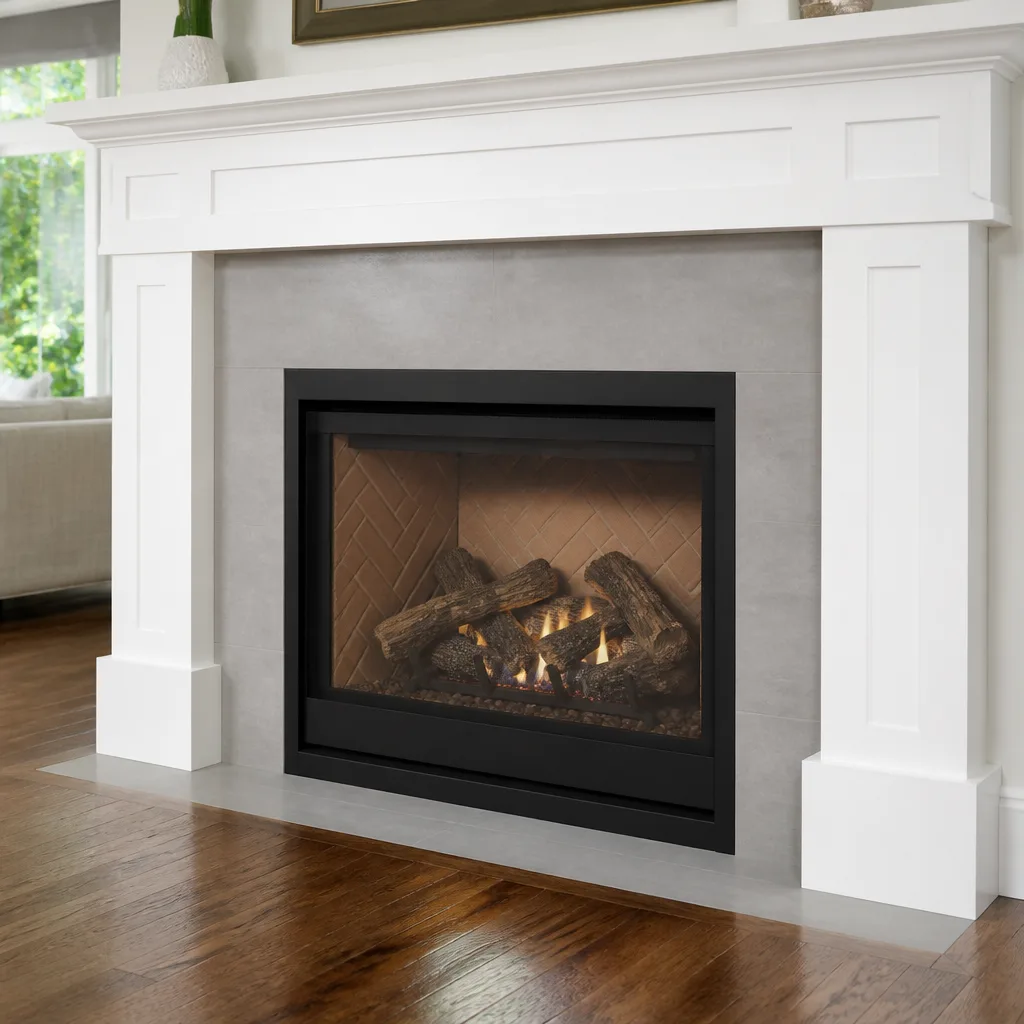 Gas fireplace service
Level 1 sweep and inspection to the NFPA 211 annual standard - flue, crown, cap, and flashing checked and photographed
Chimney sweep logs do not sweep chimneys. They loosen some creosote - which then falls where a brush and vacuum still have to collect it.
Chimney Cleaning Permits, Codes & Inspections in CA: What You Need to Know
Here’s a number most Fontana homeowners never hear: according to the California Department of Insurance, an estimated 7,000 chimney fires are reported statewide each year, and a meaningful share of those involve chimneys that had recently been “repaired” without a permit. The reason this matters to you isn’t just safety. It’s legal and financial exposure. When work that should have been permitted isn’t, your homeowner’s insurance carrier has a documented basis to deny a fire claim. This guide walks through exactly which chimney tasks in California require a permit, which don’t, what San Bernardino County adds on top of state code, what NFPA 211 inspection standards actually require, and what paperwork you should demand before paying a contractor. For more guides & resources, see our blog. By the end, you’ll know more about chimney compliance than most contractors who knock on doors in Fontana.
Quick Answer
Routine chimney sweeping and visual inspections do not require a permit anywhere in California. However, chimney repairs that involve replacing a flue liner, rebuilding a firebox, altering the chimney structure, or installing certain cap systems are classified as alterations under the California Building Code and typically require a permit pulled by the contractor, not the homeowner. In San Bernardino County, permit thresholds are stricter than state minimums, and failing to pull one can void a future insurance claim and create a code violation that must be disclosed when you sell the home.
Styles & brands we work with
Table of Contents
- Cleaning vs. Alteration: Where California Draws the Line
- San Bernardino County Permit Thresholds: Stricter Than State Minimums
- NFPA 211 in California: What Inspection Levels Actually Require
- HOA Rules in Fontana: The Layer Most Homeowners Miss
- The Paperwork Checklist: What to Demand After Any Chimney Job
- Who’s Responsible: Contractor vs. Homeowner Obligations
- Permit Costs and Timelines in San Bernardino County
- Red Flags: How to Spot a Contractor Who Skips Permits
Cleaning vs. Alteration: Where California Draws the Line
The California Building Code (CBC), which is based on the International Residential Code with state-specific amendments, separates chimney work into two broad categories: maintenance and alteration. Most homeowners assume “any work on a chimney” falls under one set of rules. That assumption is where expensive mistakes start.
Maintenance work includes chimney sweeping, flue brushing, creosote removal, visual inspection, minor cap tightening, and replacing a damper that’s bolted in without structural modification. None of these require a permit in California. A chimney sweep in Fontana can clean your flue and perform a Level 1 or Level 2 inspection on any day of the week without ever filing paperwork with the county. For a full breakdown of what to watch for, see our Chimney Cleaning Warning Signs: A Fontana Homeowner’s Reference Guide.
Alteration work is different. Under CBC Section 105, a permit is required when work changes the structure, fire-resistance rating, or ventilation pathway of a chimney system. That includes:
- Replacing a clay tile or metal flue liner (the liner is a structural fire-safety component, not an accessory)
- Rebuilding any portion of the firebox or smoke chamber with new masonry
- Installing a stainless steel liner system where one did not previously exist
- Tearing down and rebuilding a chimney above the roofline
- Converting a wood-burning fireplace to gas (this also triggers separate mechanical and gas line permits)
- Installing certain chimney cap systems that alter the flue termination or draft characteristics
Here’s the part most Fontana homeowners don’t realize: a contractor who says “you don’t need a permit for a liner replacement” is either misinformed or avoiding the cost and time of inspection. In our experience inspecting chimneys across Fontana, we regularly find liner replacements that were done without permits. The liner functions fine until it doesn’t. And when it doesn’t, the paperwork gap becomes the homeowner’s problem, not the contractor’s.
The practical test we recommend: ask the contractor, “Is this cleaning and maintenance, or is this an alteration?” If they can’t answer that question directly and explain why, get a second opinion before any work begins. Our Chimney Sweep Troubleshooting: Common Problems and How to Fix Them covers other warning signs to watch for.
San Bernardino County Permit Thresholds: Stricter Than State Minimums
California sets a statewide floor for when permits are required. Counties and cities are free to adopt amendments that are stricter. San Bernardino County has done exactly that, particularly for chimney and fireplace work.
Under San Bernardino County Code, any chimney work that involves structural repair, liner replacement, firebox rebuilding, or installation of a new prefabricated chimney system requires a building permit through the county’s Land Use Services Department. This includes work that might pass as “maintenance” in other parts of California. For example, repairing a cracked chimney crown with more than surface patching material is treated as structural repair in San Bernardino County and triggers a permit review.
What surprises Fontana homeowners most often is the county’s position on chimney caps. Installing a simple replacement cap that matches the original is considered maintenance. Installing a different cap system, particularly one with a spark arrestor or draft-inducing design that changes how the flue terminates, is classified as an alteration. That means the cap you pick at the hardware store could trigger a permit if its design differs from what was originally installed.
The county also enforces specific clearance requirements for chimney terminations in wildfire-prone zones. Fontana sits in a Wildland-Urban Interface (WUI) area for many of its hillside communities, including neighborhoods north of the 210 like Hunter’s Ridge and the developments around Sierra Lakes. In WUI-designated zones, San Bernardino County requires spark arrestors with specific mesh sizes on all chimney terminations, and a permit is required to install or replace that arrestor if the original did not have one.
Here’s the short version for Fontana homeowners:
- Chimney sweep, inspection, creosote removal: no permit, never.
- Flue liner replacement (any material): permit required, contractor pulls it.
- Firebox or smoke chamber masonry rebuilding: permit required.
- Chimney cap replacement that matches original design: no permit.
- Chimney cap or termination change in a WUI zone: permit required.
- Wood-to-gas fireplace conversion: permit required, plus mechanical and gas permits.
The cost of the permit isn’t the issue. San Bernardino County building permits for chimney alterations typically run in the low hundreds of dollars depending on valuation. The real cost is the inspection, which we’ll cover below. The inspection is what protects you.
NFPA 211 in California: What Inspection Levels Actually Require
NFPA 211 is the National Fire Protection Association’s Standard for Chimneys, Fireplaces, Vents, and Solid Fuel-Burning Appliances. California has adopted NFPA 211 by reference into the California Fire Code, which means its inspection standards are legally enforceable in Fontana, not just recommended practice.
NFPA 211 defines three inspection levels. Knowing the difference between them is the single most useful thing a homeowner can learn before hiring any chimney contractor. For a complete maintenance schedule, see our Chimney Sweep Maintenance Checklist for Fontana Homeowners.
Level 1 Inspection: The baseline check performed during routine maintenance. The technician examines the readily accessible portions of the chimney interior and exterior, verifies that the flue is free of obstructions, and confirms that the chimney meets the clearance requirements for the appliance it serves. A Level 1 is appropriate when the chimney is being used under the same conditions as before, with no changes to the system.
Level 2 Inspection: Required by NFPA 211 whenever any change is made to the system. That includes replacing an appliance, changing fuel type, relining a flue, or after any fire or weather event that may have damaged the chimney. A Level 2 includes everything in Level 1 plus inspection of accessible attics, crawl spaces, and basements, and a video scan of the flue interior. If you’re buying a home in Fontana, you should insist on a Level 2 inspection before closing. If you’re converting a wood fireplace to gas, Level 2 is legally required, not optional.
Level 3 Inspection: Reserved for cases where a Level 1 or Level 2 inspection reveals a suspected hazard that requires access to concealed areas. This often involves removing portions of the chimney structure to assess damage. Level 3 inspections are rare and are typically triggered by suspected flue collapse, major fire damage, or structural compromise identified in an earlier inspection.
In San Bernardino County, the county’s building department works from these NFPA 211 standards when performing permitted chimney inspections. That means when a contractor pulls a permit for a liner replacement, the county inspector is checking the work against NFPA 211 compliance. If the new liner doesn’t meet the sizing or clearance requirements of NFPA 211, it fails inspection.
A practical note from our work in Fontana: when we perform a Level 2 inspection and find a deteriorating flue liner, the repair path often involves a HeatShield restoration rather than a full liner replacement. HeatShield is a cerfied proprietary product that resurfaces flue walls with a ceramic coating, restoring the chimney’s structural integrity and fire rating without the demolition work a full liner replacement requires. In some cases, that means a repair can be completed within the scope of a permit that’s simpler and faster to close out than a replacement would be. But make no mistake: even a HeatShield restoration, because it changes the fire-resistance characteristics of the flue, should be reviewed against San Bernardino County’s permit requirements.
HOA Rules in Fontana: The Layer Most Homeowners Miss
Fontana has dozens of planned communities with active HOAs. Many homeowners assume the county’s rules are the only rules. They’re not. In communities like Sierra Lakes, Summit Heights, Bella Strada, and the neighborhoods surrounding Sierra Golf Club, HOA design covenants add a layer of restrictions that can go well beyond what the county requires.
What do HOAs care about with chimneys? Three things, mostly:
1. Exterior appearance. Many Fontana HOAs have architectural guidelines that specify what chimney cap styles, colors, and materials are allowed. A black stainless steel cap on a home where the HOA requires powder-coated brown to match the roofline is a curable violation, but it’s still a violation. And the homeowner pays to fix it.
2. Spark arrestor requirements. Some Fontana HOAs in hillside communities have stricter spark arrestor requirements than San Bernardino County’s WUI rules. An HOA may require a specific mesh size or a specific cap manufacturer.
3. Exterior masonry material changes. If a chimney repair involves re-stuccoing, repainting, or changing visible masonry, the HOA’s architectural review committee may need to approve the work before it happens. Some HOAs require this approval before the county permit is even issued.
The sequence matters. Here’s the order we recommend for any Fontana homeowner facing chimney work that’s more than a simple sweep:
- Have a Level 1 or Level 2 inspection done first. Know what the actual problem is.
- If the work is alteration-level, ask the contractor to identify the permit path with San Bernardino County.
- Check the HOA’s architectural guidelines for any exterior-facing chimney work.
- Get HOA approval in writing if required.
- Then have the contractor pull the county permit.
- Complete the work and get the county inspection signed off.
We know this sequence feels like bureaucracy. But skipping step 3 or 4 is how a homeowner ends up with an HOA violation letter and a second round of costs. The county won’t care about the HOA’s cap color requirement. The HOA won’t care that the county signed off on the permit. You’re the only one who gets stuck with both.
The Paperwork Checklist: What to Demand After Any Chimney Job
Most homeowners pay the invoice and never ask for documentation. That’s a mistake. Here’s what you should have in hand before the contractor’s truck leaves your driveway in Fontana.
For a chimney sweep or inspection (no permit required):
- A written report of what was found, including photos from the video scan if a Level 2 inspection was performed. If the contractor doesn’t provide photos, ask for them. A written description is not the same as visual evidence.
- The date of service and the condition of the flue, firebox, damper, and cap at the time of inspection.
- A written recommendation for any repairs that are needed, categorized by urgency.
For permitted alteration work (liner replacement, firebox rebuild, cap change in WUI zone, fuel conversion):
- A copy of the permit pulled from San Bernardino County Land Use Services, with the permit number visible. If the contractor says they pulled the permit but can’t show it, the work may not be permitted. Ask for the record.
- The final inspection sign-off from the county. In San Bernardino County, a permitted chimney alteration is not complete until the county inspector signs the permit job card. A contractor who wants final payment before the inspection sign-off is asking you to assume risk you shouldn’t assume.
- A written warranty for the work, stating what’s covered and for how long. Be wary of verbal warranties. A verbal warranty is only worth what the contractor decides it’s worth later.
- If a liner was installed, the liner manufacturer’s documentation. When we install a DuraFlex liner system, the homeowner receives manufacturer paperwork identifying the liner by product name and lot. That matters if a warranty claim is ever needed.
- Before and after photos of the flue interior, if the work involved liner work or firebox rebuilding.
One specific caution for Fontana homeowners: San Bernardino County requires the permit to be “finaled,” meaning the inspection is complete and the permit is closed. An open permit is a title defect when you sell your home. If you sell a house with an open chimney permit, the buyer’s title company will find it, and you’ll be responsible for closing it out before escrow. That can take weeks if the contractor is gone and the work can’t be documented. Always insist on a finaled permit.
Who’s Responsible: Contractor vs. Homeowner Obligations
There’s a widespread belief in California that permits are the homeowner’s job. For chimney work, that’s backward.
Under California Contractors State License Board (CSLB) regulations, the licensed contractor performing alteration-level work is responsible for obtaining the required permit. The CSLB treats permit avoidance as a violation, and a contractor who routinely performs permitting-required work without a permit can lose their license. The homeowner is not supposed to pull a permit for a contractor’s work. If a contractor asks you to pull your own permit, that’s a red flag. It often means the contractor is either unlicensed, working outside their license classification, or trying to shift liability to you.
But here’s the hard truth: even though the contractor is responsible for pulling the permit, the homeowner is the one who suffers the consequences when a permit is skipped. Those consequences include:
- Insurance claim denial if a fire later occurs and the insurer discovers unpermitted work
- Title complications and mandatory disclosure when selling the home
- County code enforcement action if the work is discovered during a separate inspection
- Personal liability if the chimney fails and causes damage to a neighbor’s property
So the practical rule is: the contractor pulls the permit, but the homeowner verifies it. You should never pay for a liner replacement, firebox rebuild, or WUI cap change without seeing the permit number and confirmation that inspection is scheduled. The contractor bears the administrative responsibility. You bear the financial and legal risk if it’s skipped.
In our work across Fontana, we’ve been asked by homeowners to take over correction work for chimneys that failed inspection because the original contractor cut corners. In nearly all of those cases, the original contractor is no longer reachable. The homeowner is left holding the repair cost plus the expired permit. That’s not a position anyone should be in twice.
Permit Costs and Timelines in San Bernardino County
Here’s what to expect in practical terms when a chimney alteration requires a permit in San Bernardino County.
Costs: County building permit fees are calculated on the valuation of the work. For a typical flue liner replacement, the county permit fee is generally in the $150 to $400 range depending on the scope and whether additional plan review is required. A firebox rebuild with masonry work may go higher. A wood-to-gas conversion triggers multiple permits: building, mechanical, and possibly electrical, which can push total permit costs to $500 or more. These are county fees only. The contractor’s time for permit processing and inspection scheduling is typically built into the project bid.
Timelines: San Bernardino County’s Land Use Services Department handles permit review for the unincorporated county and many contract cities. For simple chimney alterations that don’t require plan review, permits can be issued over the counter or within a few business days. For more complex work, plan review may take one to two weeks. The inspection is typically scheduled within a few business days after the work is ready for inspection. In our experience, a straightforward liner replacement in Fontana can be permitted, completed, and finaled within two to three weeks when the process runs normally.
If you’re planning chimney work in the fall, which is peak season for fireplace use in Fontana, allow extra time. County inspection schedules tighten up in late October and November. A one-week wait for inspection can become three weeks. Plan fall chimney work in September if possible.
Red Flags: How to Spot a Contractor Who Skips Permits
You can’t always tell a compliant contractor from a non-compliant one by a truck wrap or a handshake. But there are patterns. Here’s what to look for:
- “You don’t need a permit for this.” When a contractor says this about a flue liner replacement, firebox rebuild, or cap change in Fontana’s hilly communities, that’s not confidence. It’s avoidance. Ask them to put it in writing. A contractor who’s right won’t hesitate.
- Discount for skipping the permit. Some contractors offer to “save you the permit fee” by doing the work without one. The permit fee is a few hundred dollars. The downstream risk is a denied insurance claim. That’s not a discount; that’s a transfer of risk to you.
- Cash-only pricing for alteration work. Cash pricing isn’t a crime, but it does suggest the contractor wants no paper trail. For work that should produce a permit, inspection report, and warranty documentation, a paper trail is the entire point.
- No fixed address or local reference. A chimney contractor without a verifiable local presence is hard to hold accountable when the permit doesn’t get finalized. Ask for a Fontana or San Bernardino County reference from the last six months.
- The contract doesn’t mention permits. If the scope of work is clearly alteration-level and the contract is silent on permits, that silence is a red flag. A professional contract states who pulls the permit, when, and what happens if inspection fails.
- Pressure to pay in full before inspection. No legitimate contractor working under a San Bernardino County permit should demand full payment before the county signs off on the work. A deposit is standard. Full payment before final inspection is not.
Common Mistakes to Avoid
- Assuming a chimney cap is just a cap. In Fontana’s WUI-designated zones, a cap change that alters the spark arrestor or termination design can trigger a permit. Replacing a cap with a visually similar but functionally different unit is one of the most common unpermitted chimney alterations we see.
- Treating a liner replacement as routine maintenance. A flue liner is a fire-safety component, not a wear item like a gasket or damper plate. Replacing it is an alteration under both state and San Bernardino County code, and it requires a permit.
- Paying for a Level 1 inspection when buying a home with a fireplace. NFPA 211 and California Fire Code require a Level 2 inspection whenever a property changes hands with a chimney in service. Many home inspectors perform only a visual exterior check. Insist on a full Level 2 with video scanning before closing.
- Not checking HOA architectural guidelines before cap or masonry work. County approval and HOA approval are separate processes. A cap that passes county inspection can still violate HOA covenants. Fontana communities with active architectural committees enforce these rules consistently.
- Paying the final invoice without a finaled permit. If the county hasn’t signed off, the job isn’t done. Don’t close out payment. An open permit is a title defect that follows the property.
- Believing a verbal warranty. A contractor who won’t put a warranty in writing is telling you something about how they’d handle a problem six months later. Get it in writing with specific coverage terms.
- Scheduling fall chimney work in November. Fontana’s chimney season peaks in November and December. County inspection slots fill, and contractor calendars tighten. Book in September or late August if the work requires a permit and inspection.
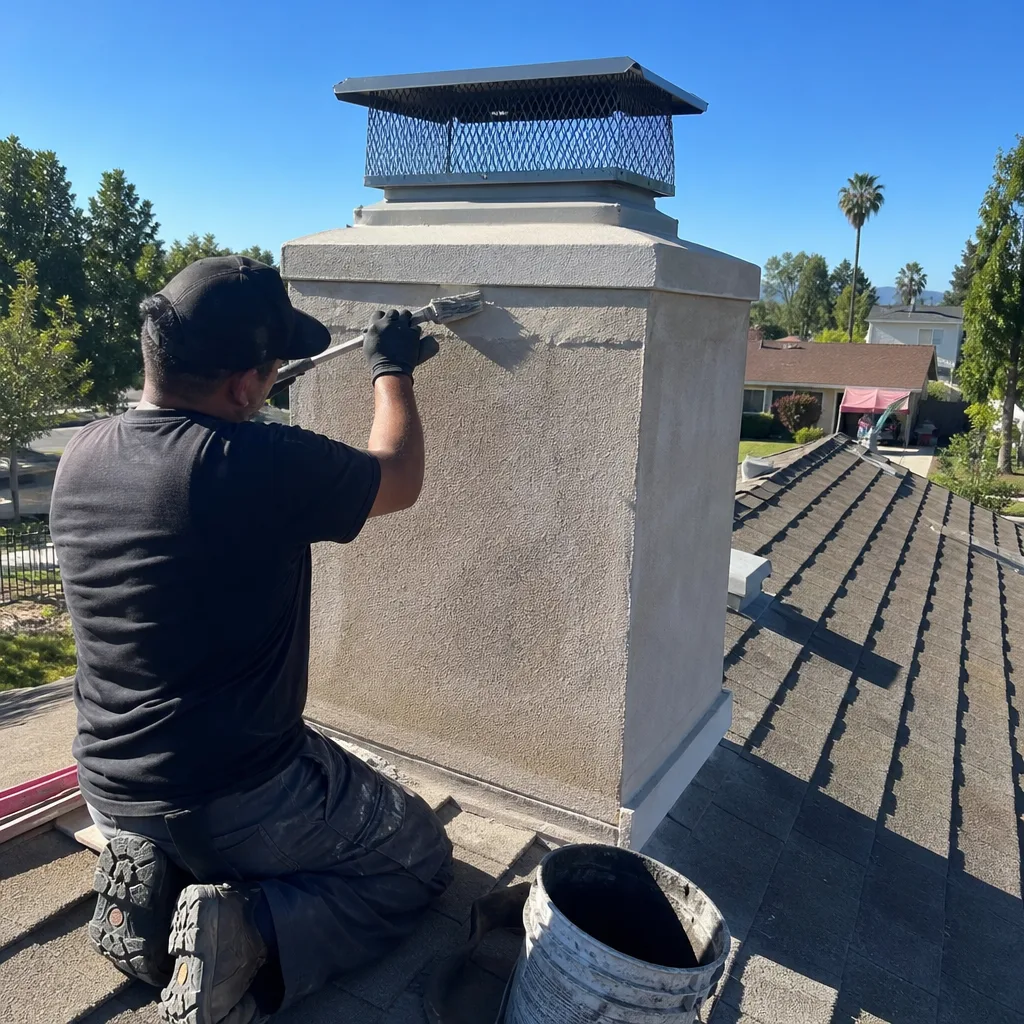
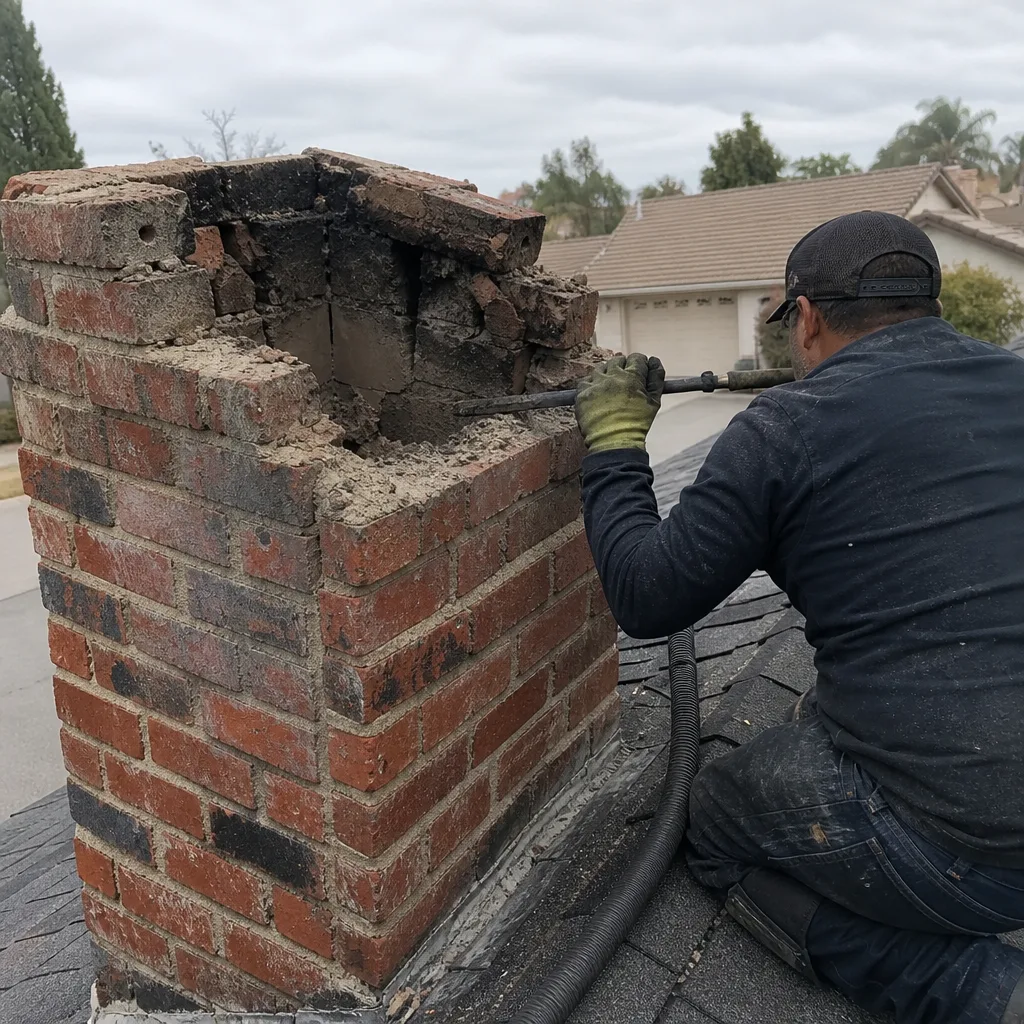
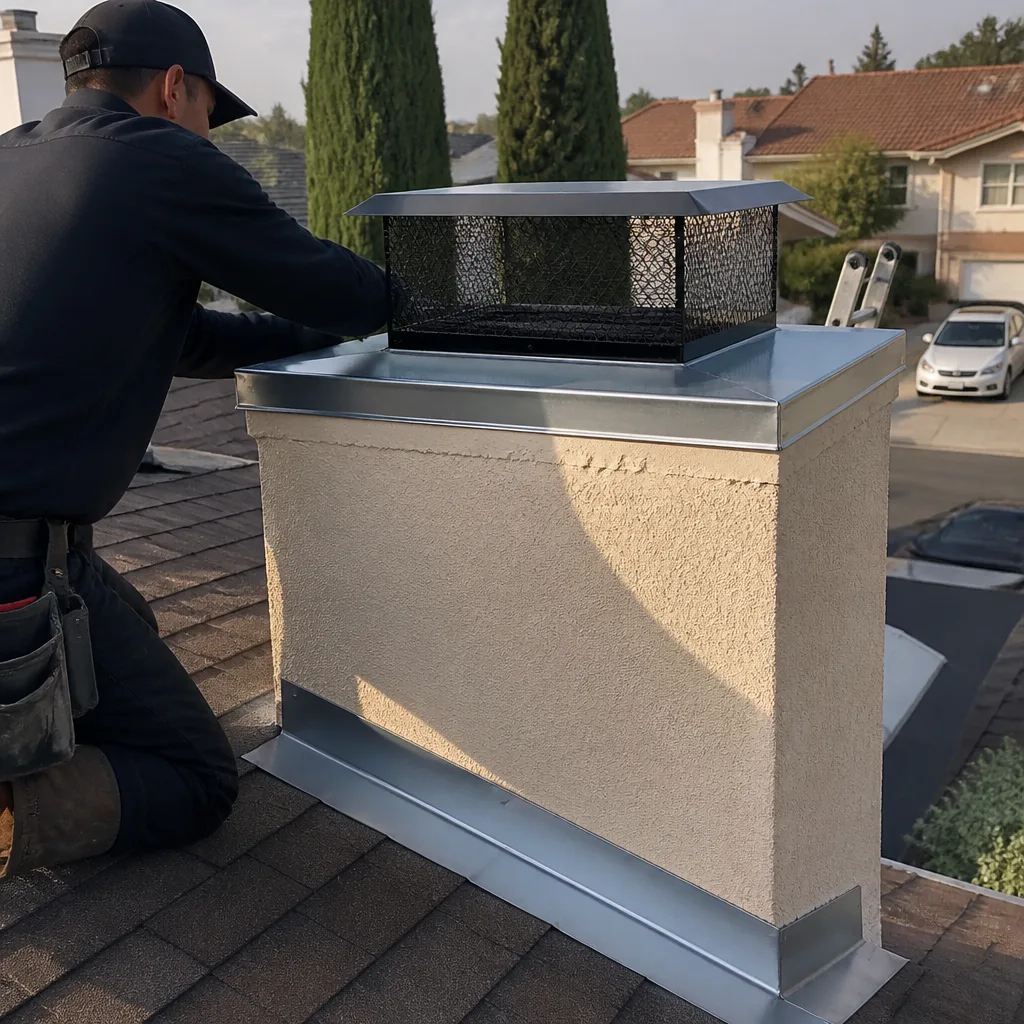
See the difference
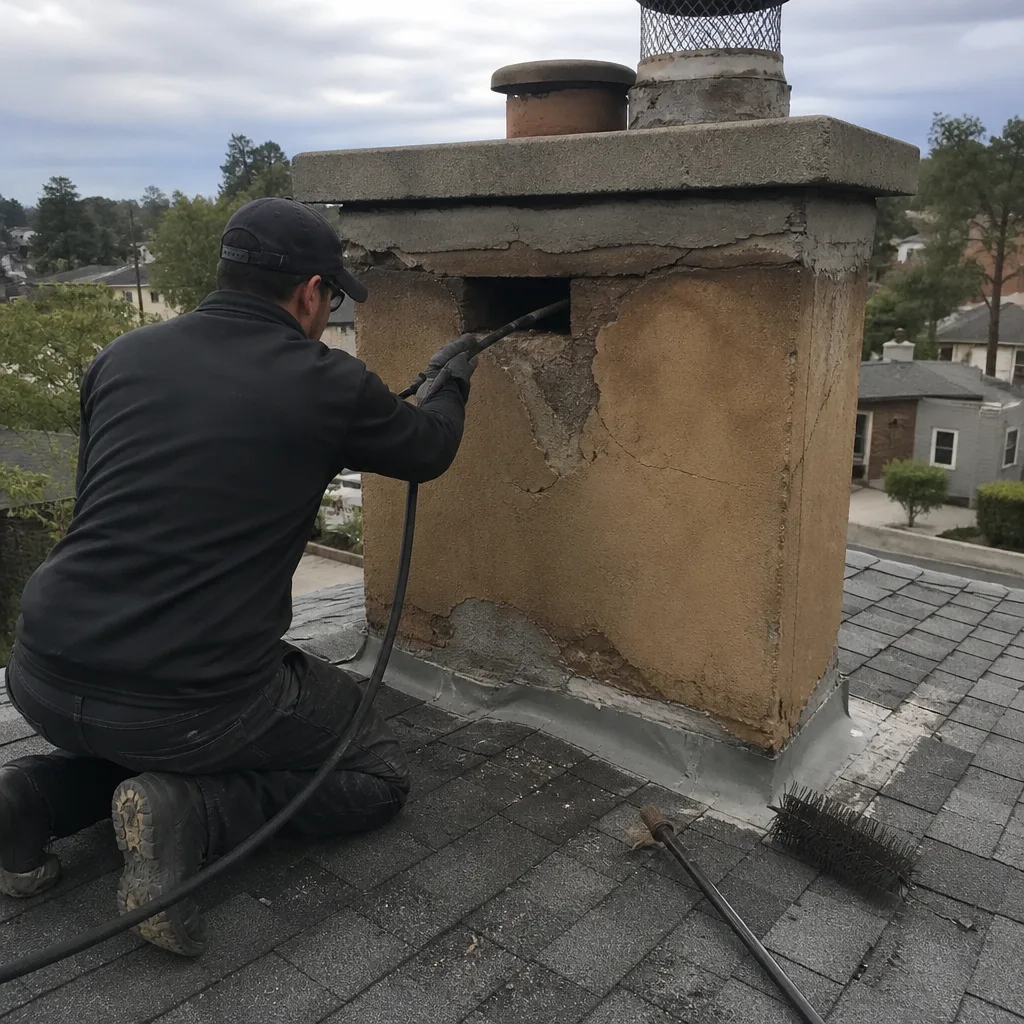 Before
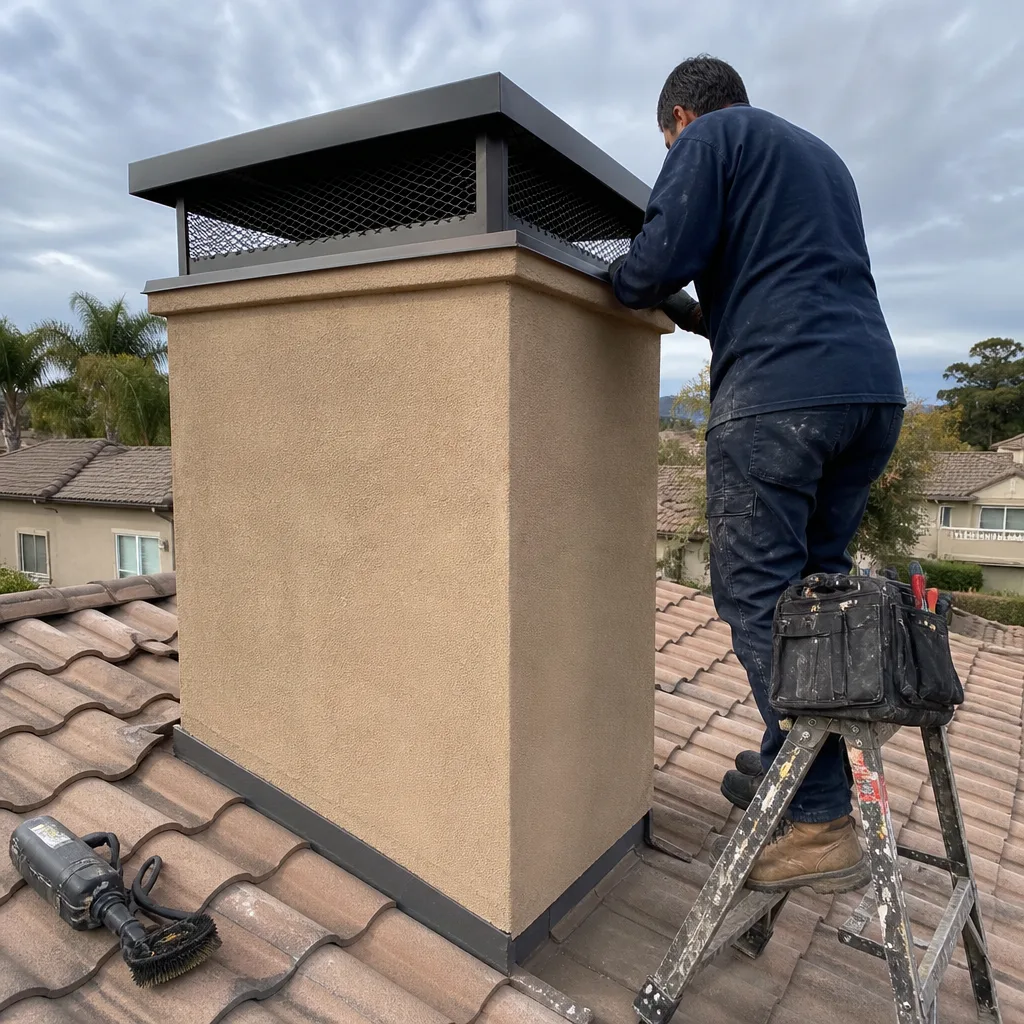 After
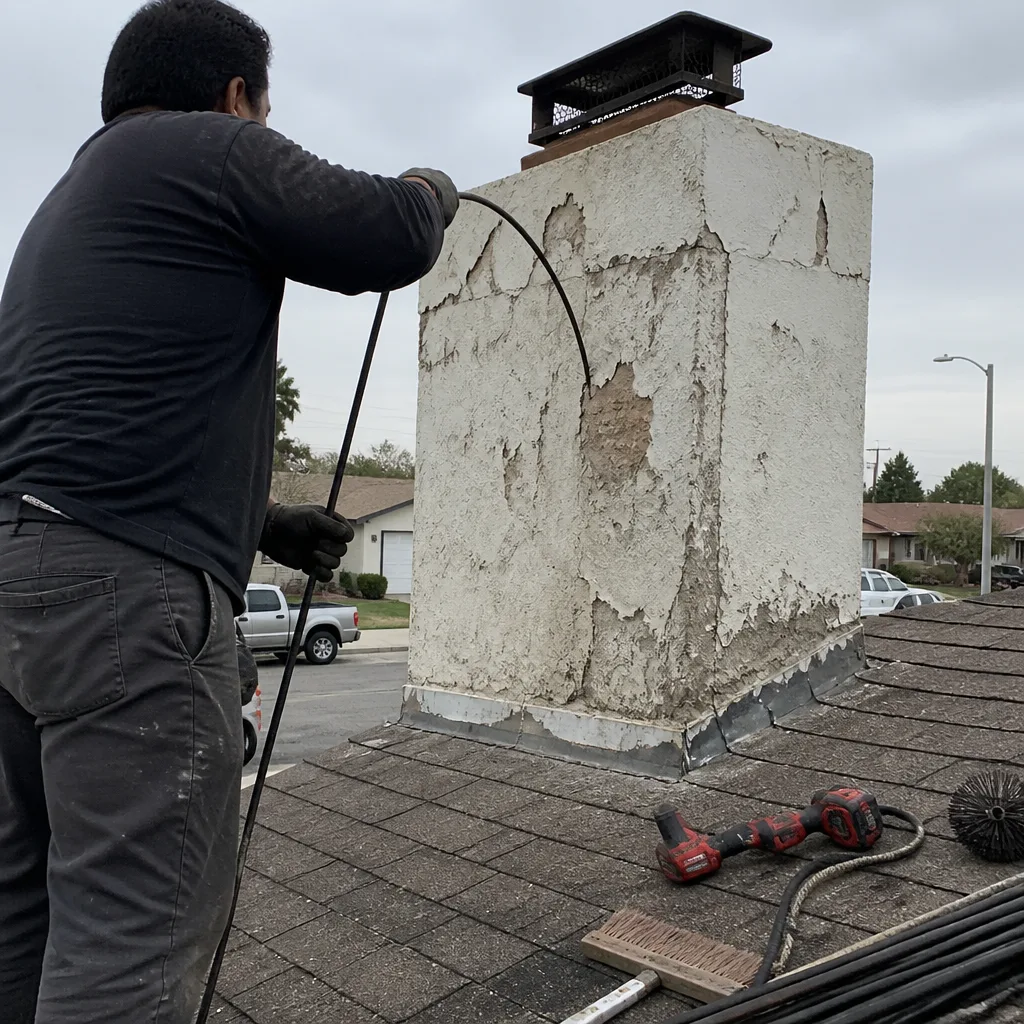 Before
 After
 Before
 After
When to Call a Professional
Some chimney work is genuinely simple, and some is genuinely not. You should call a professional whenever the scope involves a flue liner, firebox structure, smoke chamber, chimney crown repair beyond surface patching, or any work that changes how the chimney terminates at the roofline. You should also call a professional if you’ve received an inspection report that flags deterioration, if you’re buying or selling a home in Fontana with a fireplace, or if you suspect prior work was done without a permit and you need the system assessed for code compliance. A sweep is not a repair. If all you need is cleaning and a Level 1 inspection, any qualified sweep can do that. If the inspection reveals deeper issues, you want a company that can go beyond documentation and actually perform the repair work with professional-grade materials. Chimney Sweep in Fontana work starts with the cleaning and inspection, but it doesn’t end there when the flue has a real problem. Ashwood Chimney Sweep offers free estimates in Fontana. Call (833) 805-3229 to schedule.
Frequently Asked Questions
No. Routine chimney sweeping, creosote removal, and visual inspections are classified as maintenance under the California Building Code and do not require a permit anywhere in the state, including San Bernardino County and Fontana. A permit only becomes relevant when the work changes the chimney’s structure, fire-resistance rating, or ventilation pathway.
Yes. Flue liner replacement, whether clay tile or a stainless steel system like a DuraFlex liner, is classified as an alteration and requires a building permit through San Bernardino County Land Use Services. The licensed contractor performing the work is responsible for pulling the permit, and the county inspection must be finaled before the job is complete.
A Level 1 inspection is a baseline visual check performed during routine maintenance, limited to the readily accessible portions of the chimney interior and exterior. A Level 2 inspection includes everything in Level 1 plus a video scan of the flue interior and inspection of accessible attics, crawl spaces, and basements. NFPA 211 requires a Level 2 inspection whenever the chimney system changes, including appliance replacement, fuel conversion, or after a fire or major weather event.
Yes. Many Fontana HOAs have architectural guidelines that specify allowed cap styles, colors, and materials, and some impose stricter spark arrestor requirements than San Bernardino County’s WUI rules. HOA approval is separate from county permitting, and you may need both before the work can legally proceed. Always check HOA covenants before exterior chimney work.
If alteration-level chimney work was performed without a permit and a permit was required, that open violation must be disclosed during escrow. The buyer’s title company will typically identify the issue, and you’ll be responsible for resolving it before closing. That can mean pulling a retroactive permit, paying for an inspection, and correcting any non-compliant work. Unpermitted chimney work is also a documented basis for insurance claim denial if a fire occurs.
Ask for the San Bernardino County permit number before work begins, and verify it directly with Land Use Services if you have any doubt. After the work is done, require a copy of the finaled permit showing the county inspector’s sign-off. A contractor who can’t produce either document has not completed a permitted job, and you should not pay the final invoice until both are in hand.
The Bottom Line
California draws a bright line between chimney maintenance and chimney alteration, and the difference determines whether a permit is required. Sweeping and inspection are permit-free. Liner replacement, firebox rebuilding, WUI cap changes, and fuel conversions are not. San Bernardino County enforces these thresholds strictly, and Fontana HOAs add another compliance layer on top. The contractor pulls the permit, but the homeowner owns the risk if it’s skipped. Demand documentation, verify the finaled permit, and never accept a verbal warranty as a substitute for written terms. A chimney that’s been inspected, permitted, and documented is a chimney you won’t have to think about twice.
Written by the team at Ashwood Chimney Sweep home, serving Fontana since 2012. Learn more about our Chimney Repair in Fontana and Dryer Vent Cleaning in Fontana services.