
Last updated October 30, 2026
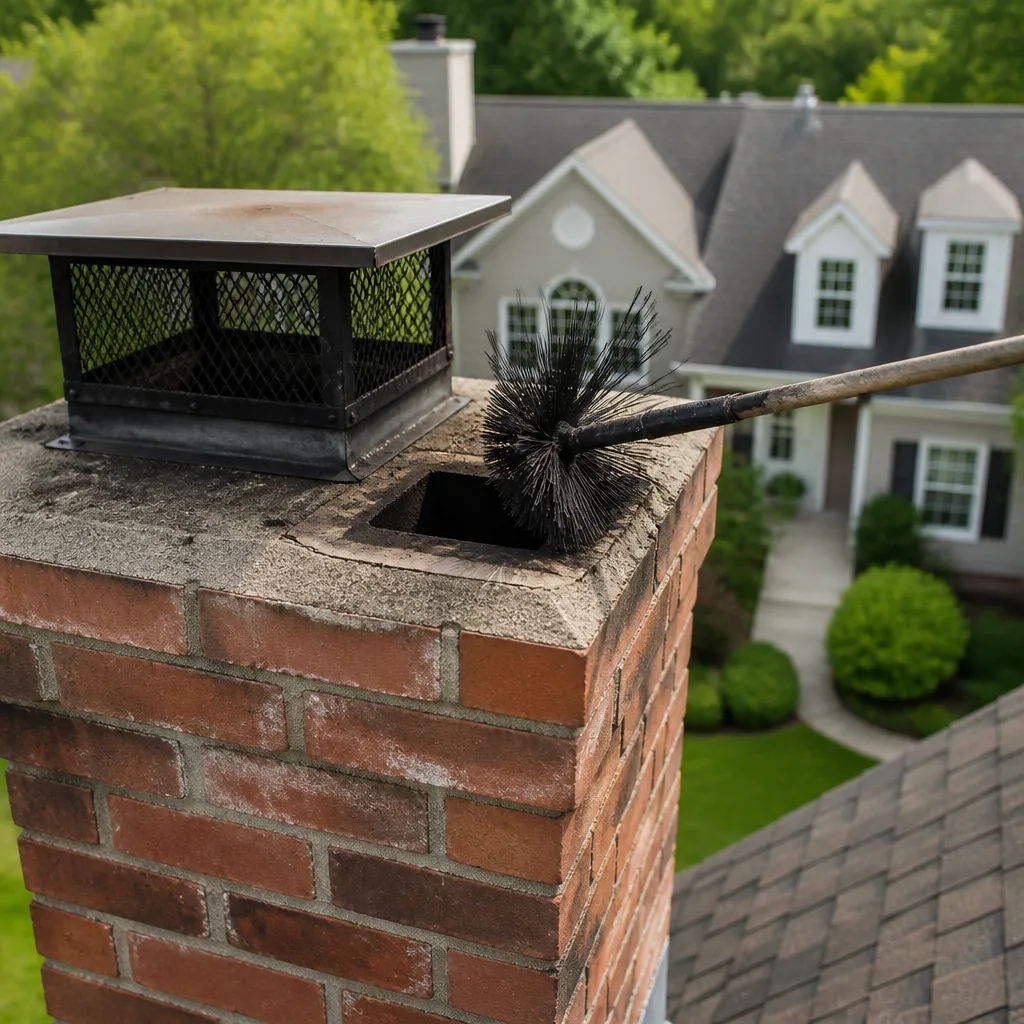 Sweep & inspection
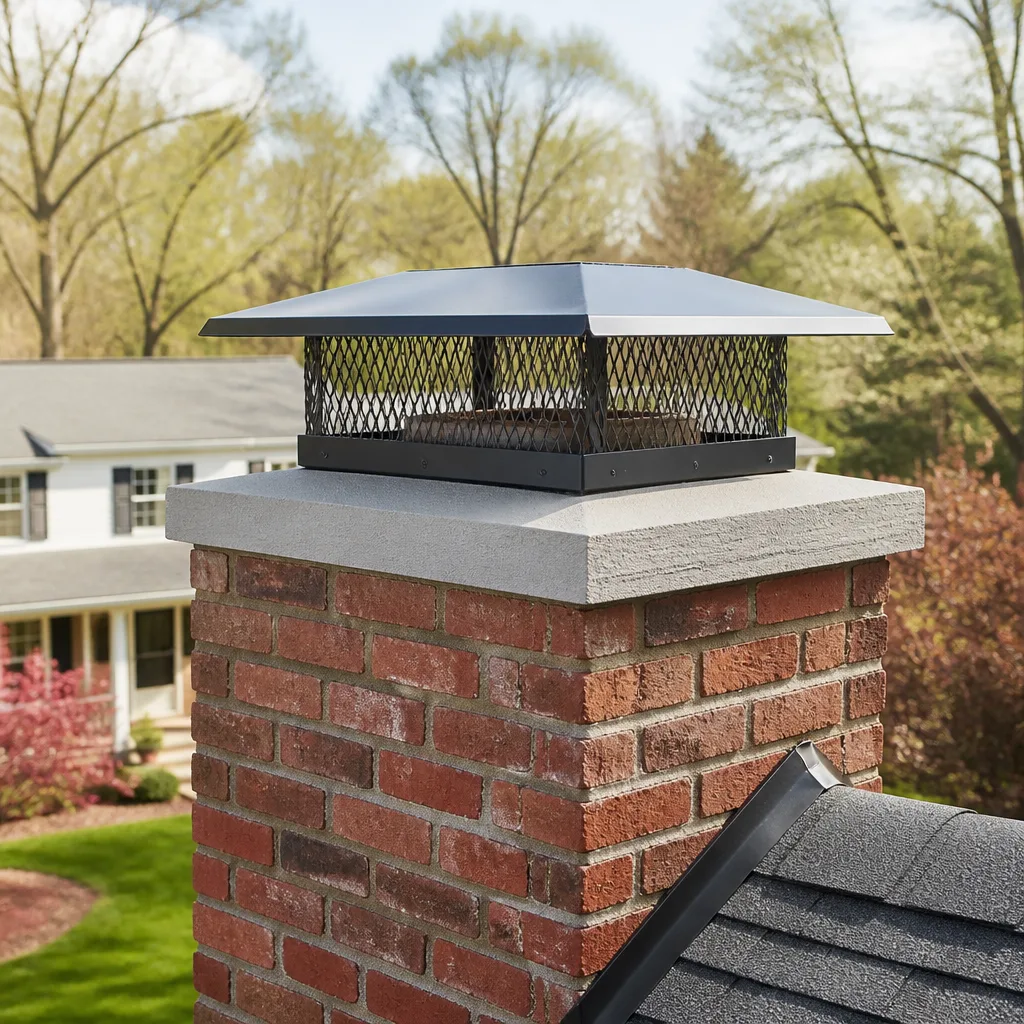 Caps & crowns
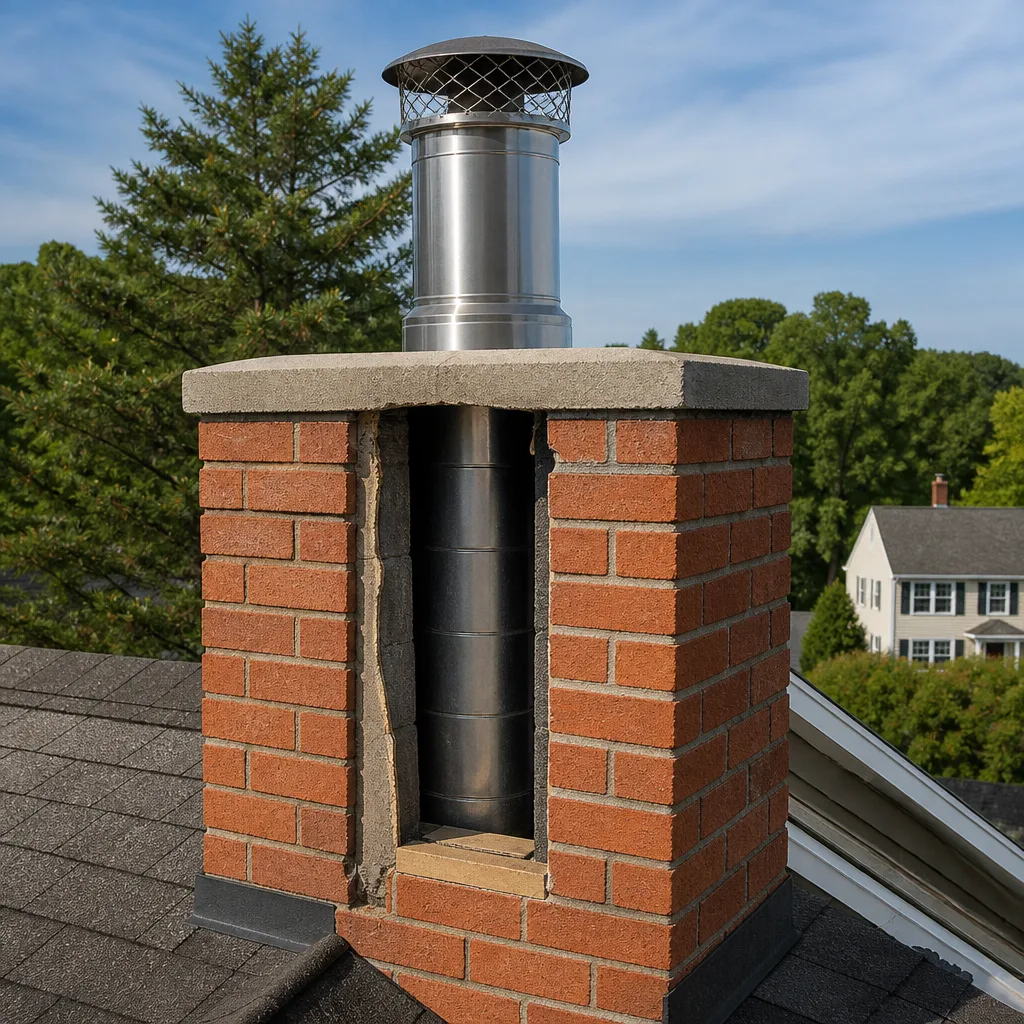 Flue relining
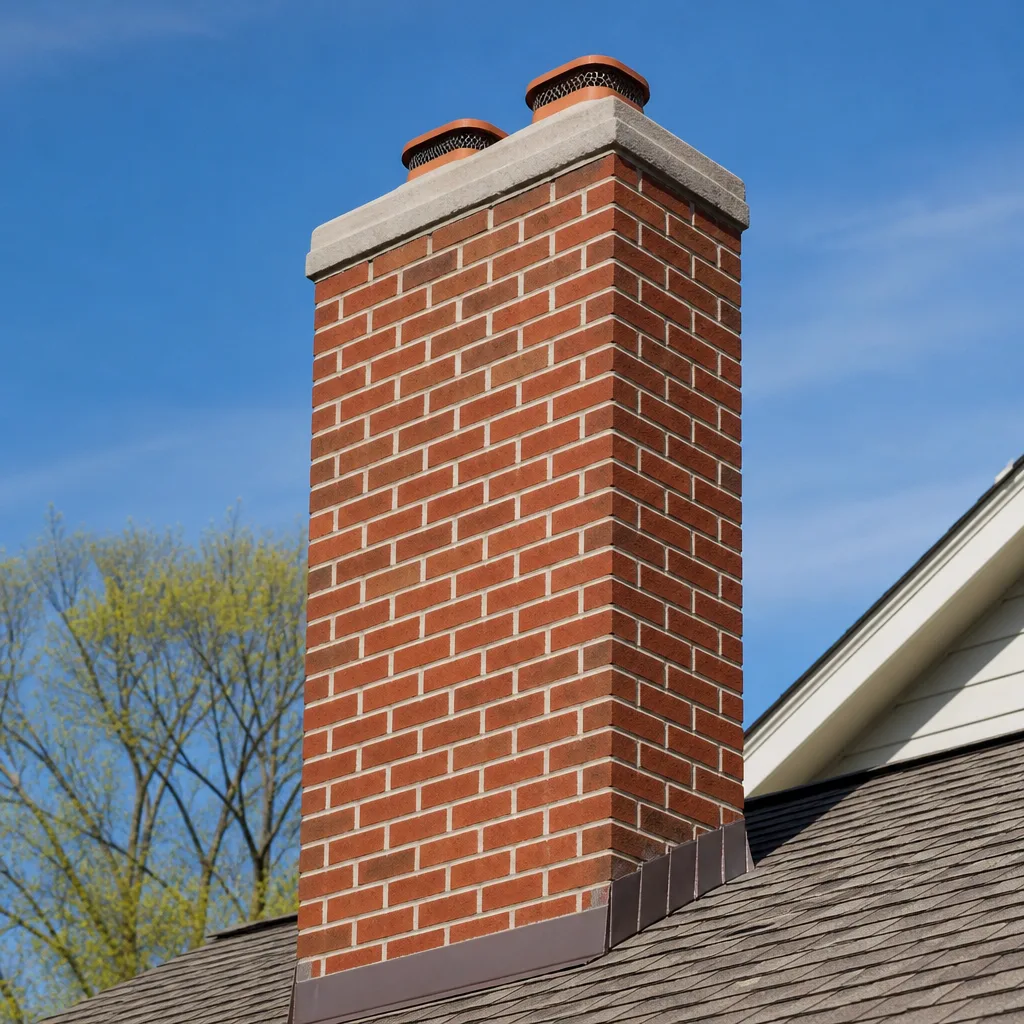 Masonry repair
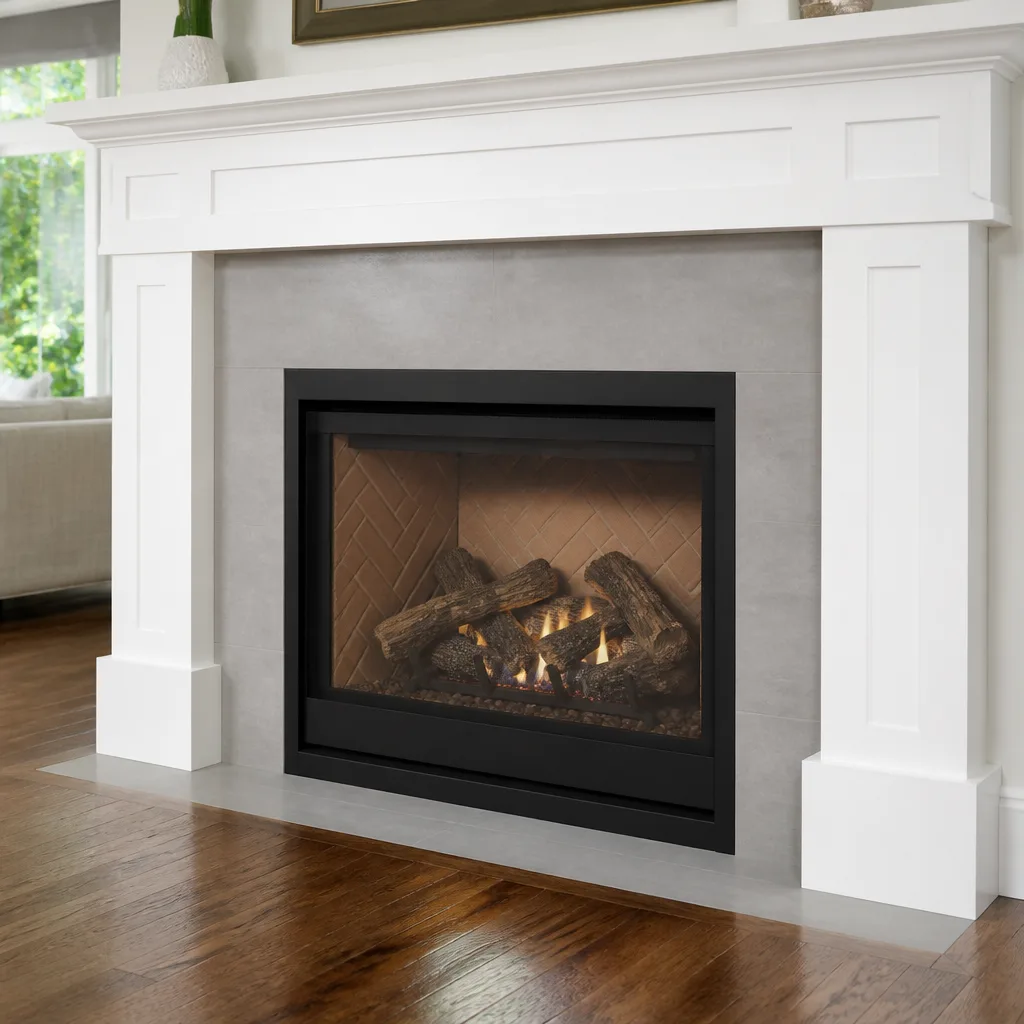 Gas fireplace service
Level 1 sweep and inspection to the NFPA 211 annual standard - flue, crown, cap, and flashing checked and photographed
Chimney sweep logs do not sweep chimneys. They loosen some creosote - which then falls where a brush and vacuum still have to collect it.
The Complete Guide to Chimney Cleaning in Fontana
Most chimney fires don’t start during a roaring winter blaze. They ignite in the dead heat of a Fontana summer, fed by months of unburned creosote sitting in a flue that saw only occasional use during the Inland Empire’s short, mild burning season. Homeowners assume dormant fireplaces are safe fireplaces. That assumption is what turns a routine cleaning into a structural repair, or worse. This guide will walk you through exactly what builds up inside a Fontana chimney, how the local climate changes the deposit profile compared to coastal or mountain homes, and why the order of a proper sweep matters more than most people ever hear about. For more guides & resources, visit our blog.
Quick Answer
Chimney cleaning in Fontana typically costs between $180 and $350 for a standard sweep and Level 1 inspection, and most jobs take 60 to 90 minutes. Because Fontana’s intense summer heat cycles and seasonal wildfire smoke alter how creosote and particulate accumulate, fireplaces here should be inspected annually even if you only burn a few fires each year. If you haven’t had your flue looked at in over two years, schedule a sweep before the next burning season.
Styles & brands we work with
Table of Contents
- What Actually Builds Up in a Fontana Chimney
- How Fontana’s Climate Changes Chimney Deposits
- Gas Fireplace Flues Collect Different Problems Than Wood Flues
- The Wildfire Smoke Factor Most Guides Ignore
- Level 1 vs Level 2 Inspections: When Fontana Homes Need Each
- The Full Cleaning Sequence: Smoke Chamber to Firebox
- How Often Should You Clean a Chimney in Fontana?
- Signs Your Fontana Chimney Needs Attention Now
What Actually Builds Up in a Fontana Chimney
Chimney deposits come in three main forms, and Fontana homes see all of them in different ratios depending on what gets burned and how often the fireplace is used. Knowing what’s in your flue tells you how urgent the cleaning is.
Creosote is the tar-like residue left behind when wood smoke cools and condenses on the flue’s interior walls. It has three stages. Stage one is a flaky, soot-like film. Stage two is a granular, crunchy deposit that already poses a fire risk. Stage three is a hardened, glazed layer that looks like baked-on tar and often requires chemical treatment or mechanical removal beyond a standard brush sweep. Stage three creosote ignites at roughly 2,000°F and burns intensely once lit.
Soot is the soft, black powder left by incomplete combustion. It’s less dangerous than creosote on its own, but in Fontana’s dry heat, soot can cake onto previous creosote layers and accelerate buildup. Soot also carries trace amounts of whatever was burned, including manufactured log additives and paper products.
Debris and blockages round out the list. Bird nests, squirrel bedding, leaves, tennis balls, and even small branches from nearby palm and pepper trees find their way into uncapped flues. Fontana’s neighborhoods near the foothills see more nesting activity than flatland areas, especially in spring when rookeries are active.
Every one of these deposits behaves differently during removal. A sweep that treats them all the same leaves residue behind, and that residue compounds with every subsequent fire. We’ve seen flues in Fontana homes that looked reasonably clean on a camera pass but were hiding glazed creosote in the smoke chamber because the previous sweep skipped the hard-to-reach sections.
How Fontana’s Climate Changes Chimney Deposits
Fontana’s climate is defined by extremes: daytime summer temperatures routinely top 100°F for weeks straight, while winter nights can dip into the 40s and occasional low 30s. Those swings shape how chimney deposits form, cure, and bond to flue surfaces differently than in coastal California communities or wetter northern climates. A Chimney Sweep in Fontana sees this pattern constantly: creosote here tends to be drier, harder, and more fractured than the gummy deposits found in humid coastal homes.
Here’s what the temperature cycles do to your flue:
- Thermal expansion stress: Clay tile flue liners expand in the summer heat and contract on cold winter nights. Over years, this movement causes hairline cracks. A cracked liner doesn’t just leak heat. It exposes the masonry behind it to creosote penetration and can allow combustion byproducts into the home’s wall cavities.
- Dry creosote fracturing: In humid climates, creosote stays pliable. In Fontana’s single-digit humidity, it dries into a brittle, glassy layer that fractures like old paint. Those fractures create jagged edges that catch more particulate, accelerating buildup faster than a smooth, humid-climate deposit would.
- Off-season baking: When outside temperatures hit triple digits, the inside of an attic-exposed chimney can exceed 140°F. That heat bakes deposits onto the flue walls, making them tougher to remove with a standard wire brush. We often need rotary cleaning heads with stiffer bristle options for Fontana flues that have baked through multiple summers.
- Infill and settling: Fontana’s soil, particularly in newer developments on former agricultural land, undergoes seasonal expansion and contraction. Foundation settling can shift chimney stacks by millimeters, opening hairline gaps at the roofline that let dust and wildlife in. A Level 2 inspection catches this kind of movement before it becomes structural.
What this means in practical terms: a fireplace used only ten times last winter may still have significant deposit buildup by August, because the off-season heat has cured and cracked whatever residue those ten fires left behind. Waiting until fall to think about chimney cleaning in Fontana CA means dealing with months of compounded hardening.
Gas Fireplace Flues Collect Different Problems Than Wood Flues
There’s a persistent belief that gas fireplaces don’t need chimney cleaning because they don’t produce creosote. That’s only half true. Gas flames don’t create wood creosote, but gas fireplace flues in Fontana develop their own set of problems that require professional attention just as regularly as their wood-burning counterparts.
What accumulates in a gas flue:
- Mineral scale and efflorescence: Gas combustion produces acidic water vapor as a byproduct. In a properly drafting flue, that vapor escapes. When venting is even slightly restricted, the vapor condenses inside the flue and reacts with masonry, creating white mineral deposits. These deposits narrow the flue passage over time, reducing draft efficiency and pushing combustion byproducts back into the living space.
- Dust accumulation on burner assemblies: Fontana’s dry, windy conditions put a constant fine layer of dust in the air, especially during Santa Ana wind season in fall. That dust settles on gas burner ports, log sets, and pilot assemblies. Left unchecked, blocked ports cause uneven flame patterns and inefficient combustion, which paradoxically creates more soot, not less.
- Nesting materials in vented gas flues: Even gas fireplaces need proper flue caps and spark arrestors. An uncapped gas flue is an open invitation to birds and rodents, and the resulting blockages affect gas venting exactly the same way they affect wood smoke venting.
- Cosmetic sooting on media: Ceramic logs and glass fronts develop a film of fine soot over time, particularly if the gas-to-air ratio drifts out of spec. This soot isn’t a fire hazard at the same level as creosote, but it signals incomplete combustion that needs a service call.
We clean gas fireplace flues differently from wood flues. The brush density, the cleaning agents, and the inspection checklist all change. A company that treats a gas flue like a wood flue is going through motions without addressing what’s actually happening in the system. For Fontana homeowners with gas inserts or gas log sets, an annual service call that includes burner cleaning, thermocouple testing, and flue verification should be as routine as changing smoke detector batteries.
The Wildfire Smoke Factor Most Guides Ignore
Fontana sits in a wind corridor that draws smoke from fires burning in the San Gabriel Mountains, the San Bernardino National Forest, and the Cajon Pass directly across the city. Even in years when local fires are minimal, wildfire smoke from Northern California and the Central Valley drifts into the Inland Empire and settles as fine particulate across the region.
What does this have to do with your chimney? More than most people realize.
Wildfire smoke carries fine particulates, ash, and combustion byproducts that are far finer than the wood smoke your own fireplace produces. When that smoke drifts through your neighborhood during a fire event, it enters your home through every available pathway, including your chimney flue. If your damper isn’t fully sealed, or if you have a flue with hairline cracks, that fine particulate infiltrates the system and deposits itself on the flue walls.
Those deposits then interact with the next fire you burn. Fine wildfire ash acts as an accelerant for creosote formation because it provides a high-surface-area substrate for tar condensation. In practical terms, a Fontana home that burns ten fires per year but experienced two weeks of heavy wildfire smoke drift may have creosote levels equivalent to a home that burned 30 fires in a smoke-free area.
We saw this pattern clearly after the 2023 and 2024 regional fire seasons. Flues that should have been clean based on usage showed measurable new particulate deposition during sweeps, particularly in homes near the 210 and 15 freeway corridors where wind patterns concentrate drift. If you live in Fontana and can smell wildfire smoke outside, assume your chimney system is collecting some of it, even if your fireplace hasn’t been lit in months.
This is also why camera inspection matters. A visual up-the-chimney check doesn’t show wildfire particulate accumulation the way a proper video scan does. The deposits are too fine to see with a flashlight, but they’re present and measurable. For complete Chimney Repair in Fontana care after wildfire events, a thorough inspection identifies what the smoke left behind before it becomes a problem.
Level 1 vs Level 2 Inspections: When Fontana Homes Need Each
The National Fire Protection Association (NFPA) defines three inspection levels, and homeowners often hear these terms without understanding when each one applies. Here’s what they mean in practical terms for a Fontana home.
Level 1 Inspection is the standard annual check. It covers all readily accessible portions of the chimney interior and exterior. We look at the flue liner surface, the smoke chamber, the damper, the firebox, and the visible exterior masonry. No special tools are required beyond a flashlight, a mirror if needed, and our standard sweep equipment. A Level 1 is appropriate when:
- The chimney has been in continuous service under the same conditions
- No changes have been made to the system since the last inspection
- It’s part of a routine annual maintenance visit
- The home hasn’t experienced any seismic events, water intrusion, or fireplace malfunction
Level 2 Inspection is more involved and uses specialized equipment, primarily video scanning. We run a camera through the full flue length, documenting liner condition in real time. A Level 2 is warranted when:
- The property is being sold or transferred
- The home experienced an earthquake (relevant for Fontana homeowners near the San Andreas and Cucamonga fault zones)
- A chimney fire has occurred
- The fuel type is changing (for example, converting from wood to gas)
- The flue was relined since the last inspection
- Severe weather, lightning, or tree impact may have damaged the structure
- A Level 1 inspection turned up a condition that needs closer examination
For most Fontana homeowners, the practical takeaway is simple: annual maintenance calls for a Level 1. Any time the system changes, the home changes hands, or something unusual happens, move up to Level 2. The video documentation from a Level 2 also gives you a record of liner condition that becomes genuinely useful if you ever need to file an insurance claim after a chimney fire or structural issue.
When we perform a Level 2, we also check vent termination height requirements against Fontana building codes, verify proper clearance to combustibles in the attic space, and inspect the chimney crown and flashing condition from the roof. These are the items that get missed in a quick sweep-and-go, and they’re the items that turn into expensive repairs when overlooked for years.
The Full Cleaning Sequence: Smoke Chamber to Firebox
A proper chimney sweep is a sequence, not a single action. Skipping steps creates hidden hazards that look fine from the firebox but are waiting to cause problems higher up. Here is the complete order we follow on every Fontana chimney cleaning.
- Protect the home: Drop cloths go down around the fireplace opening. The firebox gets covered with a soot barrier. We use a HEPA-filtered vacuum for dust control, because Fontana’s dry conditions make chimney soot drift further and settle faster than in humid climates.
- Inspect before cleaning: A visual look at the accessible portions of the flue identifies any unexpected conditions, blockages, wildlife, or structural issues that change the cleaning approach. This is also when we choose brush type and size.
- Clean the firebox: Remove all ash and debris from the firebox floor. Ash left in place absorbs moisture and creates acidic conditions that eat masonry over time. Soot and creosote residue on firebox walls gets scrubbed down.
- Clean the smoke chamber: This is the transition zone above the damper where smoke swirls before entering the flue proper. It’s also the area most frequently skipped by rushed sweeps. The smoke chamber’s corbeled brick construction creates dozens of ledges and pockets where creosote accumulates. We use specialized smoke chamber brushes and vacuum extraction to clear every ledge.
- Brush the flue: Starting from the top or bottom depending on system configuration, we run a properly sized wire or poly brush through the full flue length. For baked-on stage two or stage three creosote common in Fontana’s dry heat, we switch to a rotary cleaning head that scrubs rather than just pushes.
- Clean the damper assembly: The damper is a mechanical component that needs to stay functional. Creosote buildup on damper hinges prevents full closure, which means heated air escapes up the chimney all summer while your AC works harder. A sticking damper is also a safety issue if you can’t fully open it during a fire.
- Vacuum everything: The final extraction pass pulls loose debris from the firebox, smoke shelf, and damper area. We use commercial soot vacuums with enough suction power and filtration to handle the fine particulate that household vacuums would simply redistribute.
- Post-clean inspection: After the system is clear, we perform the inspection portion of the visit. If this is a Level 1 sweep, that means a visual check of cleaned surfaces. If a Level 2 was scheduled, the camera goes in now, after cleaning, when liner condition is actually visible.
- Report and photograph: You get a written report of what was removed, what the system condition is, and any repair recommendations. We include photos or video stills so you have a record. If we identify a problem, you see it too, not just a line item on an invoice.
The sequence matters because cleaning first, then inspecting gives you accurate liner assessment. Inspecting a dirty flue hides cracks and gaps under soot. Cleaning after inspection covers nothing up. Some companies reverse this order, and the result is a clean chimney with unreported liner damage that goes unnoticed until it becomes dangerous.
How Often Should You Clean a Chimney in Fontana?
The NFPA’s guidance is straightforward: chimneys, fireplaces, and vents should be inspected at least once a year, and cleaned as needed based on what the inspection finds. For Fontana’s specific conditions, that annual rhythm matters even for light-use fireplaces.
Wood-burning fireplaces: Sweep after every cord of wood burned, or once a year at minimum, whichever comes first. A cord is roughly 128 cubic feet of stacked wood. Most Fontana homes burn far less than a cord per season, which means annual cleaning covers their needs. But if you burn manufactured logs (like Duraflame or similar brands), understand that these produce a waxy creosote variant that adheres aggressively to flue walls. Homes burning manufactured logs exclusively may need cleaning more often than heavy wood burners.
Gas fireplaces and inserts: Annual inspection and service. Gas flues don’t need brushing as often, but the burner assembly, thermocouple, pilot, and glass front do need servicing. The flue should still be video-inspected every two years minimum to catch efflorescence and condensation damage.
Dual-fuel or conversion setups: If a previous owner converted a wood fireplace to gas or vice versa, the flue needs particular attention. Conversion changes the combustion profile, and the old wood-era deposits interact with new gas-era byproducts in ways that accelerate liner deterioration. Our Ashwood Chimney Sweep home service area sees many Fontana homes with conversion histories, and these are disproportionately represented in liner repair cases.
Dryer vents: While technically a separate system from your chimney, Fontana homes should treat Dryer Vent Cleaning in Fontana with the same annual frequency. Dryer lint combined with Fontana’s dry air creates a fast-igniting fuel source inside the vent run. The U.S. Fire Administration documents roughly 2,900 dryer fires annually nationwide, and the majority stem from clogged vents. If your dryer takes longer than a single cycle to dry a normal load, the vent is telling you it’s time.
Signs Your Fontana Chimney Needs Attention Now
Annual maintenance is the standard, but certain warning signs demand immediate attention regardless of when your last sweep happened. Trust these signals when they appear.
- You smell smoke after the fire is out: A properly drafted chimney pulls all smoke up and out. If you smell smoke lingering in the room hours after the fire, the flue isn’t drawing properly. This can mean creosote buildup, a blocked flue, or a damper problem.
- Smoke enters the room during fires: This is beyond an annoyance. It means combustion byproducts, including carbon monoxide, are entering your living space. Stop using the fireplace and call for inspection immediately.
- Black flaky residue visible from the firebox: If you can reach up and touch a black, textured surface inside the firebox walls or flue opening, that’s creosote in stage two or three. It should not be there in visible quantities. Burning at this point means every fire adds to a growing fire hazard.
- White staining on exterior masonry: White powder or crystalline staining on the outside of your chimney is efflorescence, and it indicates water intrusion through the chimney system. In Fontana’s dry climate, visible efflorescence means the water problem has been ongoing long enough to overcome the aridity. That water is damaging mortar and liner alike.
- Rust on the damper or firebox components: Rust tells you condensation is forming inside the system when it shouldn’t be. For gas fireplaces especially, rusted dampers or burner components indicate acidic condensation that’s actively eating the system.
- Debris falling into the firebox: Any visible debris, animal droppings, or nesting material means the flue cap is compromised or missing. Wildlife inside the chimney is a health hazard and a blockage risk. Don’t light a fire until the flue is cleared and a proper cap is installed.
- Your carbon monoxide detector activates near the fireplace: Treat any CO alarm as a potential chimney venting failure until proven otherwise. Evacuate, open windows, and have the system professionally inspected before using the fireplace again.
Every one of these signs is something we see regularly during inspections in Fontana homes, and every one of them has a fix that gets more expensive the longer it’s ignored.
Common Mistakes to Avoid
- Skipping the smoke chamber during the sweep: The smoke chamber collects creosote faster than the flue proper because of its corbeled, ledge-covered design. If your sweep only brushes the flue and vacuums the firebox, you’re paying for half a cleaning. Ask specifically whether the smoke chamber gets brushed.
- Using a big-box store log and calling it a chimney sweep: Chemical sweeping logs can soften some creosote, but they don’t actually remove deposits. They’re a maintenance supplement, not a substitute for mechanical cleaning. In Fontana’s heat-baked conditions, even chemical softening often isn’t enough without mechanical follow-up.
- Burning pine or other softwoods because “it’s just a fire”: Softwood produces more creosote per cord than hardwood because it burns cooler and produces more resin-laden smoke. If you’re burning unseasoned pine from local big-box stores, you’re compounding your creosote problem with every fire. Burn seasoned hardwood and keep fires hot enough to push smoke up the flue quickly.
- Closing the damper too soon after a fire: The damper should stay open until the fire is completely out and no embers remain. Closing it early traps smoke and residual combustion gases inside the home. A closed damper on a warm flue also accelerates condensation inside the flue, creating the kind of acidic buildup that damages liners.
- Ignoring dryer vent cleaning because “the lint trap catches everything”: The lint trap catches only what it catches. The rest travels past the trap and into the vent line, where it accumulates against the pipe walls. Fontana’s dry air makes this lint ignite more readily. If your dryer’s exterior vent flap isn’t opening fully during cycles, the line is partially blocked.
- Assuming a gas fireplace means zero maintenance: Gas fireplaces still need annual service. The burner ports clog with dust, the thermocouple degrades, and the flue develops condensation deposits. A “gas fireplace with no maintenance” is how Fontana homes end up with carbon monoxide problems that could have been prevented with a simple annual service.
- Waiting until fall to schedule a sweep: Fontana’s fall is also Santa Ana wind season, which means wildfire smoke drift and dusty conditions. Scheduling your sweep in late summer means your chimney is clean before the season’s first smoke event, not after it. And you’ll beat the fall rush that fills up chimney service calendars every year.
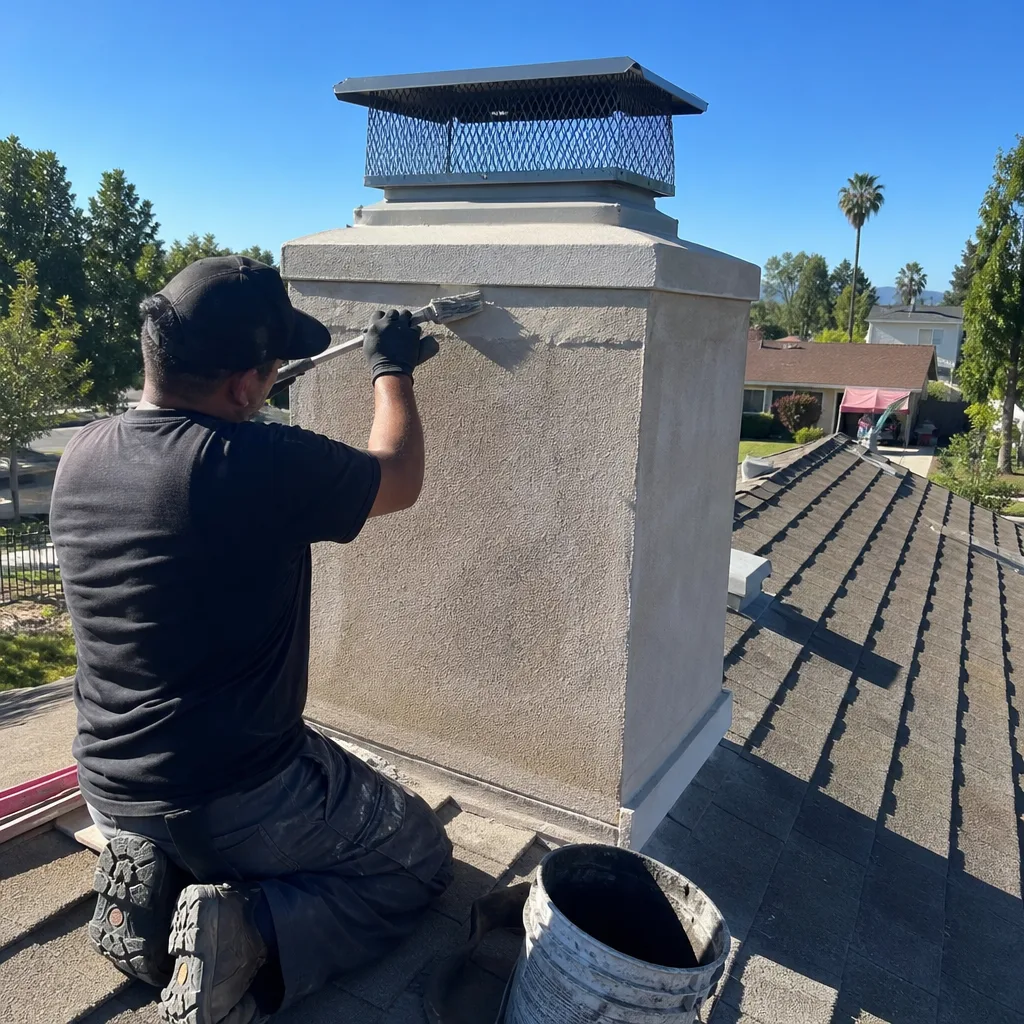
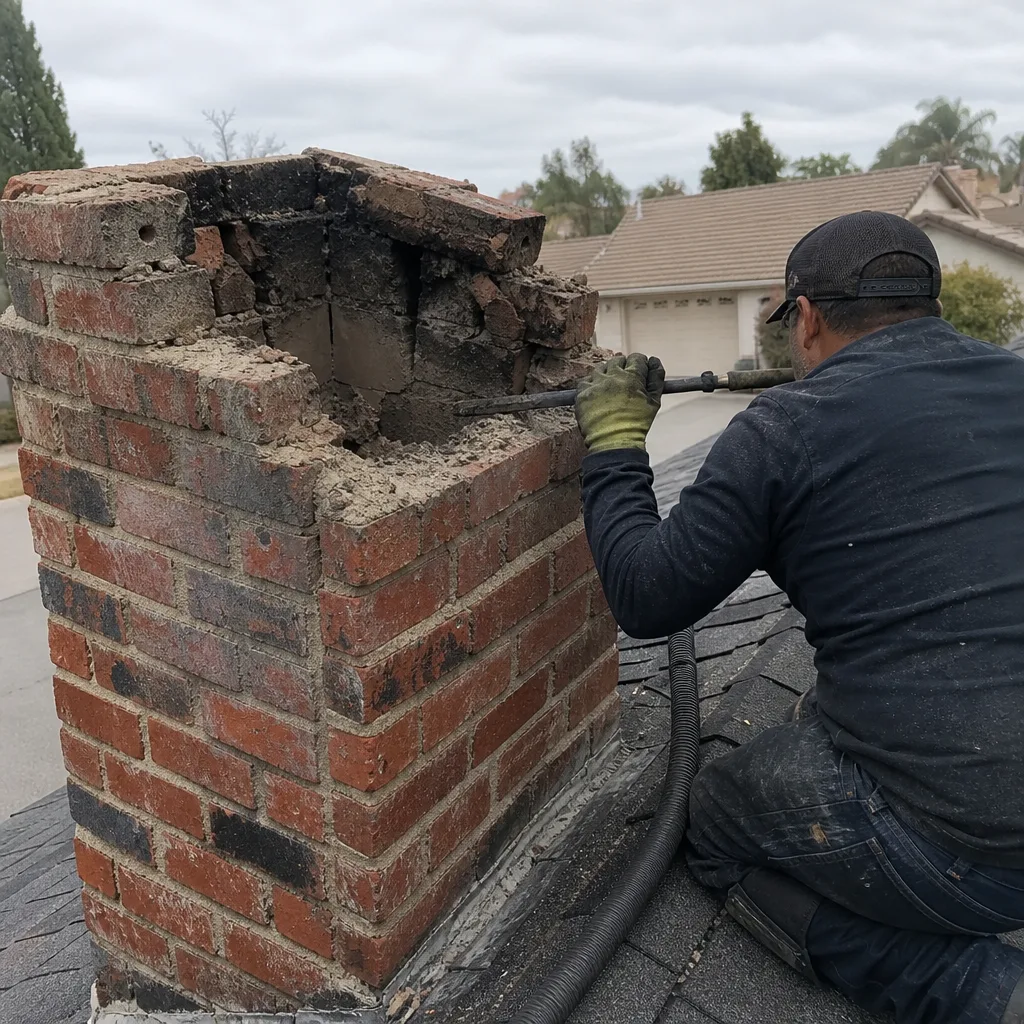
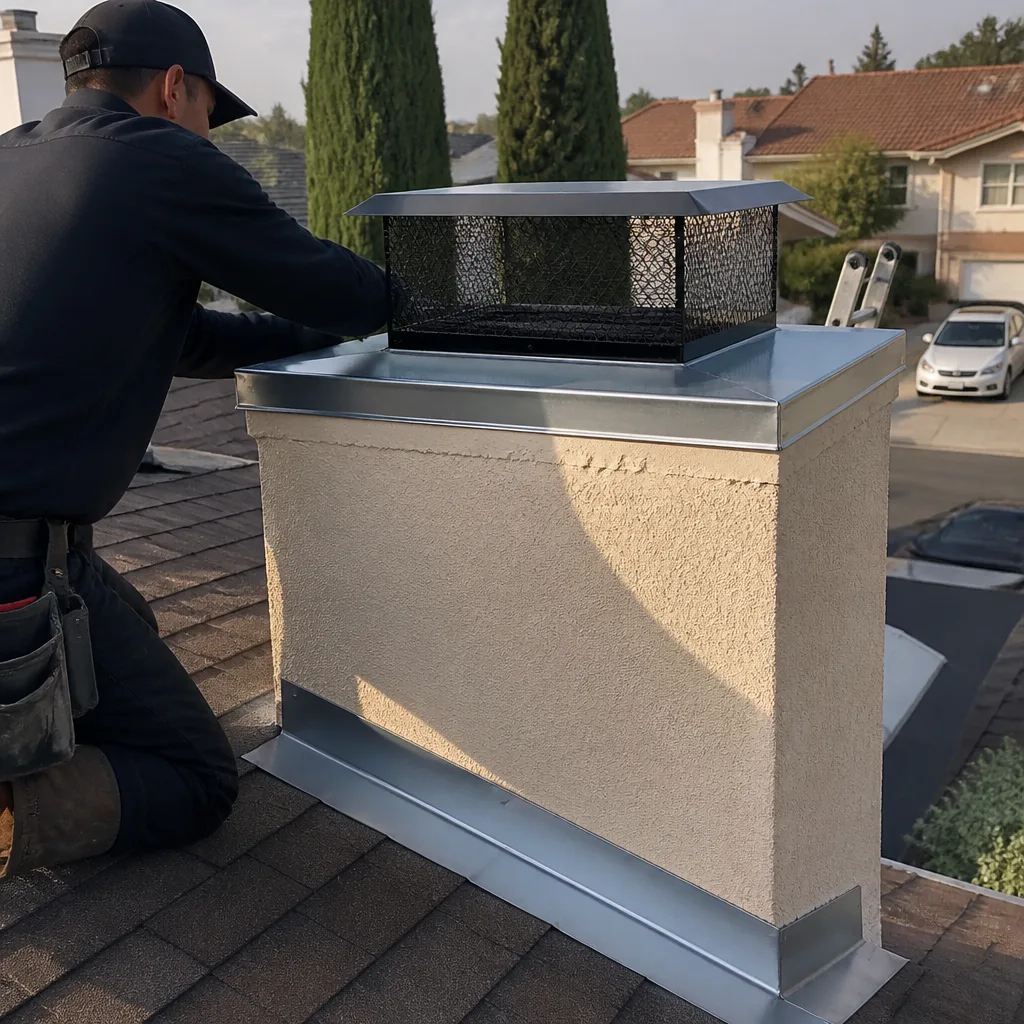
See the difference
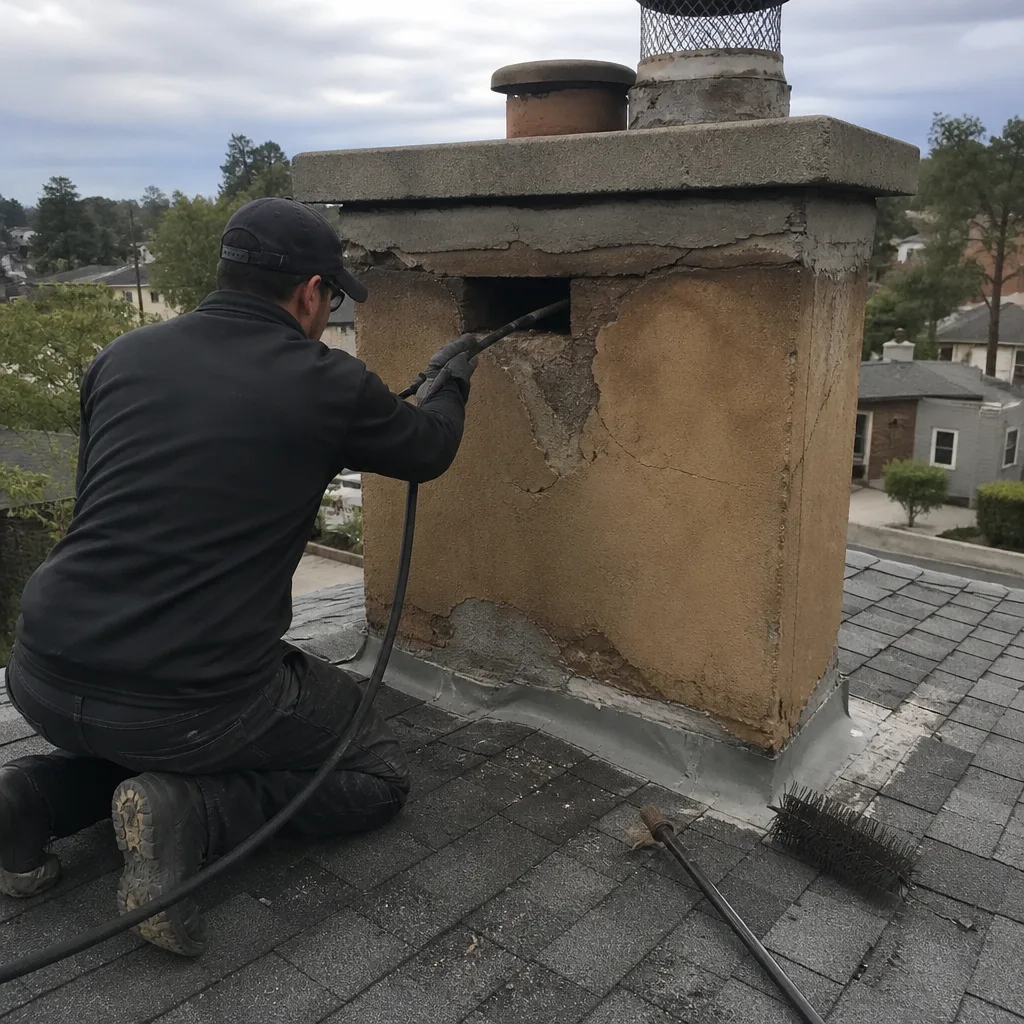 Before
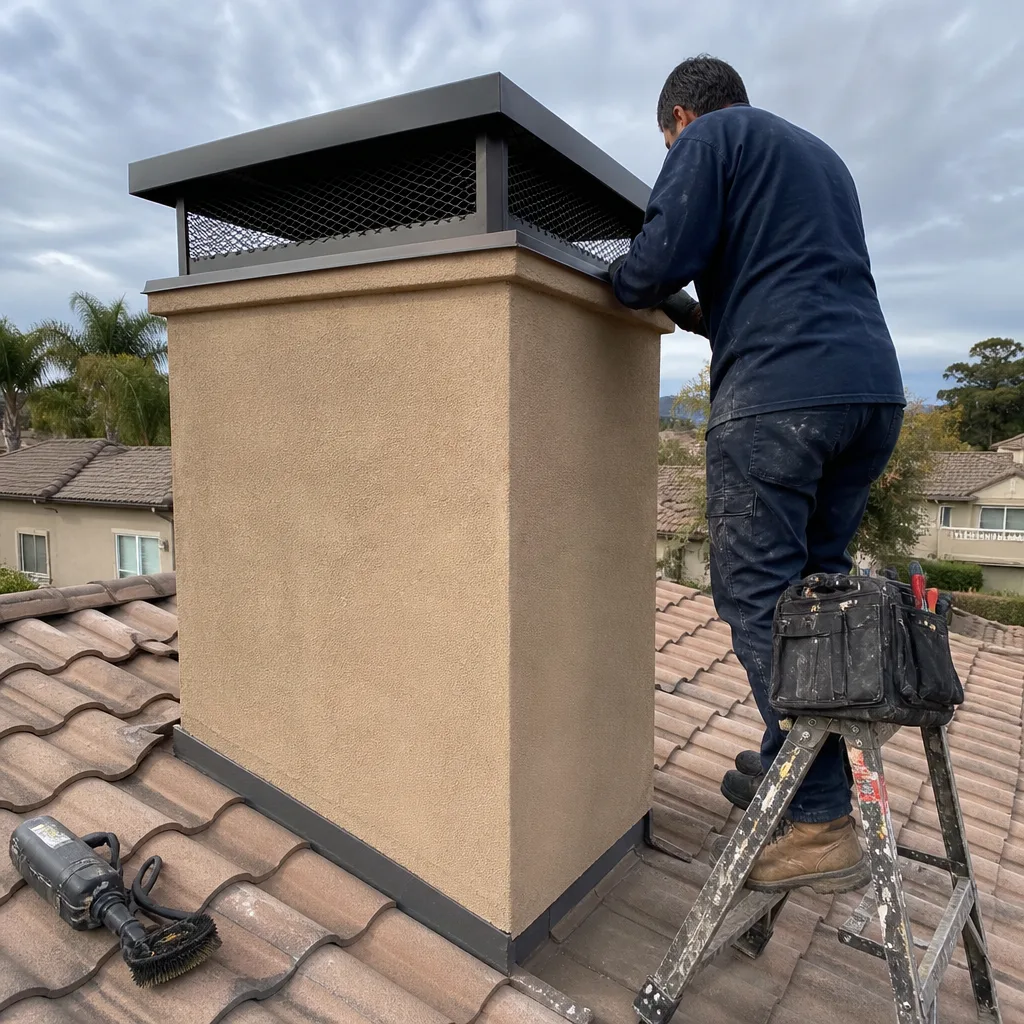 After
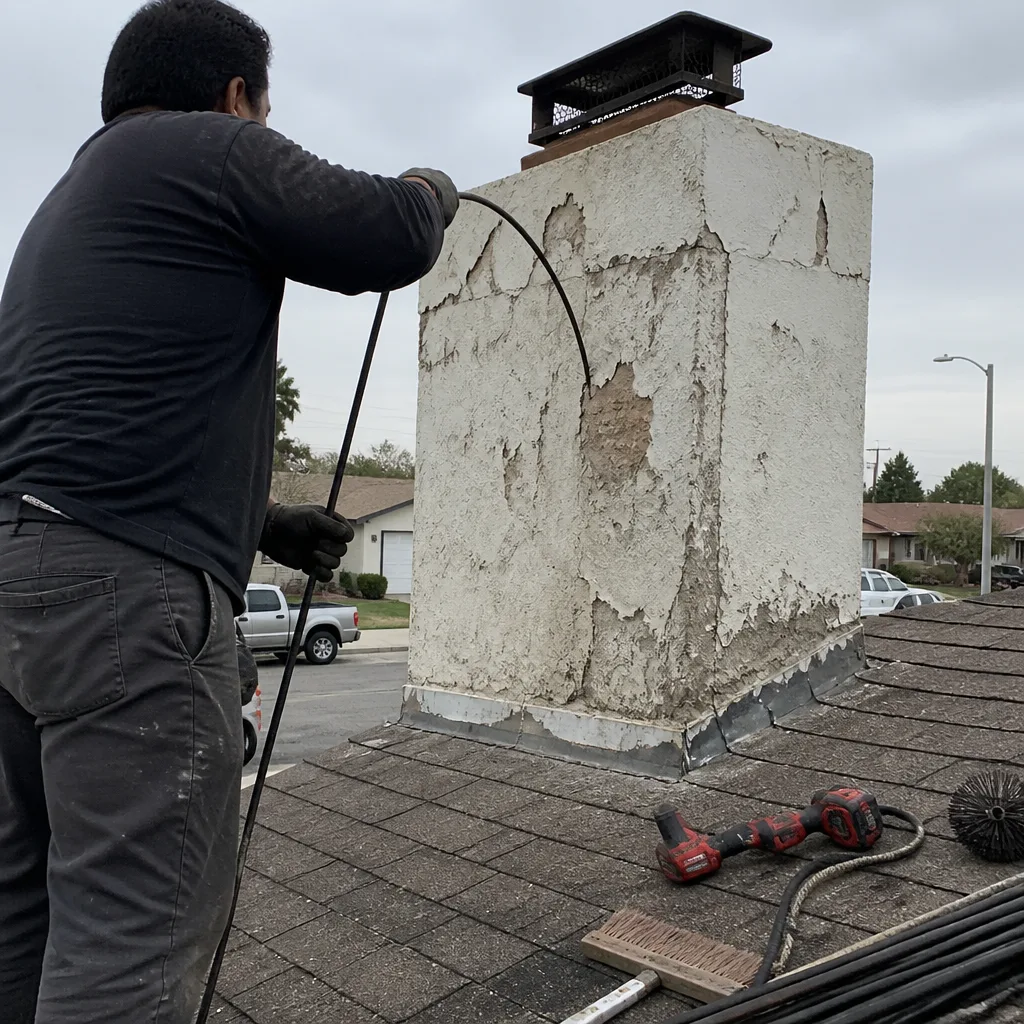 Before
 After
 Before
 After
When to Call a Professional
Some jobs are safe to handle yourself, and then there’s chimney work. The interior of your flue is a confined space lined with combustion residue. Proper cleaning requires specialized brushes sized to your flue dimensions, commercial soot vacuums with HEPA filtration, and the knowledge to identify dangerous conditions as they are uncovered. A DIY sweep with a hardware store brush misses the smoke chamber, can damage clay tile liners, and gives you no inspection documentation for insurance or resale purposes. If you’ve noticed any of the warning signs above, or if it’s been more than 12 months since your last inspection, the answer is to have it done right. Ashwood Chimney Sweep offers free estimates in Fontana. Call (833) 805-3229 to schedule your sweep and inspection.
Frequently Asked Questions
A standard chimney sweep with Level 1 inspection typically runs between $180 and $350 in Fontana, depending on flue configuration, deposit severity, and whether roof access requires special equipment. For help choosing the right company, see How to Hire a Chimney Cleaning Contractor in Fontana: A Step-by-Step Guide. Level 2 inspections with video scanning add to the cost but provide documentation worth having when buying or selling a home. Call (833) 805-3229 for an exact quote based on your system.
You can technically run a brush through a flue, but doing it properly requires specialized equipment sized to your flue dimensions, professional soot extraction, and the training to identify stage two and three creosote that a homeowner might mistake for routine soot. Before deciding, read our DIY vs Professional Chimney Cleaning: The Fontana Homeowner’s Decision Guide. Improperly cleaned smoke chambers and unmaintained dampers are the two most common problems we find in DIY-cleaned chimneys. The safety risk of doing it wrong outweighs the cost savings.
Run a fireplace poker or similar tool along the inside wall of the firebox where it meets the flue. If a black, tar-like or flaky substance comes off on the tool, that’s creosote. Stage one feels like dust or fine soot. Stage two feels like coarse granules. Stage three looks like glossy, hardened tar. Any visible creosote in the firebox means there’s more in the smoke chamber and flue above.
Yes. Gas fireplaces don’t produce wood creosote, but they do produce acidic condensation deposits that erode flue liners, and their burner assemblies collect dust from Fontana’s dry, windy conditions. Annual service includes burner cleaning, thermocouple testing, and flue verification to keep the system venting properly and burning efficiently.
A skipped year means the existing deposits from previous fires stay in place through a full year of Fontana heat, which bakes them into harder, more adherent layers. For year-round maintenance tips, check out Seasonal Chimney Cleaning Care for Fontana: Year-Round Homeowner’s Guide. By the time you clean after a skip, the deposit is tougher to remove and may require rotary cleaning rather than standard brushing. If a home burns even moderately, skipping years can push the flue into stage three creosote territory, which is the condition most strongly associated with chimney fires. The honest answer: one skipped year is usually recoverable. Multiple skipped years often reveal liner damage that a maintained chimney would never have developed.
Yes. Ashwood Chimney Sweep offers dryer vent cleaning as a core service, not an add-on. We use professional-grade vent cleaning equipment, and we source our ventilation components from Famco, a manufacturer that supplies the professional trade. Your dryer vent is a fire-risk system with the same maintenance needs as your chimney, and Fontana’s dry air makes lint ignition a real concern. We treat both systems with equal seriousness.
The Bottom Line
Chimney cleaning in Fontana means dealing with a specific set of conditions: heat-baked creosote, wildfire smoke particulate, gas appliance condensation, and thermal stress from extreme temperature swings. The chimney systems in this region do better with annual professional attention that covers the full sequence from smoke chamber to firebox, not just a brush pass through the flue. Whether you’re cleaning for a wood fireplace, a gas insert, or both, the goal is the same: keep combustion byproducts moving out of your home safely and efficiently. If you’re in Fontana and want a sweep done right with the inspection documentation to prove it, call (833) 805-3229 for a free estimate.
Written by the team at Ashwood Chimney Sweep, serving Fontana since 2012.