
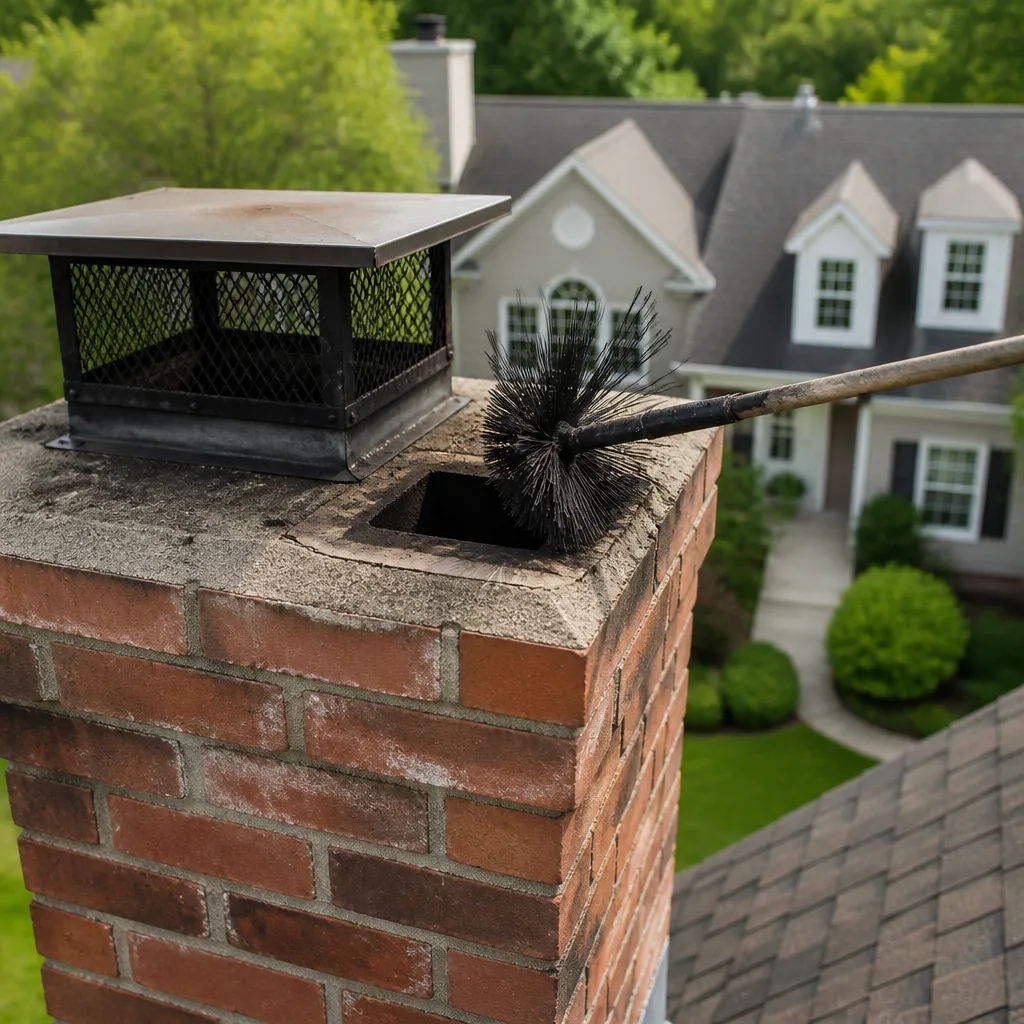
 Sweep & inspection
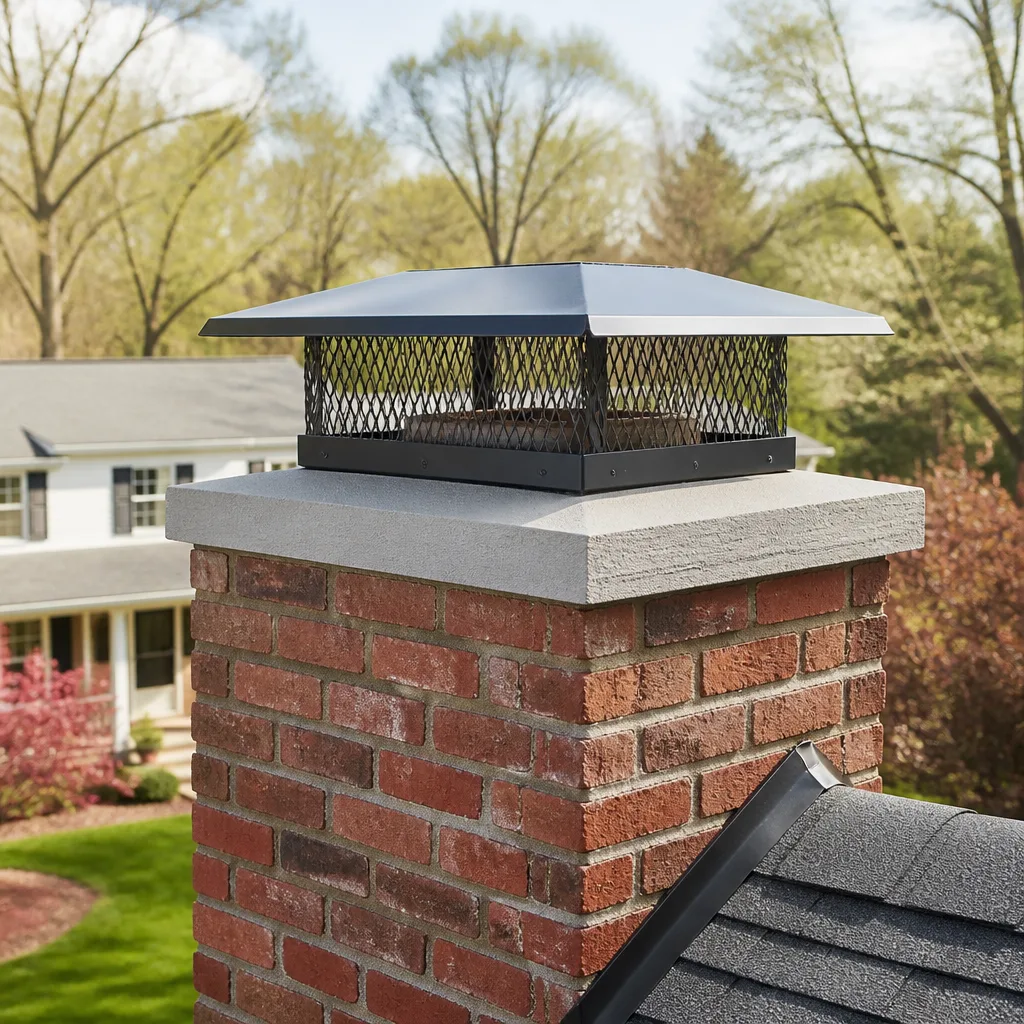 Caps & crowns
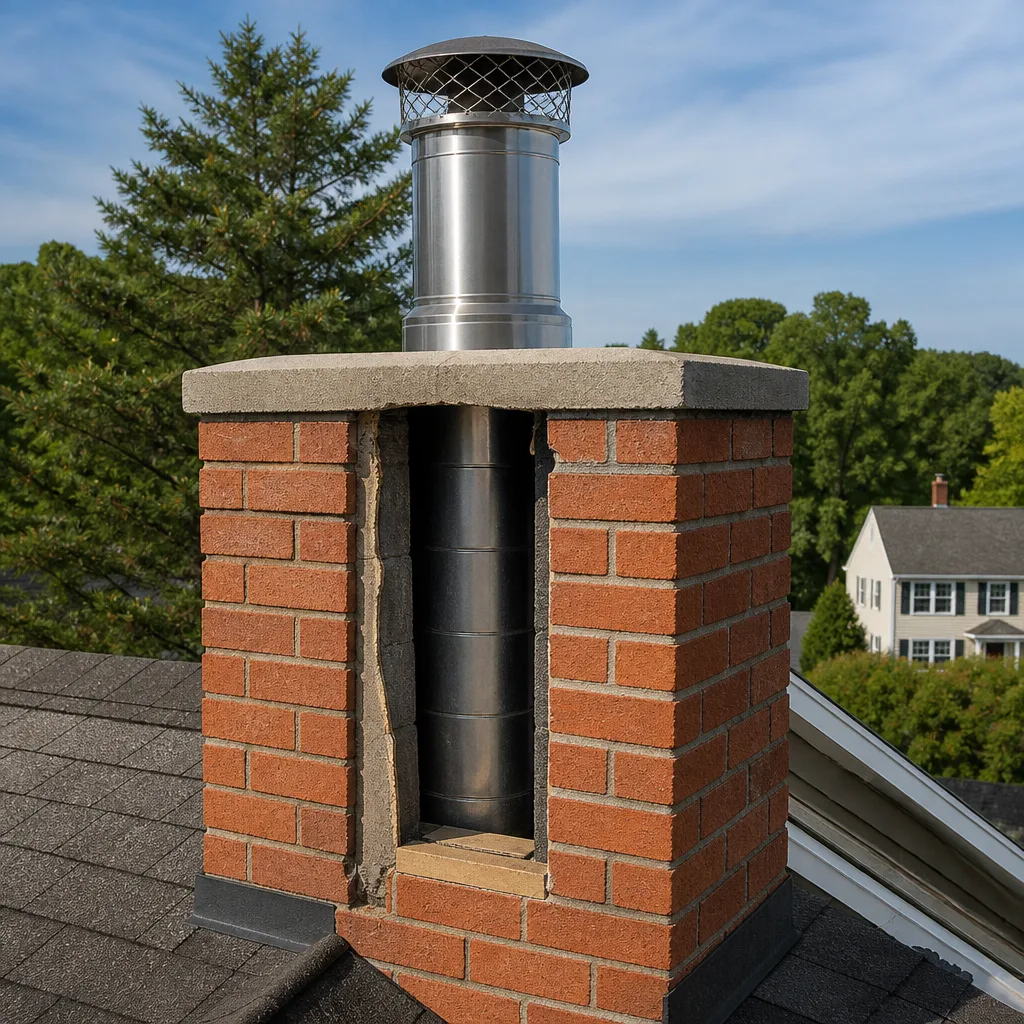 Flue relining
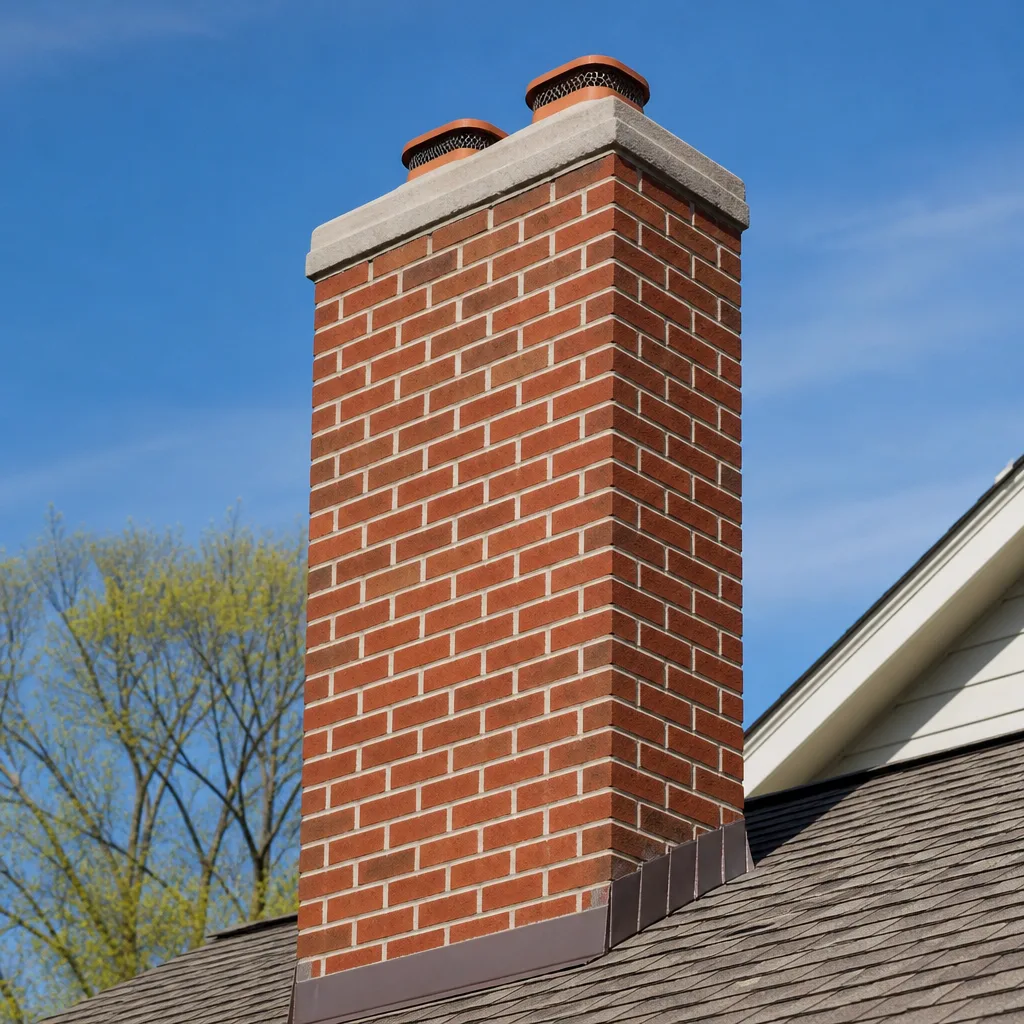 Masonry repair
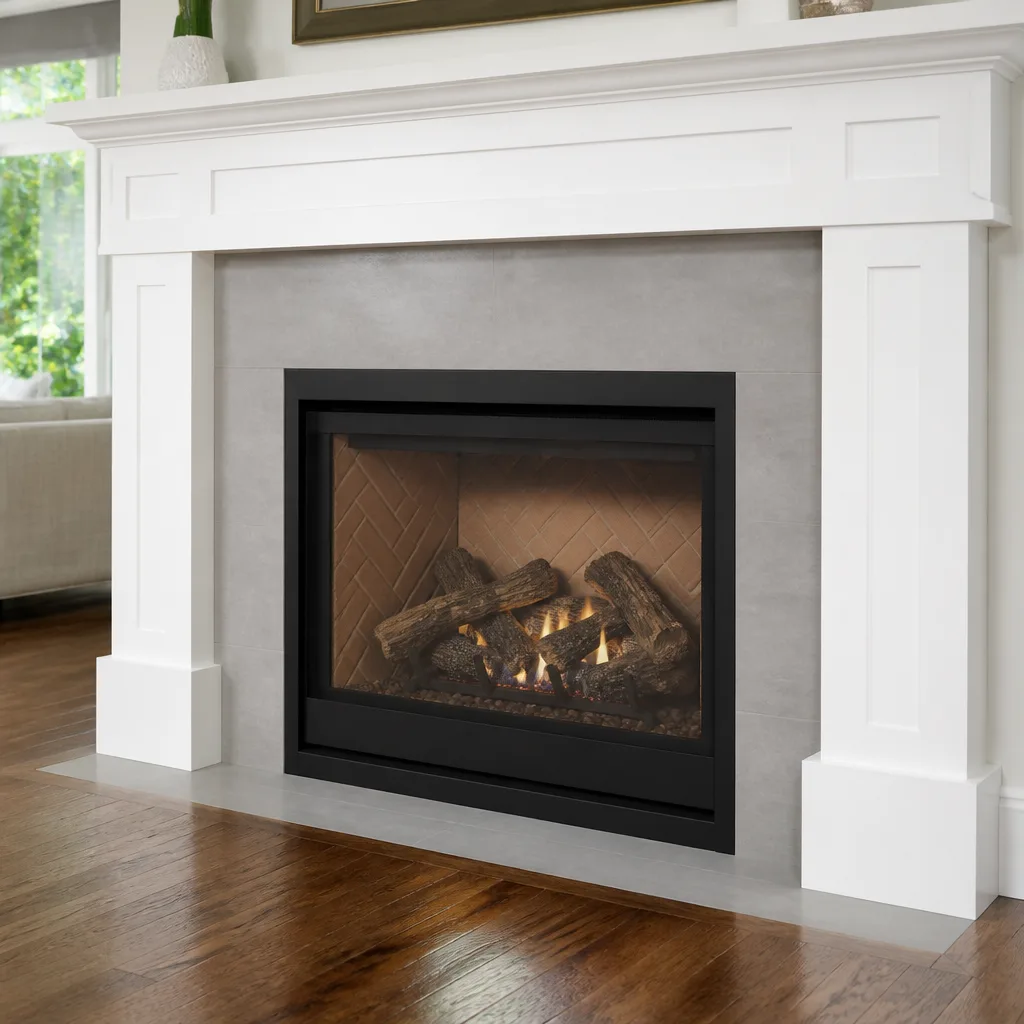 Gas fireplace service
Level 1 sweep and inspection to the NFPA 211 annual standard - flue, crown, cap, and flashing checked and photographed
Chimney sweep logs do not sweep chimneys. They loosen some creosote - which then falls where a brush and vacuum still have to collect it.
HeatShield Chimney Cleaning in Corona, CA | Ashwood Chimney Sweep
We provide independent HeatShield chimney cleaning and resurfacing service across Corona, including ZIP codes 92877, 92878, 92879, and 92880. What makes our HeatShield work different here is simple: Corona’s two-season pattern of winter creosote followed by Santa Ana wind debris means flue damage hides under material most regions never see. We use genuine HeatShield Cerfractory and Armor products and assess every flue on its merits, not a sales script. Call (833) 805-3229 for a free estimate.
Why Corona Residents Choose Us for HeatShield Service
HeatShield in Home Gardens is a specialist-grade flue resurfacing system, and most sweep companies simply don’t work with it. We do, daily. Norm Castillo, owner of Ashwood Chimney Sweep, built this company around the belief that a chimney contractor should be able to clean, inspect, and repair in one call, not hand off the hard part to somebody else. He came up through the HVAC and building systems program at Chaffey College in Rancho Cucamonga before narrowing his focus entirely to chimneys, flues, and venting, and he’s been at it for close to two decades across the Inland Empire.
Corona homeowners call us because we’re one of the few independents in this city that actually stocks HeatShield repair in El Cerrito Corona materials, keeps them on the truck, and applies them correctly. We don’t need a manufacturer rep to tell us whether a flue can be saved. We look at it with a camera, show you what we see, and tell you straight whether resurfacing is appropriate or the tile needs a rebuild. That’s the difference between a contractor who works with this system and one who’s heard of it.
We also carry the rest of the flue with us: caps, crowns, dampers, and the matched-quality aftermarket parts that keep a HeatShield lining dry and intact. When a Corona flue fails, it’s rarely one thing. It’s usually the resurfacing lifting at the edges because the crown cracked and let water in. We fix the whole system. Call (833) 805-3229 to schedule.
Styles & brands we work with
Common HeatShield Chimney Cleaning Problems We Solve in Corona
- Cerfractory flues spalling in 40-60 year old masonry chimneys. Corona’s mid-century tract homes near the historic downtown circle and along the 91 corridor were built with clay tile liners that are now well past their design life. When the original ceramic-composite lining starts spalling off in sheets above the smoke shelf, it’s a direct path for heat and gases into the chimney structure. We camera the flue, remove the loose material, and resurface with HeatShield Cerfractory where the damage is localized. If the spalling has destroyed more than 30 percent of the liner, we tell you honestly that a rebuild or full reline is the right move.
- Delamination at the smoke chamber transition. This is where creosote and moisture sit longest, and it’s the most common point of HeatShield-style lining failure we see in Corona. Santa Ana wind-driven grit and rain get pulled into hillside stacks, pool at the smoke shelf, and never fully dry. The resurfacing lifts, cracks, and lets heat reach the masonry. We sweep the chamber thoroughly, prep the surface, and apply HeatShield where it bonds properly, not over a wet substrate.
- Crown and flue-top failures that let water behind the lining. Homes backing up to the Santa Ana River and mountain canyons get wind-loaded year-round. A cracked crown with palm fronds packed against it holds moisture against the flue top, and that moisture tracks down behind the HeatShield layer. We recoat crowns with HeatShield Crown Seal, replace damaged caps with properly fitted aftermarket ones, and make sure runoff stays out of the stack.
- Hairline cracking along flue offsets in 1990s-2000s homes. The Dos Lagos and Eastvale-adjacent subdivisions have factory-built and masonry fireplaces that are now 20-25 years old, past their first or second full sweep, and showing first-generation lining wear. The jog in the flue tile is a stress point, and a Level 2 camera inspection often finds fine cracks there that the previous sweep missed. HeatShield Armor, the higher-build formulation, handles these localized cracks well when the surrounding tile is still sound.
- Birds, squirrels, and debris displacement in uncapped flues. Corona’s hot off-season means critters look for cool, dark places. Unsurprisingly, they find uncapped flues and build nests on top of smoke shelves, against dampers, and inside flue offsets. A fall sweep on these chimneys is as much wildlife removal as it is creosote removal. We clear the cap, remove the nesting material, check the HeatShield layer for damage the animals may have caused, and cap the flue properly so it doesn’t happen again.
One more thing worth knowing: every one of these problems looks smaller than it is until a camera gets inside the flue. We don’t guess. We show you the footage, explain what it means, and give you a straight answer about what needs doing and what can wait.
HeatShield Service in Corona: What Local Conditions Mean for Your Equipment
Corona sits where the Inland Empire’s flat valley tilt collides with the Santa Ana Mountains, and that geography does something specific to chimneys. Every fall, the Santa Ana winds push ash, fine grit, leaf litter, and palm frond debris against caps and into flue openings across hillside neighborhoods off the 91 toward the Cleveland National Forest edge. Then winter comes, and those same fireplaces get loaded with wood and produce heavy creosote. By spring, the flue is a layer cake: last winter’s creosote at the bottom, a summer’s worth of wind-driven dust and fire-season ash pressed into the cap and upper flue, and often a squirrel or bird nest in between. No single-season climate loads a flue like that.
For HeatShield repair in Eastvale and Corona owners, this matters more than it would in a flatter city. The resurfacing layer sits under all that debris. Palm frond grit is abrasive, and when wind pushes it down the flue, it scours the ceramic surface. Ash from fire season is mildly alkaline and holds moisture when the morning marine layer rolls in. On a hillside Corona chimney with a cracked crown or a poorly fitted cap, that moisture penetrates behind the HeatShield layer and lifts it at the edges before you ever see a problem from the fireplace side. A sweep that only removes creosote misses all of it. Our Level 2 camera inspection looks for exactly this kind of hidden delamination, because in Corona it’s not a rare failure, it’s the expected one.
HeatShield Models & Products We Service in Corona
We work with the full HeatShield product family: HeatShield Cerfractory Flue Sealant, the original ceramic-composite resurfacing system most common on older masonry chimneys; HeatShield Armor, the higher-build formulation for flues with deeper spalling or heavier damage; HeatShield Crown Seal and Crown Coat for flue-top and crown repair; and HeatShield smoke chamber and damper-area applications. We follow the manufacturer’s prep, cure, and application specs because the chemistry and thickness matter on a ceramic resurfacing product. For caps, dampers, and crowns where HeatShield doesn’t make the part, we use matched-quality aftermarket hardware from the professional trade brands we carry. Everything we need for a standard Corona HeatShield job is on the truck, which means less back-and-forth and fewer return visits. For broader HeatShield sales & service coverage, we can also discuss resurfacing on chimneys outside the immediate Corona limits.
See the difference
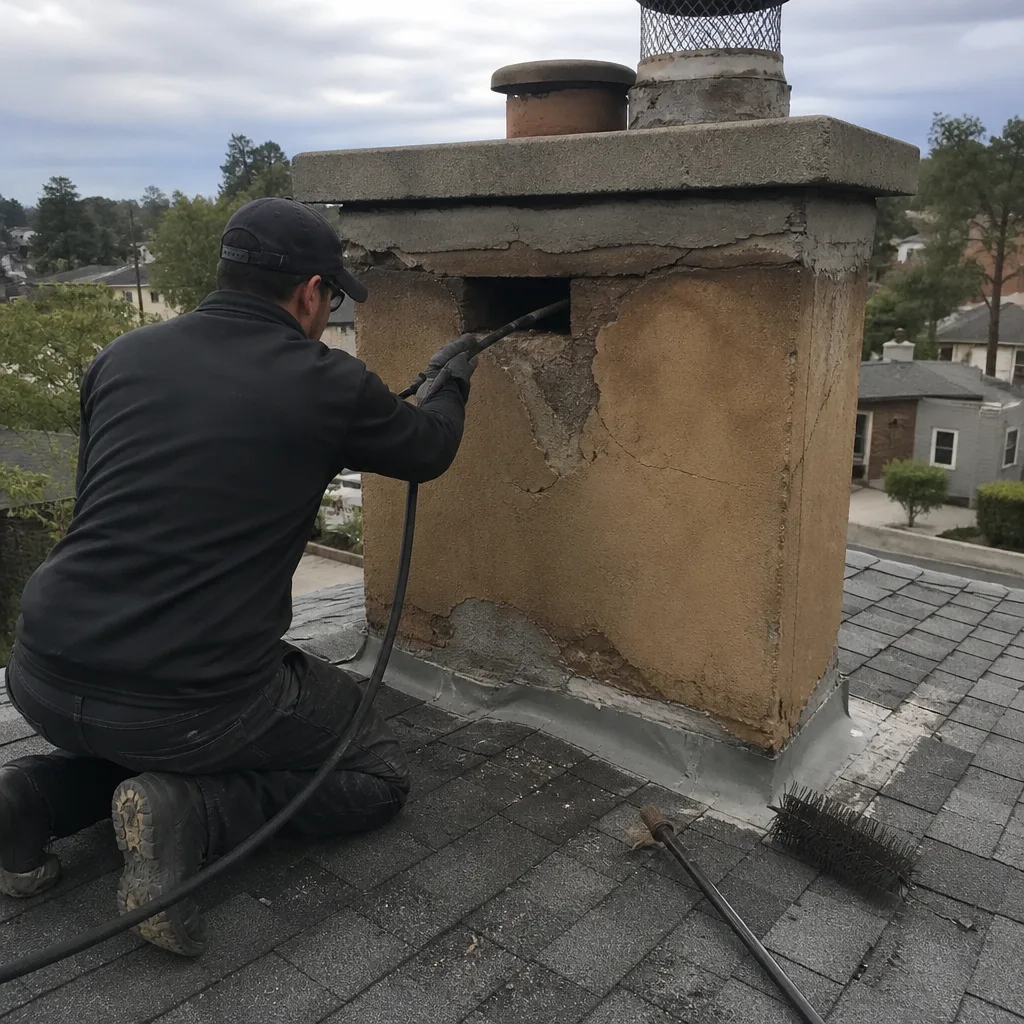 Before
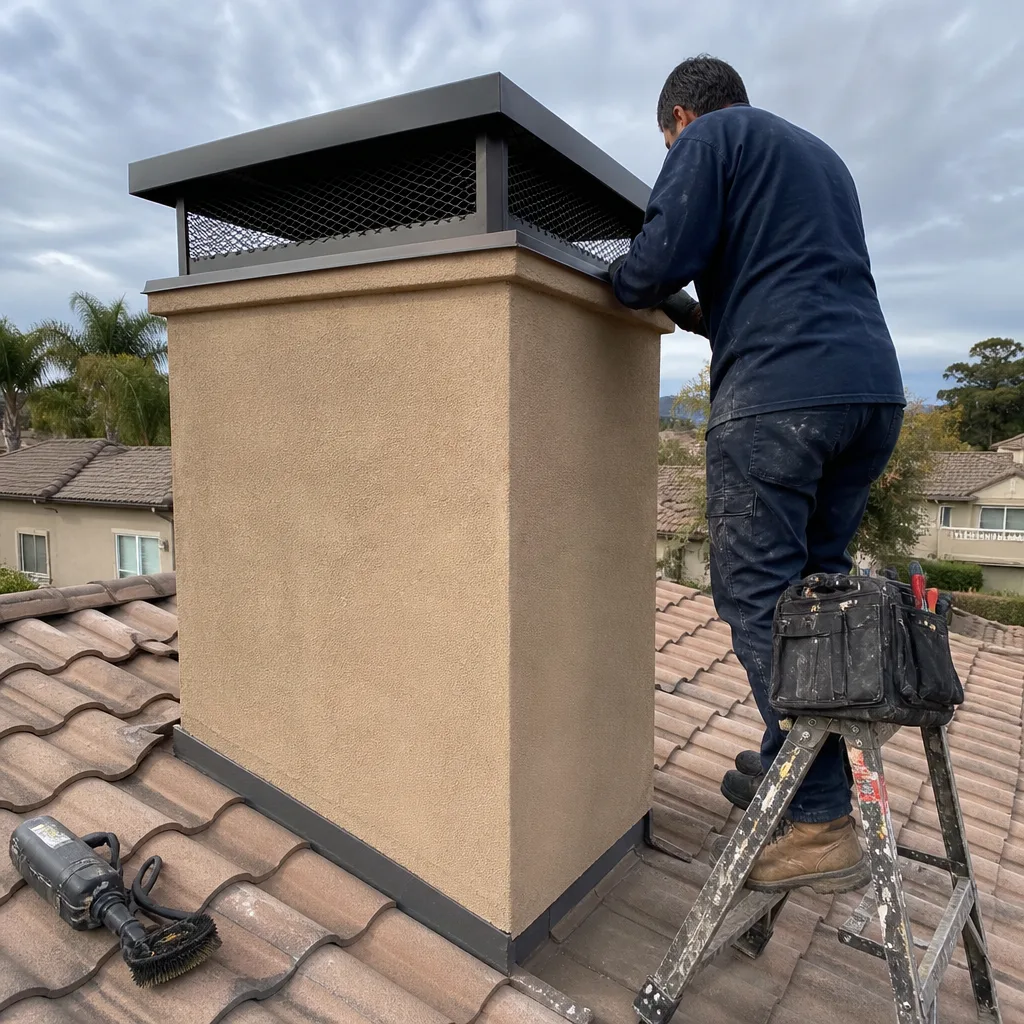 After
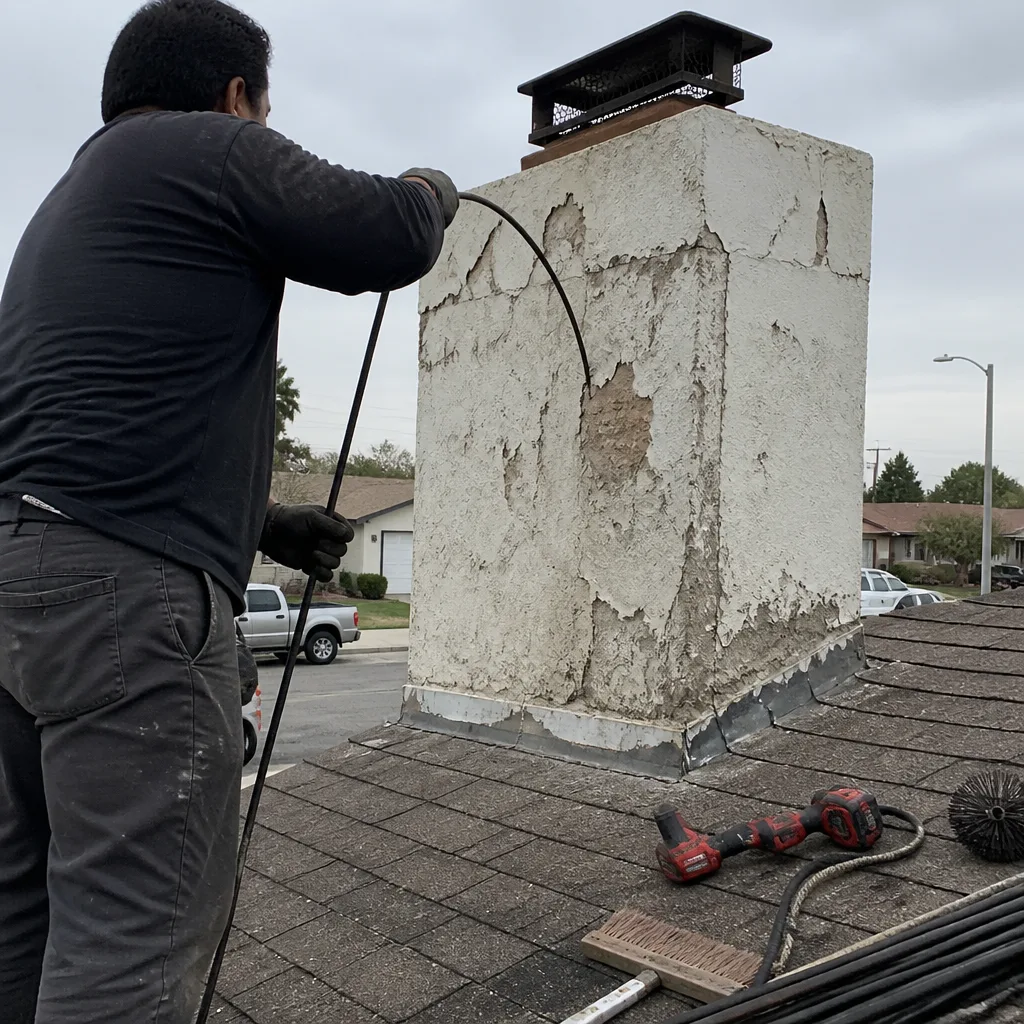 Before
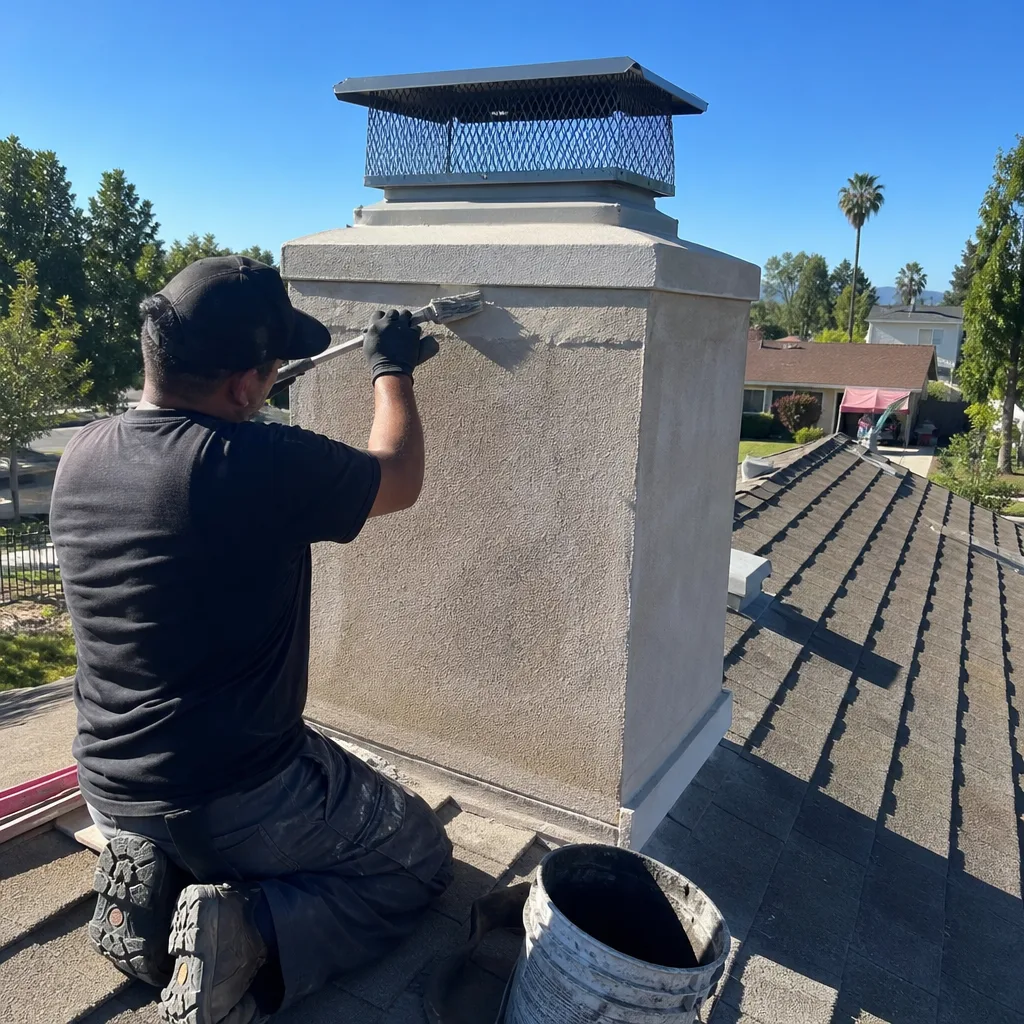 After
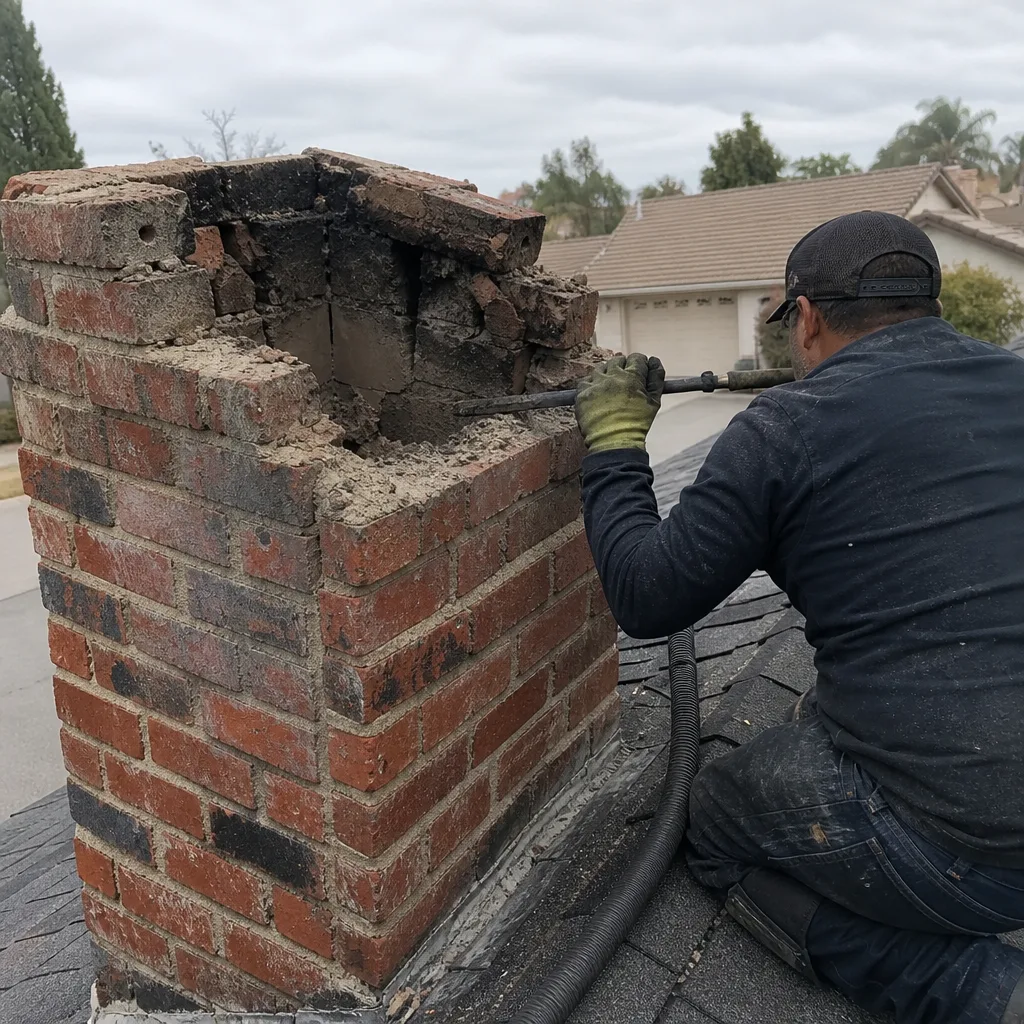 Before
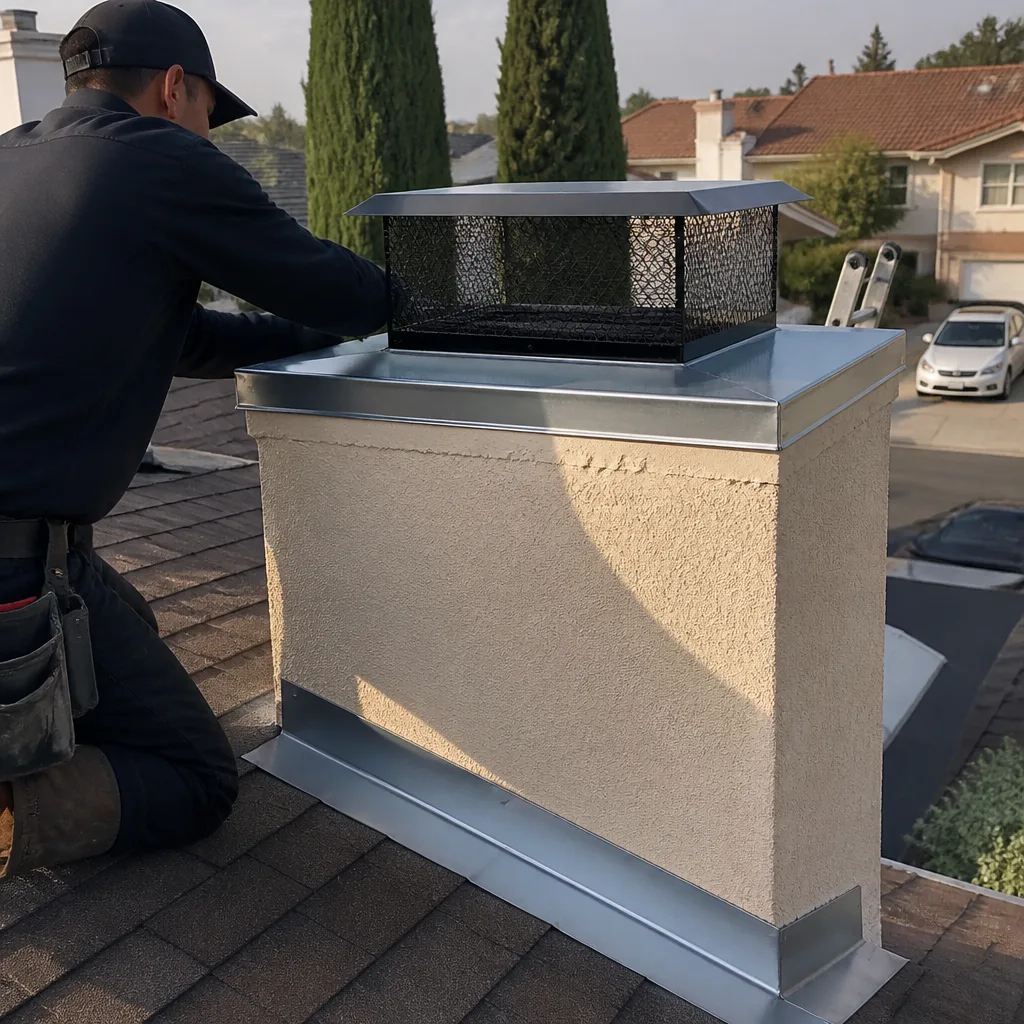 After
HeatShield Service Pricing in Corona
Most HeatShield cleaning and resurfacing work in Corona falls between $500 and $3,200 depending on what the camera finds. A full sweep with a Level 2 inspection, which we recommend before any resurfacing decision, runs $250 to $425. HeatShield smoke chamber resurfacing after a sweep adds roughly $300 to $600, while partial flue resurfacing with Cerfractory typically lands between $900 and $1,800 depending on flue height and access. Full-flue resurfacing with Armor, needed when damage runs deeper but the tile is still structurally sound, runs $2,200 to $3,200. Cap replacement and crown recoating add $200 to $550 when they’re part of the same scope.
What drives the cost here more than anything is access. Hillside Corona homes with steep rooflines, multi-story stacks, or flues that require an extension ladder change how long the work takes, and that’s reflected in the estimate. We give you a flat-price quote before work starts, not an hourly open-ended bill. Your free estimate includes the camera inspection, so you’ll know exactly what you’re paying for before anything is applied. Call (833) 805-3229 for the exact number on your flue.
Serving Corona, CA — Our Local Coverage Area
We’re based in the HeatShield repair in Norco and Corona area and know this community well. Use the map below to see our service coverage — if you’re nearby, we can almost certainly help.
FAQs – HeatShield Chimney Cleaning in Corona
HeatShield resurfacing works on a 1970s Corona masonry chimney when the original clay tile is still structurally sound and the spalling or cracking is localized, not when the tile has collapsed or the flue has shifted. On 40-60 year old Corona chimneys near the historic downtown circle, the typical failure is surface spalling above the smoke shelf, which Cerfractory handles well. If the camera shows more than 30 percent of the liner gone or the tile cracked through, we’ll tell you a full reline or rebuild is the honest answer. We don’t sell resurfacing onto a flue that can’t hold it. Call (833) 805-3229 to schedule a camera inspection and get a straight recommendation.
Corona’s Santa Ana winds hit the foothill neighborhoods off the 91 and toward the Cleveland National Forest edge directly, and palm fronds are light enough to ride that wind straight onto your cap. The fronds wedge against the cap mesh, trap finer grit and ash behind them, and eventually the whole mass works its way into the flue opening. Once a cap is packed, wind-driven material bypasses it and settles inside the flue on top of the creosote from last winter. We clear this during every fall sweep and often install a cap with finer mesh if the current one is letting too much through. If you’re seeing debris every year, call (833) 805-3229 and we’ll check the cap fit while we’re there.
Once a year, before the first winter fire, is the minimum for a Corona wood-burning fireplace with a HeatShield-resurfaced flue. Corona’s climate piles creosote from winter burning on top of a summer’s worth of wind-blown dust and fire-season ash, and that combination accelerates wear on the resurfacing layer more than either would alone. If you burn more than a cord a season, or if you burn softwoods like pine, sweep twice a year. The annual sweep is also when we camera the flue to check the HeatShield layer for hairline cracks or edge lifting before they become structural problems. Call (833) 805-3229 to get on a fall schedule that works for you.
Yes, and we think that’s the more honest position. We are an independent chimney company that works with HeatShield materials daily, so we know how they behave, what the cure times are, and what the thickness specs do in practice. But we’re not HeatShield-authorized, and we don’t pretend to be. What that means for you: we assess your flue on its merits and sell you only what the camera shows it needs, not a brand authorization pitch. If a flue doesn’t need resurfacing, we tell you. If it does, we use genuine HeatShield Cerfractory and Armor because the chemistry matters, and we apply it to spec. For specific service in surrounding areas, see HeatShield service in March Air Force Base and HeatShield service in Mentone.
A HeatShield resurfacing job on a hillside Corona home starts with access: we’re on a steep roofline, often with an extension ladder and a safety harness, clearing the cap and flue top before anything else. Then we sweep the full flue, run the camera, and confirm the resurfacing scope. The HeatShield Cerfractory or Armor is applied to the prepared surface, including through any flue offsets, and the crown is recoated if it’s part of the job. Cure time depends on temperature and humidity, which varies between Corona’s summer-dry hillside conditions and its cool, damp winter mornings. A hillside fireplace off the 91 near Cleveland National Forest edge is exactly the kind of chimney that benefits from a specialist who knows how wind exposure and moisture intrusion work together. Call (833) 805-3229 and we’ll walk you through the process for your specific flue.
Service Areas Near Corona
We work throughout the Corona service area and into Fontana where Norm grew up, plus Bloomington, Rialto, Sunnyslope, and Glen Avon. Much of our HeatShield work takes us into the foothill and master-planned communities across Riverside and San Bernardino counties, so if you’re nearby, give us a call and we’ll figure out if we can get to you.
Book Your HeatShield Service in Corona Today
If your HeatShield-resurfaced flue hasn’t been swept in over a year, or if you’re seeing spalling, smoke rollback, or debris around your cap, don’t wait on it. A clean flue isn’t a luxury, it’s just the job done right. Call (833) 805-3229 for a free estimate, and we’ll get your chimney right before the first fire of the season.
Written by Norm Castillo, Owner at Ashwood Chimney Sweep, serving Corona since 2008.