Last updated October 30, 2026
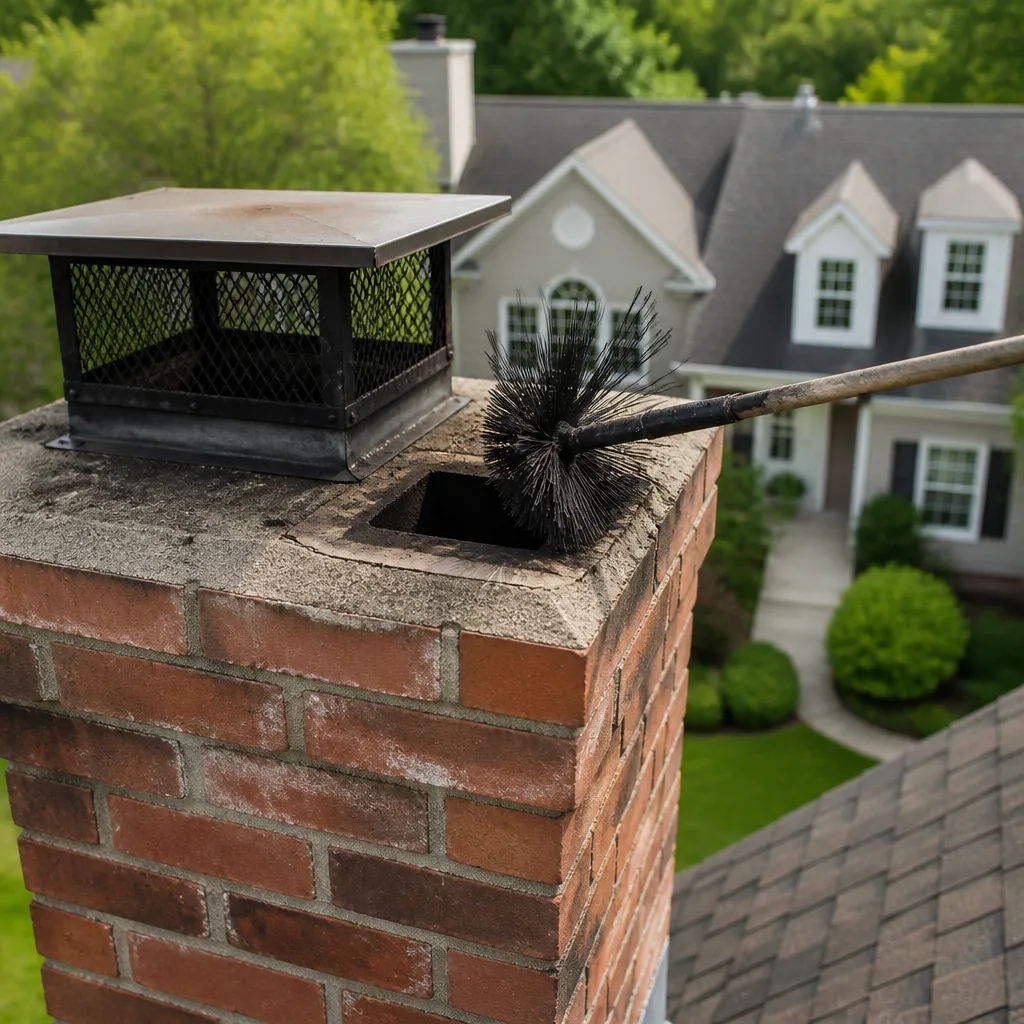 Sweep & inspection
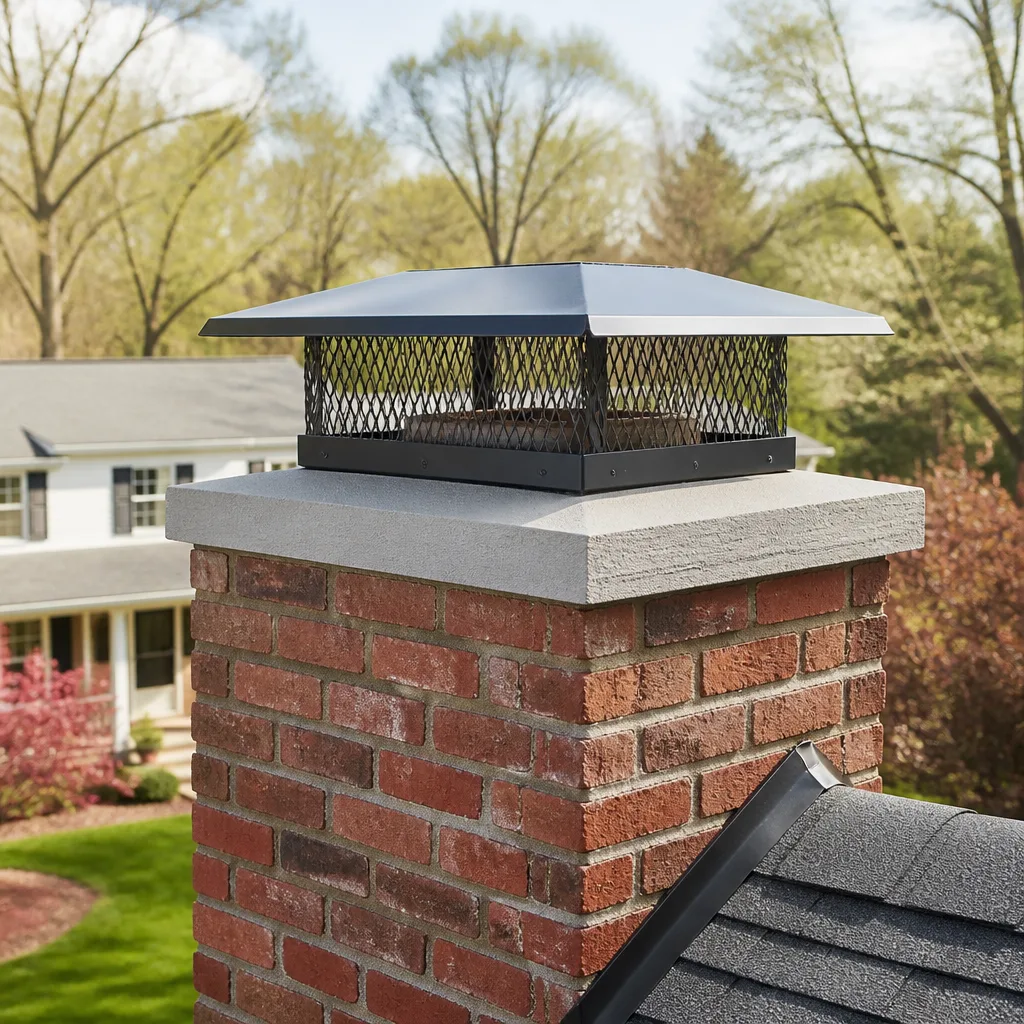 Caps & crowns
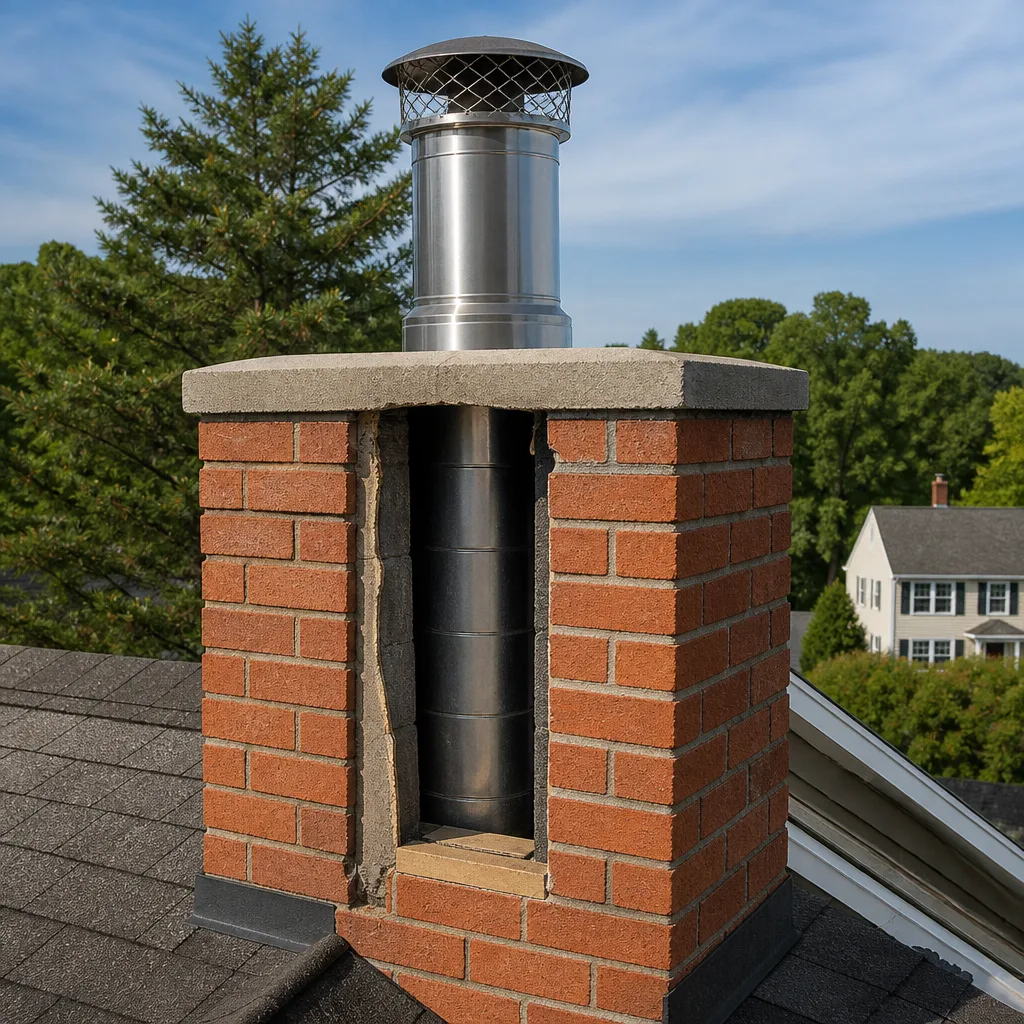 Flue relining
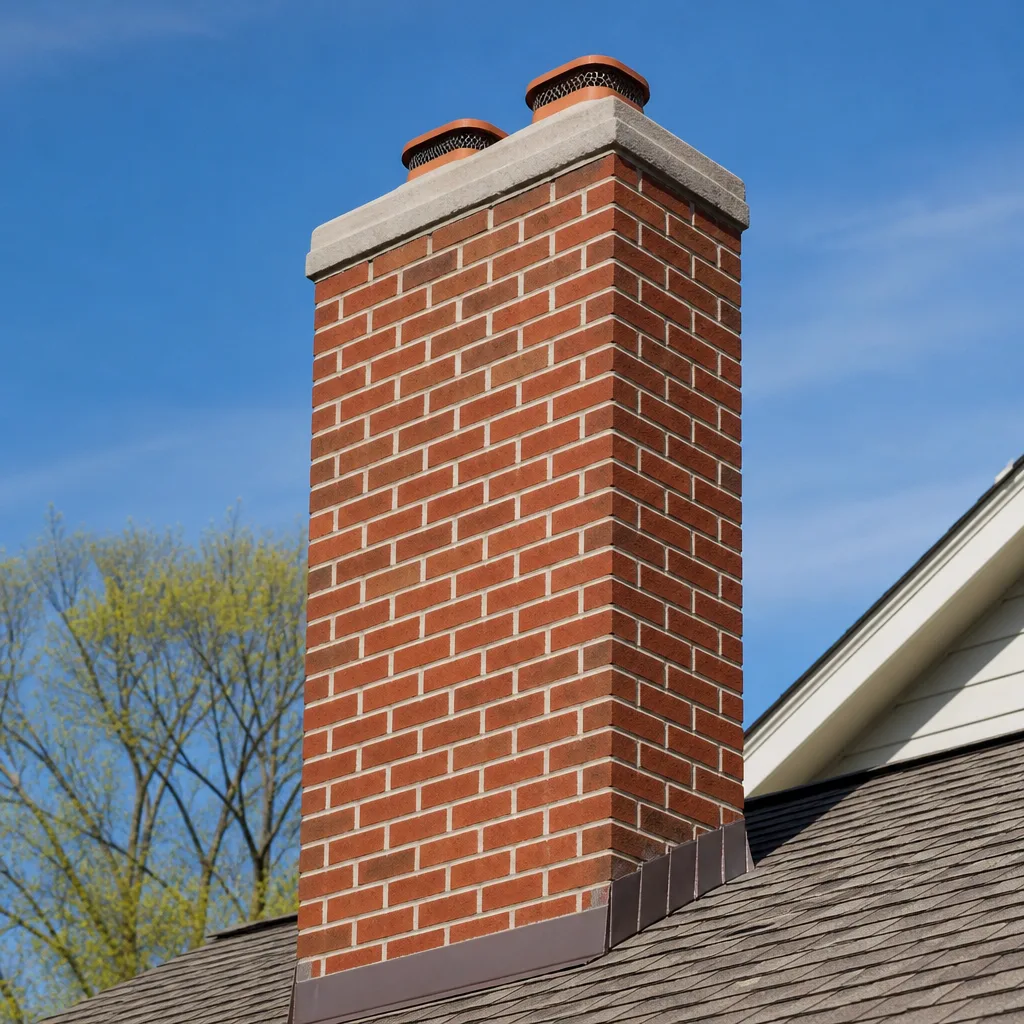 Masonry repair
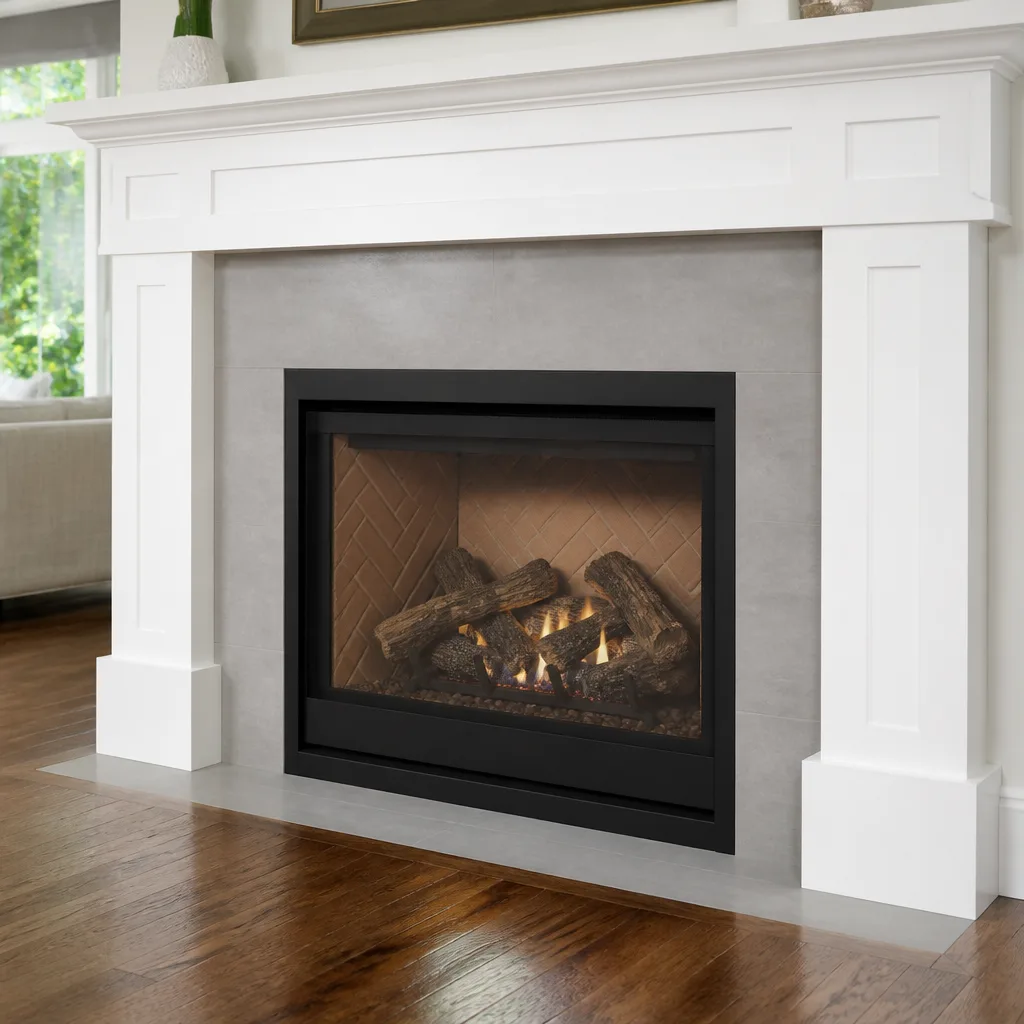 Gas fireplace service
Level 1 sweep and inspection to the NFPA 211 annual standard - flue, crown, cap, and flashing checked and photographed
Chimney sweep logs do not sweep chimneys. They loosen some creosote - which then falls where a brush and vacuum still have to collect it.
Choosing the Right Chimney Cleaning Brand: A Buyer’s Guide for Fontana
A chimney cap is a chimney cap until the first Santa Ana wind season rolls through Fontana. Then the difference between a stamped steel import and a stainless steel unit from a manufacturer like Gelco or Olympia Chimney becomes a repair bill versus zero problems. Most homeowners never see the products that go into their chimney system, and that’s precisely the issue. This guide walks you through the five product categories that determine whether your chimney service lasts three years or twenty, which manufacturers set the professional standard, and how to ask a contractor the questions that separate material-quality operators from bargain crews. For more guides & resources, see our blog.
Quick Answer
The right chimney cleaning brand isn’t a single company name, it’s a sourcing standard. If you want a full overview, read The Complete Guide to Chimney Cleaning in Fontana. Look for a Fontana contractor who works with professional-trade manufacturers like HeatShield, DuraFlex, Olympia Chimney, and Copperfield rather than retail-grade substitutes. What matters most is whether the contractor can name the specific brands they use for liners, caps, sealants, and chemical treatments, and whether those brands are distributed exclusively through the professional chimney trade.
Styles & brands we work with
Table of Contents
- The Five Product Categories That Matter
- Manufacturer Names Professionals Rely On
- How to Ask a Contractor Which Brands They Use
- Brushed Creosote Treatments vs. Certified Chemical Removers
- What Product Warranties Require for Professional Installation
- Why Fontana’s Climate Makes Material Choice Critical
- Common Mistakes to Avoid
- When to Call a Professional
- Frequently Asked Questions
The Five Product Categories That Matter
Every chimney service, whether it’s a routine Chimney Sweep in Fontana or a full flue rebuild, involves a handful of material decisions. Here’s what each category should accomplish and what separates the professional-grade options from everything else.
Flue Liners
A flue liner is the inner wall of your chimney, the surface that contains heat, corrosive gases, and creosote. In Fontana’s older housing stock, especially homes built between the 1950s and 1980s, many original clay tile liners have cracked from decades of temperature cycling and the occasional chimney fire. When a liner fails, the repair involves either a full replacement or a restoration. Full liner replacement typically uses a flexible stainless steel system like DuraFlex, a brand distributed only through certified chimney contractors. Restoration, by contrast, uses a product like HeatShield Cerfractory sealant, which fills cracks and spalled areas without demolition. Both are professional-trade materials. Neither is available at a home center. That distinction alone tells you whether a contractor is equipped to actually fix a liner problem or just document it and recommend someone else.
Chimney Caps
Fontana sits in a wind corridor. The Santa Ana season pushes dust, embers, and debris into any unprotected flue opening, and those airborne embers are a documented ignition source for roof fires in the Inland Empire. A proper cap does three things: it blocks spark egress, keeps rain from entering the flue, and excludes birds and rodents. The material grade changes everything. A galvanized steel cap from a big-box store will corrode within a few seasons of Fontana’s inversion-layer air, which carries a fair amount of sulfur compounds from the I-10 and I-15 corridors. A stainless steel cap from Gelco or Olympia Chimney Supply carries a much longer service life, often decades. When a contractor specifies a Gelco cap, they’re signaling that they’ve thought about what Fontana’s air does to metal over time.
Crown Sealants
The chimney crown is the concrete slab that caps the masonry structure. It’s the single most common entry point for water in Fontana chimneys, because our dry summers cause the concrete to shrink and micro-crack, and then winter rains exploit every one of those cracks. A professional crown sealant is a flexible, vapor-permeable compound that bonds to concrete and stays elastic through temperature swings. Retail silicone caulks fail here within a year or two because they can’t handle the thermal expansion of a masonry chimney. The professional-grade products, sourced through trade suppliers like Copperfield, are engineered specifically for this application. When you’re getting a Chimney Repair in Fontana, the crown sealant brand is a quick way to judge whether the repair is built to last.
Waterproofing Agents
Brick and mortar are porous. When water penetrates a Fontana chimney and then the temperature drops on a December night, the freeze-thaw cycle spalls the brick face. A proper waterproofing agent is breathable, meaning it blocks liquid water while allowing water vapor to escape, and it’s formulated for masonry, not wood or concrete. Professional chimney waterproofing products are typically silane- or siloxane-based compounds. Hardware store masonry sealers are often acrylic-based, which traps moisture inside the brick and accelerates deterioration. This is a product where the chemistry matters, and the chemistry is what you’re paying for when you hire a contractor who sources from the professional trade.
Creosote Modifiers and Chemical Removers
Creosote accumulates in three stages. Stage one is a flaky soot that brushes off easily. Stage two is a tar-like glaze that requires mechanical removal. Stage three is a hardened, glassy deposit that resists brushing entirely and usually demands chemical treatment. Professional-grade creosote modifiers, like those from Rutland’s professional line, are formulated to chemically break down stage two and stage three creosote so it can be removed during the next sweep. The critical thing to understand is that these products are not a substitute for sweeping, they are a preparation step that makes the sweep possible. Retail creosote logs and powders can help with stage one, but they won’t touch stage three, and in some cases they can mask the problem long enough that it becomes a fire hazard. In Fontana, where many homeowners burn wood heavily during the winter months, stage two and stage three creosote are common in chimneys that go more than two years between cleanings.
Manufacturer Names Professionals Rely On
Here’s what distinguishes the major professional-trade brands and why their names matter when they appear on a contractor’s material list.
HeatShield is a liner restoration product, not a cleaning product. It’s a Cerfractory sealant, which means it’s a ceramic refractory compound that bonds to the inside of a deteriorating flue liner and restores a smooth, insulated, fire-resistant surface. HeatShield is relevant to this guide because it represents the repair end of the chimney service spectrum. A contractor who offers HeatShield has invested in the training and certification to apply it, which means they’re not a sweep-only operation. They’re equipped to handle the full range of flue problems. In Fontana, where many chimneys are original to mid-century homes, flue deterioration is not a rare find during a sweep, it’s a standard part of the inspection conversation.
DuraFlex is a flexible stainless steel liner system manufactured by the industry and distributed exclusively through professional chimney supply houses. It’s used when a flue liner has failed beyond restoration and needs full replacement. DuraFlex liners are made from 316Ti stainless steel, a grade chosen for its resistance to the corrosive byproducts of wood combustion. The fact that DuraFlex is not sold through retail channels is the point: when a contractor lists DuraFlex on a repair estimate, you know they’re sourcing from the professional trade, not picking up whatever flexible duct is on sale at a hardware store. That’s a meaningful difference, because an improperly specified liner in a wood-burning chimney is a carbon monoxide risk.
Olympia Chimney Supply and Copperfield are two of the most widely recognized professional chimney supply houses in the country. They distribute components from multiple manufacturers, including caps, liners, sealants, and flashing materials. A contractor who sources from Olympia or Copperfield is plugged into the professional ecosystem, which means they have access to the full catalog of repair components, not just the limited selection available to a general handyman. For a homeowner in Fontana, this matters because a chimney repair often requires a combination of components: a custom cap, a section of liner, a specific flashing profile. A contractor with trade-supply access can source all of it correctly the first time. A contractor without that access improvises.
Rutland and Saver Systems dominate the chemical treatment side of the chimney trade. Rutland makes creosote removers, crown sealants, and waterproofing compounds, including a professional line distributed through trade channels rather than retail. Saver Systems specializes in chimney cleaning products, with a focus on the mechanical and chemical tools professionals use for stage two and stage three creosote removal. The professional lines from both manufacturers are formulated differently from their retail products, with higher active ingredient concentrations and more aggressive solvents. That’s why they’re sold through supply houses, not home centers.
How to Ask a Contractor Which Brands They Use
The single most revealing question you can ask a Fontana chimney contractor is not “What do you charge?” It’s “What brands do you use?” Here’s how to have that conversation and what the answers tell you.
- Ask about liners first. Say: “If my liner is cracked, what do you replace it with?” A contractor who can answer immediately with a specific manufacturer, like DuraFlex or a HeatShield restoration, has a defined repair protocol. A contractor who hesitates, or says something like “whatever’s available,” is signaling that they source materials job-by-job from retail, which almost always means lower-grade components.
- Ask about caps. Say: “What kind of cap would you put on my chimney?” The answer should include a material grade, not just a shape. Stainless steel is the minimum for Fontana’s wind and corrosion conditions. A specific brand, like Gelco, tells you they’ve thought about it.
- Ask about chemicals. Say: “What do you use for heavy creosote buildup?” The answer should distinguish between brushing and chemical treatment, and it should name a professional product line, not a retail brand. If the contractor says they use “creosote logs from the hardware store,” that’s a red flag for stage two and stage three deposits.
- Ask about supply chain. Say: “Where do you get your materials?” A contractor who names a chimney supply house, like Olympia Chimney Supply or Copperfield, is plugged into the professional trade. A contractor who says “Home Depot” or “whatever’s closest” is not.
The pattern across all four questions is the same: a professional contractor can name their materials because they’ve made deliberate sourcing decisions. A generalist cannot, because they’re buying whatever’s on the shelf the day of the job. In our experience in Fontana, the difference shows up most clearly in repair longevity. A cap that lasts through three Santa Ana seasons costs a little more up front and a lot less over the life of the home.
Brushed Creosote Treatments vs. Certified Chemical Removers
Not all creosote is the same, and the tool that removes it isn’t either. Understanding the difference between a mechanical brush and a chemical treatment matters because it determines whether you’re actually solving a creosote problem or just knocking the loose stuff off the top.
A mechanical brush, whether it’s a wire brush or a poly brush, removes stage one creosote and loose stage two deposits. It’s the standard tool for an annual chimney sweep in Fontana, and it’s appropriate for most chimneys that are cleaned regularly. But a brush alone will not remove stage three creosote, which is a hardened, tar-like glaze that bonds to the flue liner surface. Trying to brush it off is like trying to scrub dried epoxy off a wall. You can abrade the surface, but you won’t remove the deposit.
A certified chemical remover works differently. The product, applied as a powder or spray during the sweep, chemically reacts with stage two and stage three creosote, breaking down the hydrocarbon bonds so the deposit can be removed mechanically. The key word is “certified.” Professional-grade chemical removers are formulated with active ingredients that are not present in retail creosote logs or powders, and they’re applied in specific concentrations based on the severity of the deposit. A technician who’s trained in chemical creosote removal can assess the creosote stage, select the right product, apply it correctly, and schedule the follow-up sweep. It’s a process, not a product.
Why does this matter in Fontana specifically? Because our burning season runs from roughly November through February, and many homeowners in neighborhoods like Rancho Fontana, Hunter’s Ridge, and the older streets south of Foothill Boulevard burn heavily during that window. A chimney that burns three to four cords of wood per season can develop stage two creosote in as little as one winter if the wood is not fully seasoned. We’ve pulled out creosote deposits in Fontana homes that looked like black glass, a half-inch thick on the flue walls, because the chimney had been “cleaned” for years with nothing but a brush. The brush was moving air. It wasn’t removing the fuel.
What Product Warranties Require for Professional Installation
This is the section most homeowners never read, and it’s the one that costs them money. Product warranties from reputable chimney manufacturers are not unconditional. They require professional installation by a qualified contractor, and they specify material grades. Here’s what you need to know.
Professional installation is a warranty condition. DuraFlex liner warranties, for example, are void if the liner is installed by an unqualified contractor or if the installation doesn’t follow the manufacturer’s specifications. The same is true for HeatShield restoration products, which require certified applicator training. When a contractor tells you a product “has a lifetime warranty,” the correct follow-up question is: “What does the manufacturer require to keep that warranty valid?” If the contractor can’t answer, the warranty they’re quoting isn’t worth the paper it’s printed on.
Material grade matters to the warranty. A stainless steel chimney cap warranty assumes a specific alloy, typically 304 or 316 stainless. A galvanized steel cap from a retail store doesn’t get the same warranty because the manufacturer knows it won’t survive the same conditions. When you see a professional contractor specify a Gelco cap or an Olympia Chimney component, part of what you’re paying for is the warranty that comes with the material, not just the material itself.
Installation method matters to the warranty. A crown sealant warranty is only as good as the surface preparation behind it. Professional sealant manufacturers require the crown to be cleaned, profiled, and primed before the sealant is applied. Skip those steps, and the sealant will delaminate within a season or two, warranty or not. A contractor who understands this will tell you that the preparation takes longer than the application, and that the labor is where the money goes, not the caulk gun.
The pattern here is consistent: product warranties are designed to protect manufacturers from failures caused by improper installation. When a Fontana homeowner hires a contractor who’s certified on the products they install, the warranty is actually enforceable. When they hire someone who “figures it out” on the job, the warranty is meaningless from day one. That’s why the brand conversation matters. It’s not about brand snobbery. It’s about whether the warranty on your $3,000 liner repair will actually be honored if something goes wrong.
Why Fontana’s Climate Makes Material Choice Critical
Fontana is not a generic Southern California market. Our specific climate and geography stress chimney systems in ways that a coastal contractor’s standard material list doesn’t account for. Here’s what that means for product selection.
Santa Ana winds are a structural load. The Santa Ana events that blow through the Cajon Pass and down into the Fontana valley routinely reach 40 to 60 mile per hour gusts. Those winds put lateral stress on chimney caps, spark arrestors, and exposed flashing. A cheap cap with a thin gauge and a weak mounting bracket will loosen, wobble, and eventually tear free. A Gelco or Olympia Chimney stainless steel cap with a proper mounting band is engineered to handle that sustained wind load. This isn’t a theoretical problem, it’s a call we get every year after the first big wind event, from homeowners in the northern Fontana neighborhoods closest to Lytle Creek where the gusts hit hardest.
Temperature swings stress crowns and mortar. Fontana’s diurnal temperature range during the winter is among the widest in the region. A chimney crown that bakes at 70 degrees during the day and then drops to 35 degrees at night expands and contracts daily. Over a decade, that’s thousands of thermal cycles, and each one micro-fractures the concrete a little more. A professional crown sealant is formulated to bridge those cracks and stay elastic. A hardware store caulk isn’t, and it fails at exactly the point where the cracks open up.
Inversion-layer air accelerates corrosion. Fontana sits in a bowl. On calm days, the air accumulates particulates from the I-10 corridor, the I-15 corridor, and local logistics traffic. That air contains sulfur compounds and other corrosive agents that settle on metal surfaces. A galvanized steel chimney cap in Fontana will show rust streaks within two or three years, not the five to seven you might expect in a coastal market with cleaner air. Stainless steel is not a luxury in Fontana, it’s a corrosion requirement.
The burning season is intense and compressed. Fontana homeowners tend to burn heavily from Thanksgiving through Valentine’s Day and then not at all the rest of the year. That means creosote accumulates faster during the burning window, and it sits undisturbed for eight months afterward, hardening and curing into the flue walls. The result is that Fontana chimneys often present with more advanced creosote stages than chimneys in cooler climates where burning is spread across a longer season. A professional-grade chemical remover is more likely to be necessary here than in, say, a mountain community where the fireplace is used lightly every month of the year.
Common Mistakes to Avoid
- Assuming all chimney caps are interchangeable. They’re not. A galvanized steel cap from a retail store will corrode within three seasons of Fontana’s inversion-layer air, while a stainless steel cap from a manufacturer like Gelco will last decades. Ask for the alloy, not just the shape.
- Skipping the brand conversation entirely. Most homeowners ask about price and schedule, never about materials. The brand conversation is the fastest way to distinguish a professional contractor from a generalist, and it takes two minutes.
- Treating chemical creosote removers as a substitute for sweeping. A creosote log from the hardware store will not remove stage three creosote, and it won’t replace a professional sweep. It may, however, give you a false sense of security that delays the sweep you actually need.
- Hiring a contractor who can’t explain their warranty. Product warranties require professional installation and specific material grades. If your contractor can’t tell you what the manufacturer requires, you don’t actually have a warranty.
- Ignoring the dryer vent. A full-service chimney contractor should also handle Dryer Vent Cleaning in Fontana, because a clogged dryer vent is a fire risk that follows the same principles: accumulated lint is fuel, and fuel plus heat plus airflow equals combustion. If your chimney contractor doesn’t offer dryer vent cleaning, you’re talking to a specialist who doesn’t see the whole picture.
- Choosing the cheapest bid without comparing materials. A low bid in Fontana usually means retail-grade materials and skipped preparation steps. The chimney crown sealant that fails in 18 months costs more to redo than the professional sealant that lasts 15 years.
When to Call a Professional
Some things in a chimney system are safe to look at, and some are not. You can visually check for a missing cap, rust streaks on metal components, or visible cracks in the crown. You should not attempt to remove stage two or stage three creosote yourself, repair a cracked flue liner, or reseal a crown without proper training and materials. Flue liner work in particular carries a carbon monoxide risk: a liner that’s not sealed correctly can leak combustion gases into the living space, and you won’t smell it, because carbon monoxide is odorless. If you’ve noticed water staining around the fireplace, a persistent smoky smell in the house after a fire, or visible cracks in the chimney masonry, call a professional. Ashwood Chimney Sweep home offers free estimates in Fontana, call (833) 805-3229 to schedule an inspection.
Frequently Asked Questions
A standard chimney sweep in Fontana with a level-one inspection typically ranges from $150 to $300 depending on the flue size and the creosote condition. For detailed pricing and scope, see The Complete Chimney Sweep Guide for Fontana Homeowners. If the chimney presents stage two or stage three creosote, the cost may increase because chemical treatment and additional labor are required. Call (833) 805-3229 for an exact quote, estimates are free.
For Fontana’s wind and corrosion conditions, you want a stainless steel cap from a professional-trade manufacturer like Gelco or Olympia Chimney. Avoid galvanized steel caps from retail stores, they will rust within two to three seasons in Fontana’s inversion-layer air. The material grade matters more than the shape or the price.
Not necessarily. A cracked flue liner can often be restored with a HeatShield Cerfractory sealant, which fills the cracks and restores a smooth, fire-resistant surface without full demolition. Full liner replacement with a DuraFlex stainless steel system is only necessary when the liner has failed beyond restoration. Get a camera inspection and ask the contractor to show you the video, you should see the crack yourself before you pay for a repair.
Most Fontana homes with a wood-burning fireplace used regularly during the winter should be swept once a year, before the burning season starts in November. If you burn more than two cords of wood per season, or if you notice a buildup of creosote on the flue walls, you may need a mid-season sweep. Gas fireplaces typically need an inspection every one to two years, but not the same frequency of cleaning as wood-burning systems.
The most serious consequence is a chimney fire. Creosote is fuel, and when it accumulates to stage two or stage three levels, it can ignite at the temperatures a normal fire produces. A chimney fire can crack clay liners, melt metal components, and in the worst cases spread to the roof structure. The second consequence is carbon monoxide exposure from a partially blocked flue. Call (833) 805-3229 if you’re not sure when your chimney was last cleaned.
Yes, and the difference is measurable. Professional-grade creosote removers, crown sealants, and waterproofing agents are formulated with higher active ingredient concentrations than their retail counterparts. Professional chimney caps and liners use higher alloy grades. Professional trade brands like Copperfield, DuraFlex, and HeatShield are distributed exclusively through certified chimney supply houses, which means they’re not available at home centers. A contractor who sources from these brands has access to materials a retail contractor cannot obtain.
The Bottom Line
The brand conversation is the shortcut to hiring the right chimney contractor in Fontana. A professional who can name their liner supplier, their cap manufacturer, and their chemical treatment brand has made deliberate sourcing decisions, and those decisions show up in the longevity of the work. The brands that matter, DuraFlex, HeatShield, Gelco, Olympia Chimney, Copperfield, and Rutland, are not available at home centers, and a contractor’s access to them tells you whether they’re operating inside the professional trade or outside it. Fontana’s climate puts extra stress on every component of a chimney system, from the cap to the crown to the flue liner, and the materials you choose are the difference between a repair that lasts and one that fails halfway through the next Santa Ana season.
Written by the team at Ashwood Chimney Sweep, serving Fontana since 2012.
See the difference
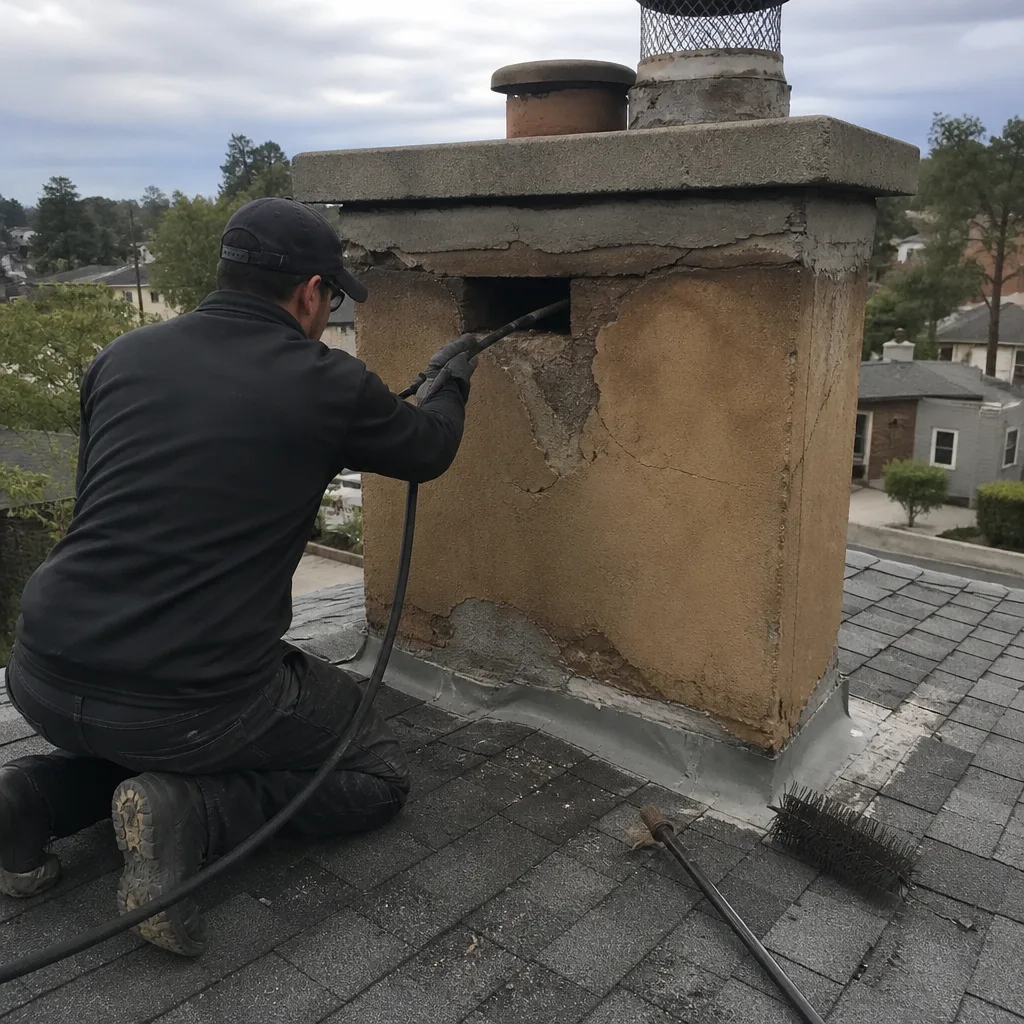 Before
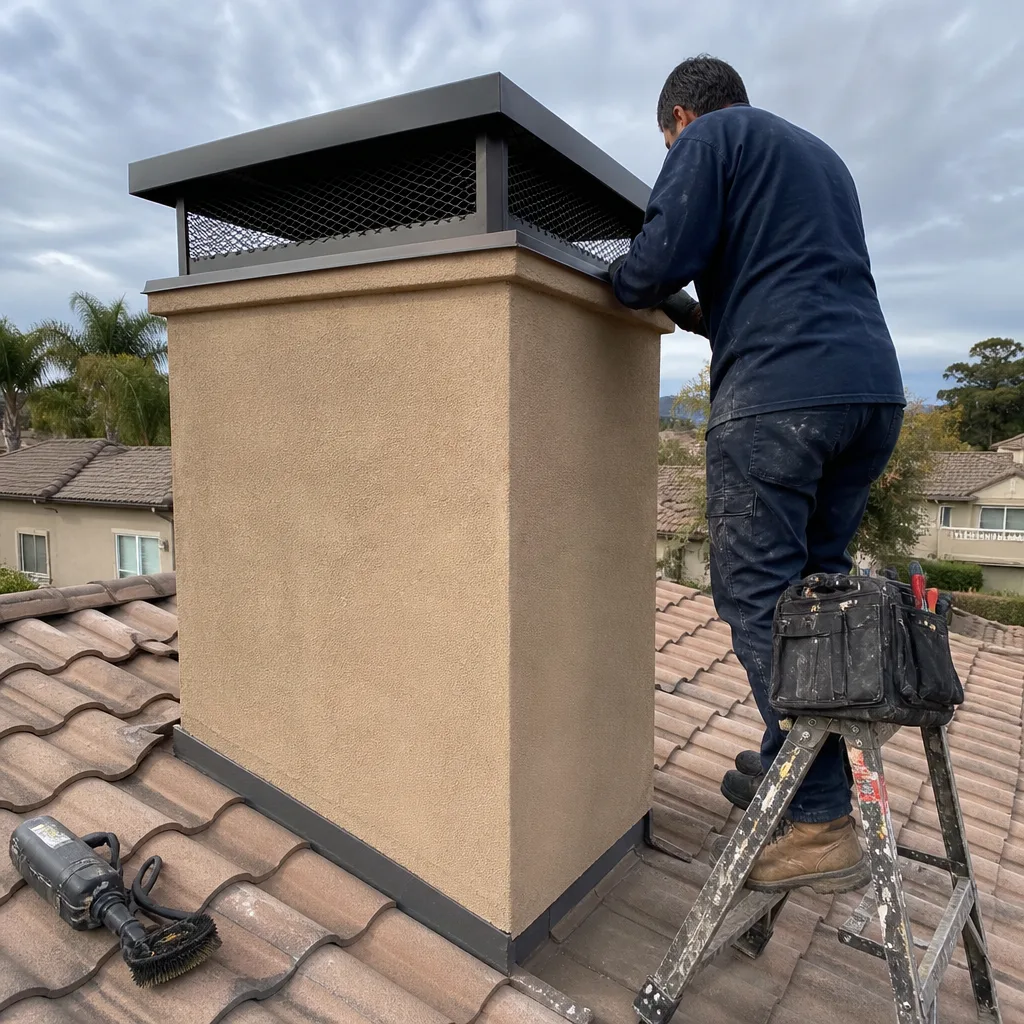 After
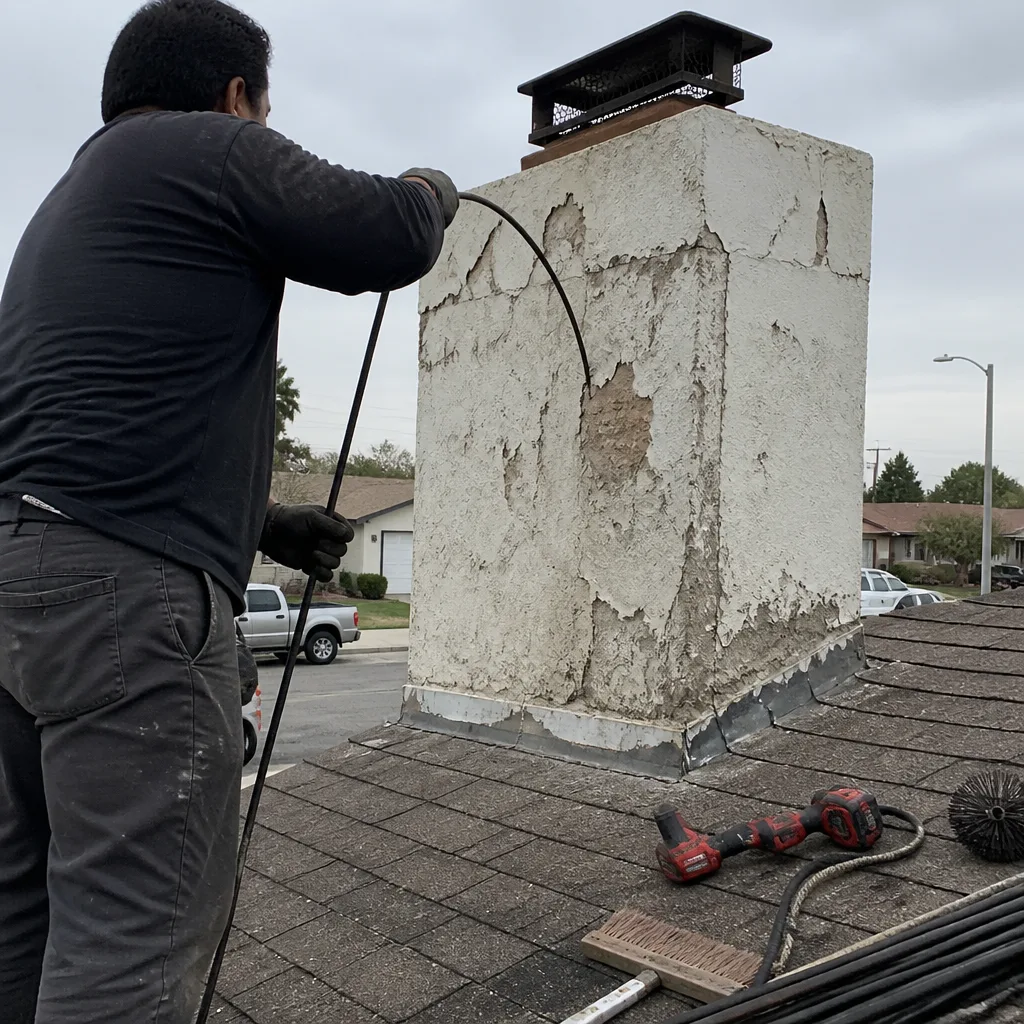 Before
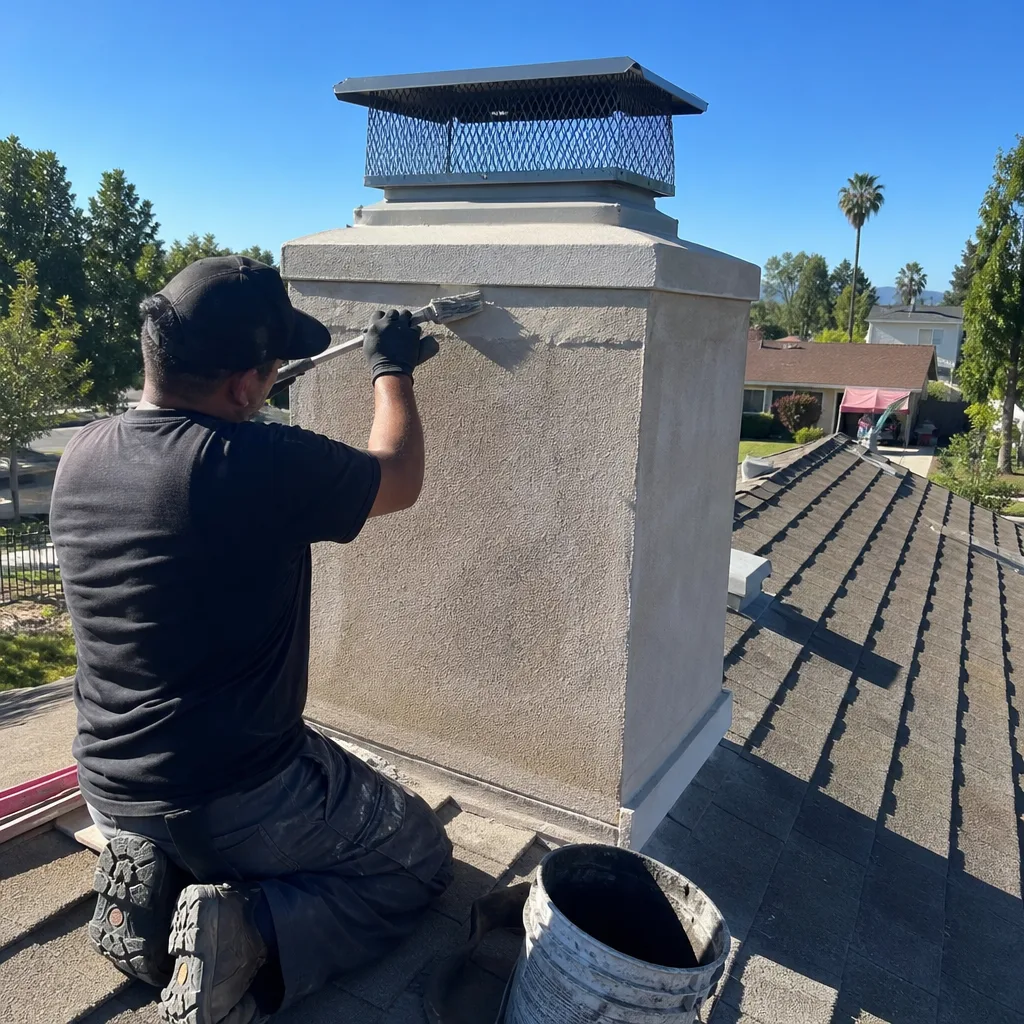 After
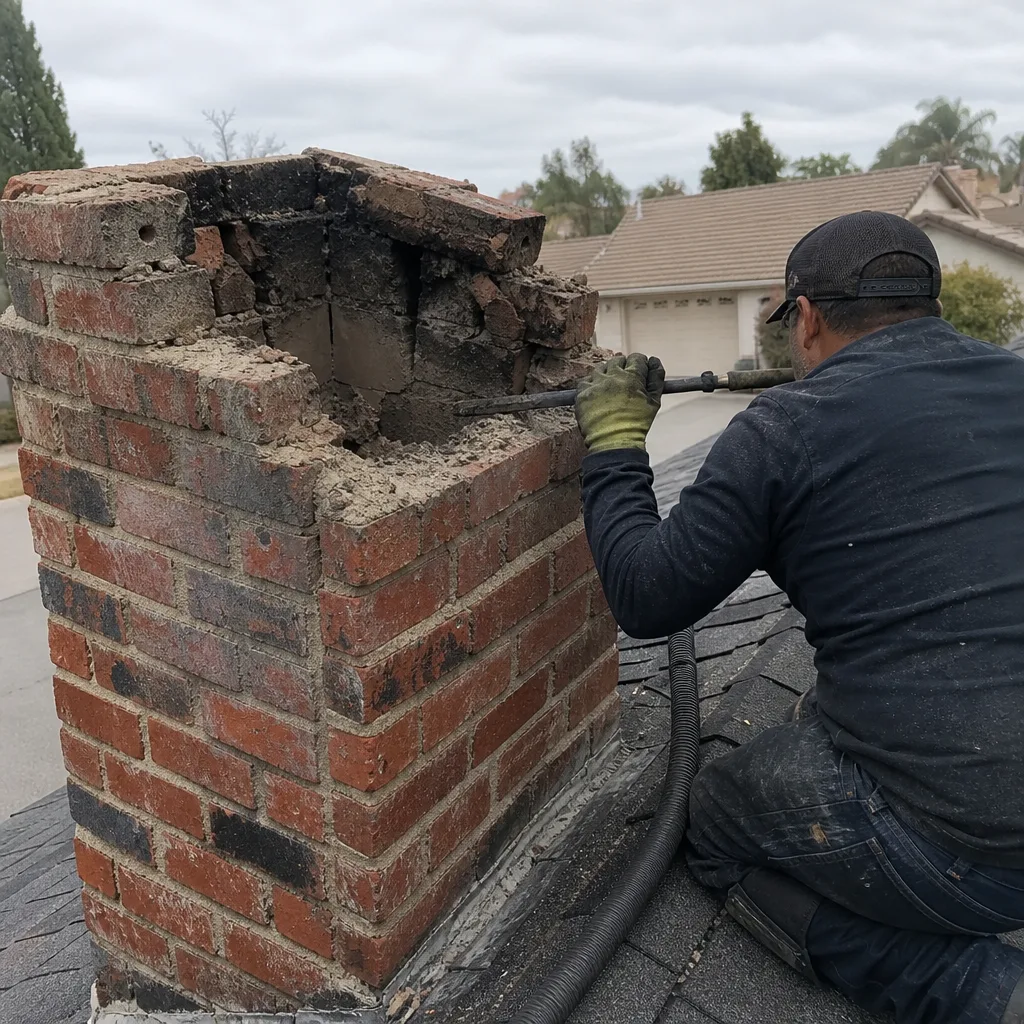 Before
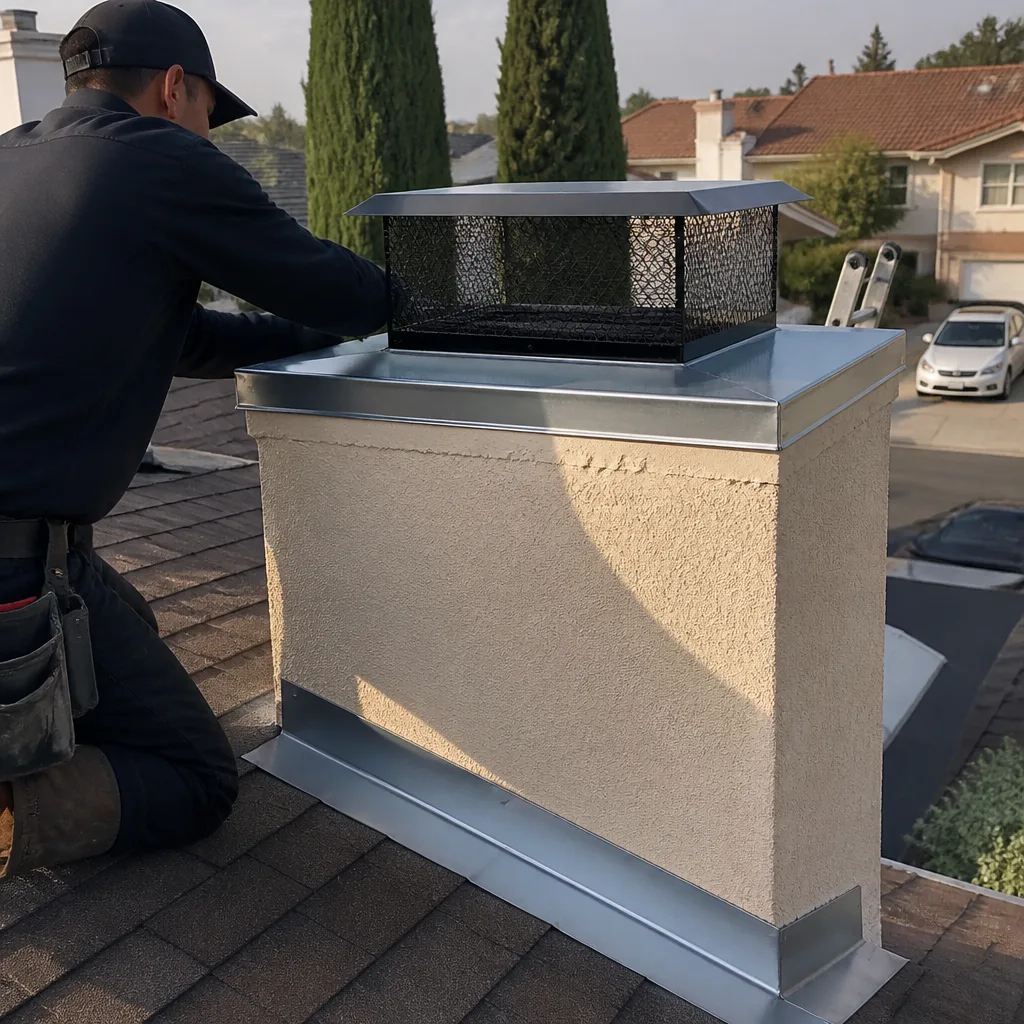 After