
Last updated October 30, 2026
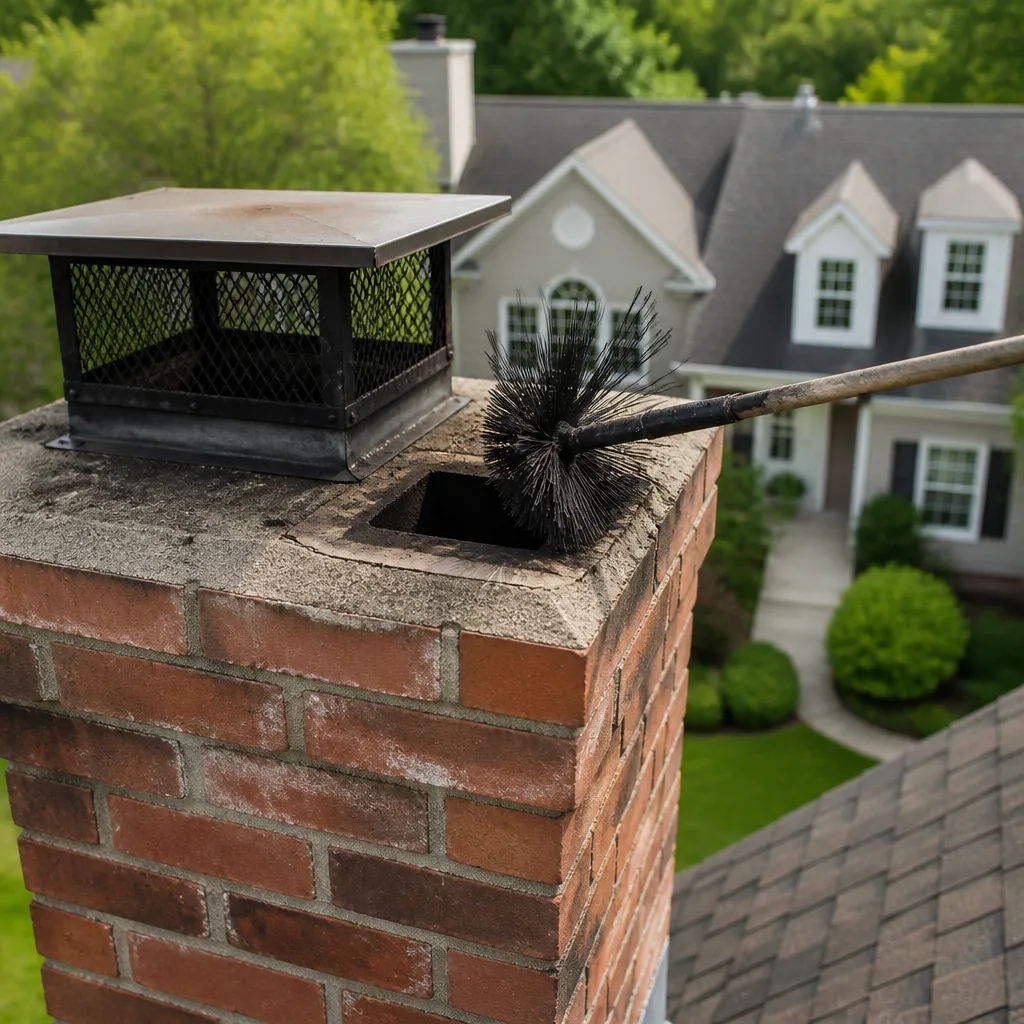 Sweep & inspection
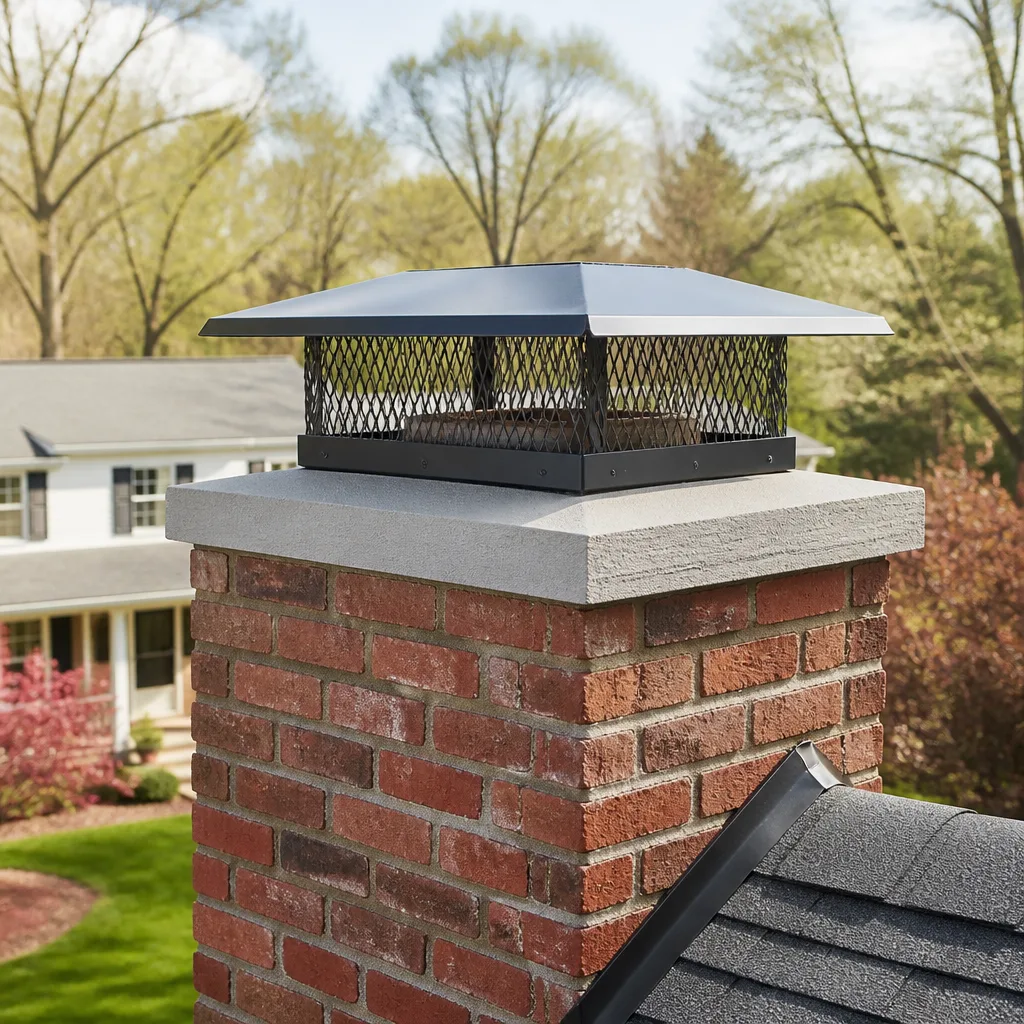 Caps & crowns
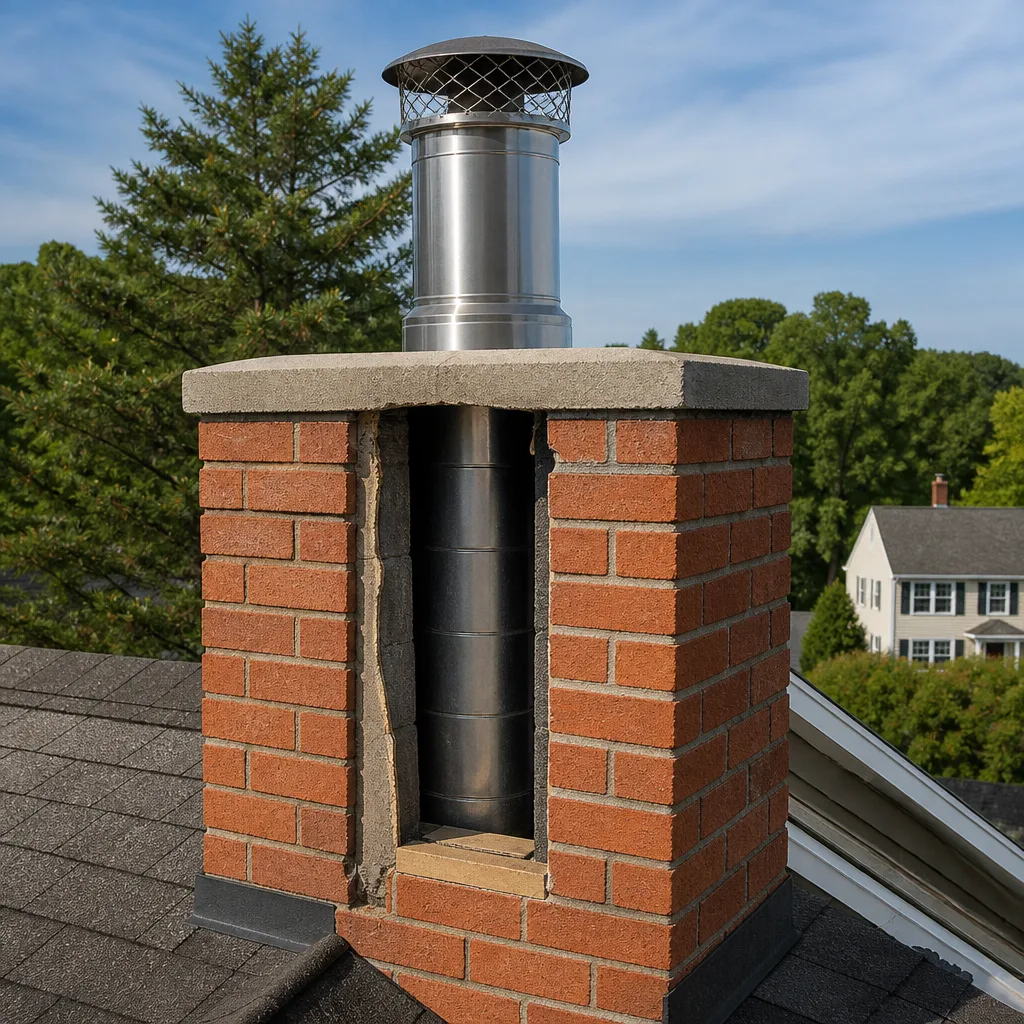 Flue relining
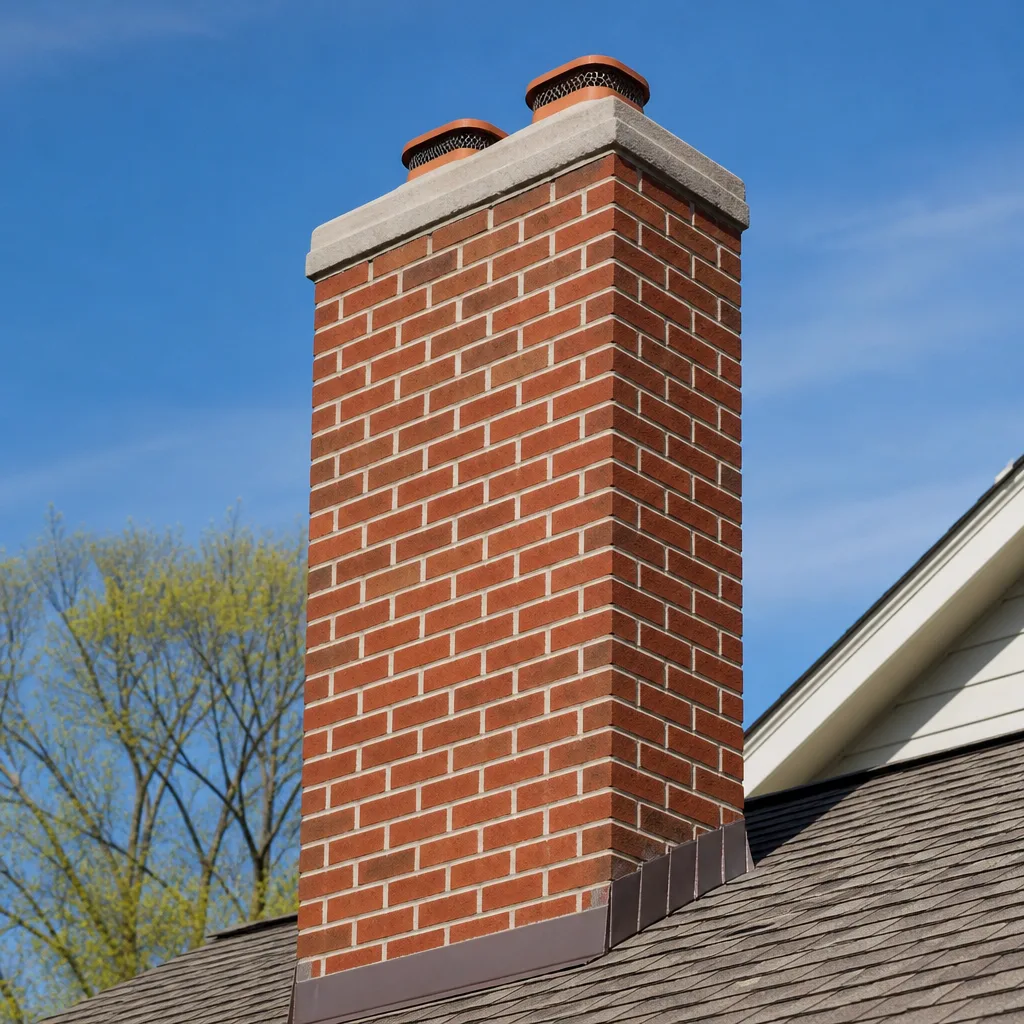 Masonry repair
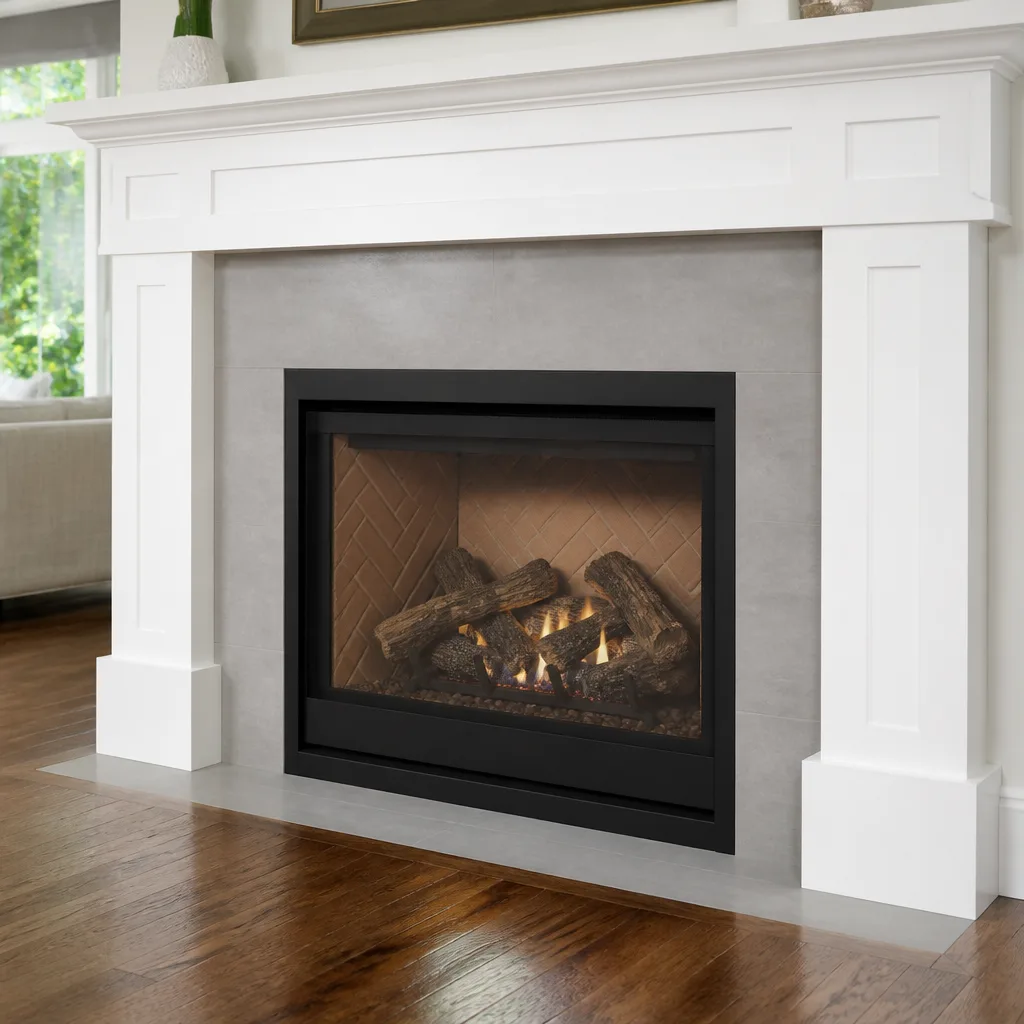 Gas fireplace service
Level 1 sweep and inspection to the NFPA 211 annual standard - flue, crown, cap, and flashing checked and photographed
Chimney sweep logs do not sweep chimneys. They loosen some creosote - which then falls where a brush and vacuum still have to collect it.
The Complete Chimney Sweep Guide for Fontana Homeowners
Most Fontana homeowners light their first fire of the season sometime in November, right as the desert air finally cools. But here’s what happens during the eight months that fireplace sat unused: 100°F-plus heat baked the masonry, spiders and wasps built nests in the flue, and the Santa Ana winds pushed fine dust and debris down past the cap. The first spark of the season doesn’t meet a clean clay tile. It meets a summer’s worth of kindling. This guide explains how Fontana’s specific climate shapes your sweeping schedule, what an inspection actually involves, and when a sweep alone isn’t enough to keep your home safe. For more guides & resources, see our blog.
Styles & brands we work with
Quick Answer
Our Chimney Sweep services in Fontana should be scheduled once per year for wood-burning fireplaces, typically in September or October before the first burn of the season. The inspection comes standard with the sweep and is your earliest warning system for liner damage, cap failure, and creosote buildup. Expect to pay between $189 and $350 for a standard sweep and Level 1 inspection, with repair work quoted separately and only after camera evidence shows what’s actually wrong.
Table of Contents
- Why Fontana’s Climate Makes Chimney Sweeping Different
- What a Chimney Sweep Actually Includes in Fontana
- Level 1, Level 2, and Level 3 Inspections: What Fontana Homeowners Actually Need
- Santa Ana Winds and Your Chimney: What Changes
- Creosote Buildup: Why Burn Temperature Matters More Than Burn Frequency
- Beyond the Sweep: Liner, Cap, and Crown Assessments
- Fontana’s Seasonal Chimney Maintenance Calendar
- Common Mistakes to Avoid
- When to Call a Professional
- Frequently Asked Questions
- The Bottom Line
Why Fontana’s Climate Makes Chimney Sweeping Different
The standard chimney sweep advice you’ll find online was written for places like Minneapolis or Boston, where fireplaces burn for five straight months and creosote builds fast. For local specifics, see The Complete Guide to Chimney Cleaning in Fontana. Fontana doesn’t work that way. Your fireplace gets used maybe two dozen times between November and February, then sits dormant through a long, brutal summer where temperatures regularly hit triple digits in neighborhoods like Northgate, Southridge, and West End. That heat isn’t passive. It expands and contracts the clay tile liners inside older masonry chimneys, and over years of 100°F-plus cycles, hairline cracks appear. Those cracks don’t announce themselves. They just sit there, separating the inside of your chimney from the wood framing of your home by a couple inches of compromised clay.
We see a pattern in Fontana that rarely shows up in national chimney guides: low annual burn count creating a false sense of safety. Homeowners think four fires a year means the chimney is basically clean. What they miss is that creosote formation depends on burn temperature, not how many times you light a fire. A handful of low, smoldering fires produces more creosote than a season of hot, efficient burns. And in Fontana, where many fireplaces are used recreationally for ambience rather than heat, those fires tend to be short and cool. That’s the creosote sweet spot.
Add in the summer insect activity. Mud dauber wasps love chimney flues. They build nests in the dark, protected space above the damper in the spring and summer months. We’ve pulled wasp nests the size of footballs out of Fontana chimneys during pre-season sweeps. The nest itself is a fire hazard. The dead insects and larvae left behind create an odor that seeps into the house when the first fall fire heats the flue. None of this appears in a generic checklist written for a damp, cold climate.
What a Chimney Sweep Actually Includes in Fontana
A proper chimney sweep in Fontana is really two services in one: mechanical cleaning and a visual inspection. The cleaning part is straightforward in principle. We run brushes from the top of the flue down to the smoke shelf, removing creosote, soot, and surface debris. What makes the difference between a thorough job and a quick pass is what happens before and after the brushing.
Before we start, we drop a drop cloth, position a HEPA vacuum at the firebox opening, and seal the area so dust doesn’t migrate into your living room. Then we inspect from both ends: the roof side and the firebox side. This is where the real value of a sweep lives, because the act of brushing reveals what’s underneath the soot. Cracks in the flue, deteriorated mortar joints, a rusted damper, a warped cap: these show themselves during a sweep, not after it.
Here’s what a standard sweep and inspection at a Fontana home typically includes:
- Mechanical flue brushing from top to bottom with appropriately sized brushes for your flue’s dimensions
- Smoke shelf and damper cleaning where debris and creosote collect first
- Firebox cleaning including removal of ash, debris, and loose mortar
- Visual inspection of the flue liner for cracks, gaps, and spalling
- Cap and spark arrestor check for rust, blockage, and animal intrusion
- Crown and exterior masonry assessment for cracks and water penetration
- Damper operation check to confirm it opens, closes, and seals properly
If your sweep is coupled with a dryer vent cleaning, we can do both in a single visit. Most Fontana homes have the laundry room adjacent to or below the fireplace chase, which means both ventilation systems run through the same framing. A combined service call from Ashwood Chimney Sweep home means one appointment, one drop cloth setup, and one report covering both systems. Your dryer vent is a fire-risk system, not an afterthought, and we treat it that way during every combined visit.
Level 1, Level 2, and Level 3 Inspections: What Fontana Homeowners Actually Need
Chimney inspections fall into three categories defined by the National Fire Protection Association. Understanding which level applies to your situation prevents both undertesting and overpaying. Here’s the direct answer: a Level 1 inspection is the default and is included with every standard sweep. A Level 2 is required when you buy or sell a home, after a chimney fire, after an earthquake, or when changing fuel type. A Level 3 is rare and involves removing building materials to access hidden chimney components.
Level 1 is what most Fontana homeowners need on an annual basis. It covers the readily accessible portions of the chimney: the flue interior, damper, smoke chamber, firebox, cap, and exterior crown. We use a flashlight and, when access allows, a mirror to check what’s visible. If you’ve used your fireplace the same way for years and nothing has changed, a Level 1 during your annual sweep is sufficient.
Level 2 adds video scanning. We run a specialized camera through the flue to document the interior surface of the liner, which the naked eye cannot fully evaluate from either end. This is the inspection that catches cracked clay tiles, deteriorated mortar joints, and gaps in the flue that a visual check misses. In Fontana, we recommend a Level 2 scan if you bought your home without chimney records, if you’re selling and want the inspection report clean before listing, or if your chimney experienced any event that could compromise the liner. Earthquake activity, even minor tremors familiar to Inland Empire homeowners, can crack older clay liners. If your home is pre-1990 and the chimney has never been camera-scanned, a Level 2 is worth the extra cost.
Level 3 is the invasive one. When a Level 2 scan reveals damage in areas that can’t be accessed without removing drywall, framing, or masonry, a Level 3 inspection is warranted. This is rare for annual maintenance but not uncommon in older Fontana homes where chimney fires occurred before current ownership. We don’t recommend a Level 3 unless the camera evidence from a Level 2 points to something we need to see behind the wall.
Santa Ana Winds and Your Chimney: What Changes
Fontana sits directly in the path of Santa Ana wind events that barrel through the Cajon Pass and sweep across the Inland Empire. These winds shift the calculus for chimney maintenance in ways that colder-climate guides never mention. Three specific things happen to Fontana chimneys during high-wind season.
First, downdraft becomes a real problem. A strong Santa Ana gust can push air down the flue faster than the fire’s draft can push smoke up. The result is smoke billowing into the living room, a stubborn fire that won’t draw, and a house that smells like campfire for days. The fix is sometimes a cap upgrade. A well-designed cap with the right height and baffling defeats most downdraft conditions. If your chimney only misbehaves on windy days, the cap is the first suspect, not the flue.
Second, debris intrusion spikes during wind season. Leaves, pine needles, and fine dust from the foothills get driven horizontally across rooftops and into uncapped or poorly capped flues. This is why we recommend an off-cycle inspection after a particularly bad wind event, even if your sweep was done earlier in the season. A chimney can go from clean to obstructed in one windy weekend.
Third, wind accelerates cap deterioration. The constant vibration and torque from high winds loosens cap fasteners, cracks welds, and breaks spark arrestor screening. A cap that survives a decade in a calm climate might fail in five Fontana wind seasons. During every sweep we check for cap movement and rust, and we replace worn caps using components from the professional trade, not big-box substitutes.
Creosote Buildup: Why Burn Temperature Matters More Than Burn Frequency
The single biggest misconception we hear from Fontana homeowners is some version of “we barely use the fireplace, so it can’t be dirty.” That assumption is wrong in a specific, measurable way. Creosote forms when wood smoke condenses on the cooler walls of the flue. It condenses most heavily under three conditions: low burn temperatures, restricted airflow, and unseasoned wood. Notice what’s missing from that list: burn frequency.
One weekend of smoldering, low-temperature fires can lay down more creosote than a month of hot, efficient burns. Read our DIY vs Professional Chimney Cleaning: The Fontana Homeowner’s Decision Guide to weigh your options. This is why the occasional-use Fontana fireplace often carries more creosote than the daily-use fireplace in a cold-climate home. The Fontana fire is lit for atmosphere on a Saturday night, burns at a low setting for two hours, and gets extinguished before the flue ever reaches optimal temperature. Repeat that pattern a dozen times over a winter and you have a glazed layer of creosote clinging to the flue walls.
Creosote comes in three stages. Stage one is flaky and brushes off easily. Stage two is tar-like and requires more aggressive mechanical removal. Stage three is glazed, hard, and dangerous: this is the creosote that sustains chimney fires. The only way to know which stage is present in your flue is a visual inspection during a sweep. No amount of internet research substitutes for looking at the actual surface inside your chimney.
After a sweep, if stage two or three creosote was present, we’ll usually recommend an earlier follow-up inspection. In Fontana, where the burn season is short, the temptation is to skip the next year because the fireplace sat unused for months. That’s how chimney fires happen in year three after a heavy buildup in year one. The creosote didn’t disappear during the summer; it just hardened.
Beyond the Sweep: Liner, Cap, and Crown Assessments
A sweep-only company will brush your flue and leave. A full-service chimney company in Fontana does something fundamentally different: we evaluate the entire system and tell you plainly what needs attention now, what can wait, and what to watch. This difference matters because the three most expensive chimney problems are all preventable when caught early.
The liner. Clay tile liners crack over time, and Fontana’s summer heat cycles accelerate that cracking. A cracked liner allows heat and combustion gases to reach the surrounding framing. The traditional fix was full liner replacement, which involved demolition and a four-figure bill. HeatShield changed that calculation. This is a restoration product applied directly to the existing flue, sealing cracks and restoring the liner’s integrity without teardown. If the liner is failing, HeatShield lets us restore it, not just document the problem. We also install DuraFlex flexible liner systems when full replacement is genuinely required. These are professional-trade products, not retail stock, and they carry warranties that hardware-store equivalents don’t.
The cap. A damaged cap invites water, animals, and debris into the flue. During the summer, an unguarded flue is a welcome mat for birds and wasps. During the winter, a cracked cap leaks water into the firebox. A cap replacement is one of the least expensive chimney repairs and one of the most consequential. We source our caps and components from suppliers like Olympia Chimney and Copperfield, which matters because the metal gauge and weld quality differ significantly from retail options.
The crown. The crown is the concrete slab at the top of the chimney that seals the masonry from water. Over years of Santa Ana wind and summer heat, crowns crack. Water enters those cracks, freezes on cold winter nights, and spalls the masonry. The repair is frequently straightforward: patch the crown, seal it, and you’ve bought the chimney another decade. Ignore it and the masonry deterioration spreads downward into the structure.
When we combine a sweep with a liner, cap, and crown assessment, you get a complete picture in one visit. Bundling these checks costs less than scheduling them separately, and it produces an inspection report you can act on. This is what we mean when we say Chimney Sweep in Fontana work should cover the whole flue, not just the easy parts.
Fontana’s Seasonal Chimney Maintenance Calendar
This is the locally calibrated schedule that generic chimney guides miss. Fontana’s climate dictates a different rhythm than most of the country, and following this calendar keeps your chimney safe with minimal effort.
- September to early October: Schedule your annual sweep and Level 1 inspection. This is before the first burn and after the worst of the summer insect season. We’re typically booked solid by late October, so early scheduling gets you the appointment slot you want.
- October to November: After the sweep, burn your first fire. Watch the draft. If smoke enters the room or the fire won’t stay lit on a calm day, call back before the season deepens.
- December to February: Burn season. Use seasoned hardwood, keep fires hot, and open the damper fully. If a Santa Ana event hits, watch for downdraft and debris. If you smell smoke in the house during a windstorm, close the damper and wait it out.
- March: After your last fire, clean out the firebox ash. Leave the damper closed during the hotter months to keep cooled air inside the house. If you plan masonry repairs, spring is the best time, before the summer heat expands everything and makes mortar work harder to set properly.
- April to August: The dormant period. Check the cap from the ground with binoculars once a month if you’re diligent, but mostly just keep an eye on the exterior brick for efflorescence, which is white staining that signals water penetration. If you see it, schedule a crown assessment.
- After major Santa Ana events: If a particularly violent windstorm rolls through, an off-cycle inspection is cheap insurance. A single broken cap or blown-in debris load can make your chimney unsafe in one afternoon.
Common Mistakes to Avoid
- Skipping the sweep because “we barely use the fireplace.” Creosote and debris accumulate based on conditions, not usage count. A handful of low-temperature fires creates more buildup than most Fontana homeowners expect.
- Burning unseasoned wood from the backyard. Green or wet wood burns cool and produces heavy creosote. Seasoned hardwood from a Fontana-area supplier burns hotter and cleaner.
- Closing the damper too early after a fire. The fire isn’t out when it looks out. Closing the damper while embers are still smoldering traps carbon monoxide inside the house. Wait until the firebox is completely cold to the touch.
- Ignoring a smoky fireplace because it “only happens when it’s windy.” Wind-related downdraft is a solvable problem, usually with a cap upgrade. Ignoring it means you either stop using the fireplace or you tolerate smoke intrusion that damages indoor air quality.
- Treating a Level 1 inspection as optional during the sweep. The inspection is the most valuable part of the service. The brushing makes the chimney clean. The inspection tells you whether it’s safe. A sweep without an inspection is half a job.
- Using a handyman for chimney repairs. Chimney work involves fire safety, structural integrity, and code compliance. A general contractor doesn’t carry the same professional trade materials or the same focus. We repair with the same materials professional contractors specify.
- Assuming a new home purchase means a clean chimney. Home sales in Fontana trigger Level 2 inspections when agents do their job, but plenty of transactions close with the chimney never camera-scanned. If you bought a home with no chimney inspection record, schedule a Level 2 now.
When to Call a Professional
Some chimney situations call for a phone call, not a wait-and-see approach. If you see white staining on the exterior brick, smell smoke inside the house when the fireplace isn’t running, notice animals or debris falling into the firebox, or experience a chimney fire of any size, call a professional immediately. A chimney fire, even one that burns itself out quickly, damages the liner and requires a Level 2 inspection before the next use. The same goes for any earthquake event strong enough to rattle your windows. Fontana sits on shifting ground, and a cracked liner is invisible until someone looks with the right equipment.
Chimney Repair in Fontana work should follow evidence, not guesswork. That’s why we camera-scan before recommending any repair and show you the footage. Nothing gets recommended without visuals you can see for yourself. Ashwood Chimney Sweep offers free estimates in Fontana. Call (833) 805-3229 to schedule a sweep, an inspection, or a combined service visit. Clean, inspect, repair; in one call.
Frequently Asked Questions
A standard chimney sweep with a Level 1 inspection in Fontana typically costs between $189 and $350 depending on the flue type, roof access, and condition of the chimney.
- Standard wood-burning fireplace sweep: $189 to $289
- Sweep with Level 2 video inspection: $325 to $500
- Dryer vent cleaning (add-on): $120 to $180
- Cap replacement (materials and labor): $225 to $600
- HeatShield liner restoration: $1,800 to $4,000 depending on flue size and access
These ranges reflect what we see across Fontana, Rancho Cucamonga, Rialto, and the surrounding Inland Empire. The final quote depends on your specific chimney. Call (833) 805-3229 for an exact quote; estimates are free.
Once per year is the standard for wood-burning fireplaces in Fontana, scheduled in September or October before the first fall fire. Gas inserts need inspection annually but sweeping less frequently, typically every two to three years depending on use. If you burn more than three cords of wood in a season or notice heavy soot buildup after light use, sweep more frequently.
Not necessarily. A cracked clay liner used to mean full replacement, but HeatShield restoration can seal and strengthen many cracked liners without demolition. The decision comes down to the extent of the damage, which is why camera evidence from a Level 2 inspection matters. We show you the footage before recommending any liner work, and if restoration is viable, it’s typically a fraction of the cost of full replacement.
Skipping the sweep allows creosote to accumulate and harden. The first risk is a chimney fire, which often starts silently and goes unnoticed until it damages the liner or spreads to the structure. The second risk is obstructed airflow from debris or nests, which pushes carbon monoxide back into the house. The third risk is undetected liner damage from Santa Ana-driven debris or summer heat cracking, which worsens over time and becomes more expensive to repair.
Yes, and it’s often the smarter way to book. Dryer Vent Cleaning in Fontana is a fire-safety service on equal footing with chimney sweeping. We use manufactured ventilation hardware sourced through the professional trade, not improvised fixes. A combined service call means one trip, one setup, and one inspection report covering both your chimney and dryer vent systems.
Gas fireplaces need annual inspection but not traditional sweeping. Gas burns cleaner than wood and produces no creosote, but the venting system still accumulates dust, insect debris, and mineral deposits over time. An annual inspection checks the venting, the gas logs, the thermocouple, and the carbon monoxide risk points. If your gas insert vents through an existing masonry chimney, the flue still needs periodic cleaning from whatever blows in through the top.
The Bottom Line
Fontana’s chimney maintenance needs are shaped by its climate, not by generic national advice. Hot summers stress liners. Short, cool fires build creosote. Santa Ana winds batter caps and push debris into flues. The solution is a locally timed schedule: sweep in September or October, watch for wind damage through the winter, and assess the liner, cap, and crown every visit. A full-service chimney company does more than brush soot; it evaluates the entire system and repairs it with professional trade materials. If your chimney hasn’t been inspected this year, don’t wait until the first cold night. Call (833) 805-3229 and get it scheduled before the season hits.
Written by the team at Ashwood Chimney Sweep, serving Fontana since 2012.
See the difference
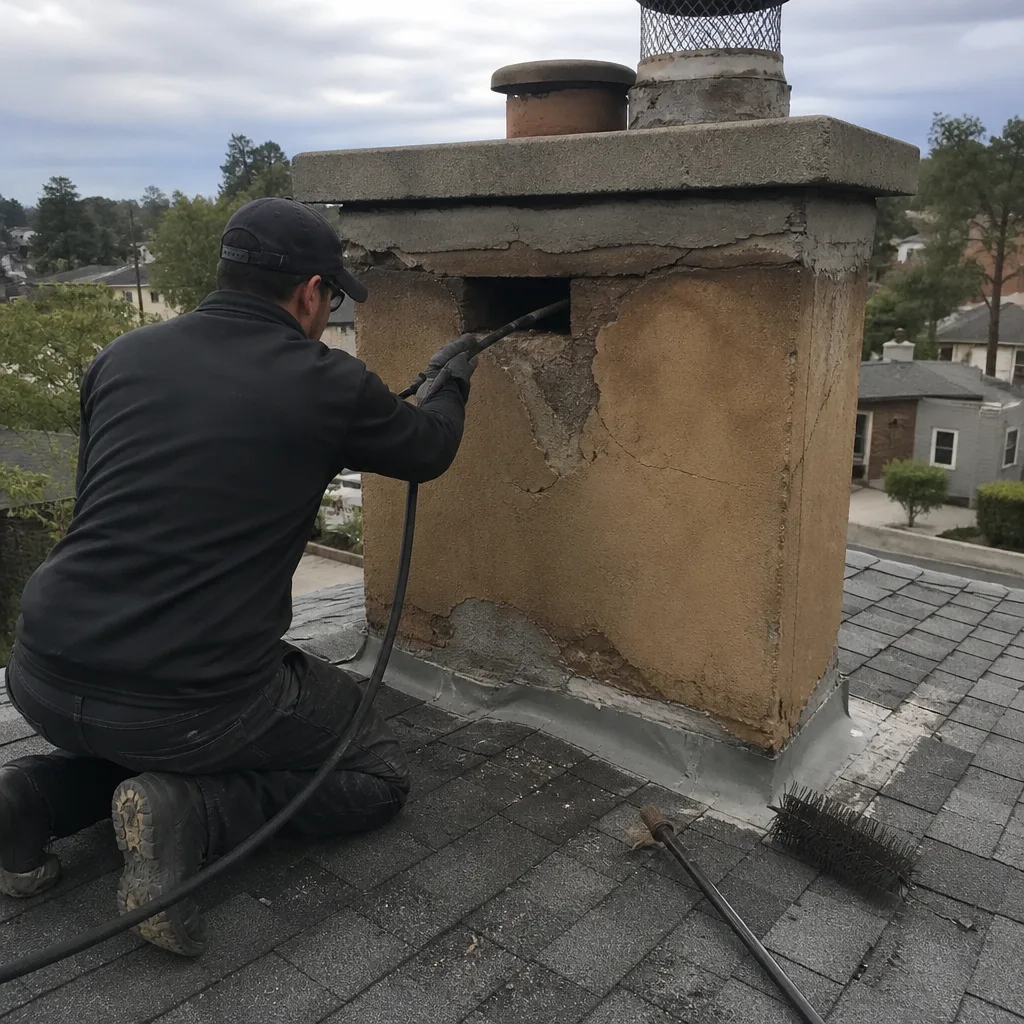 Before
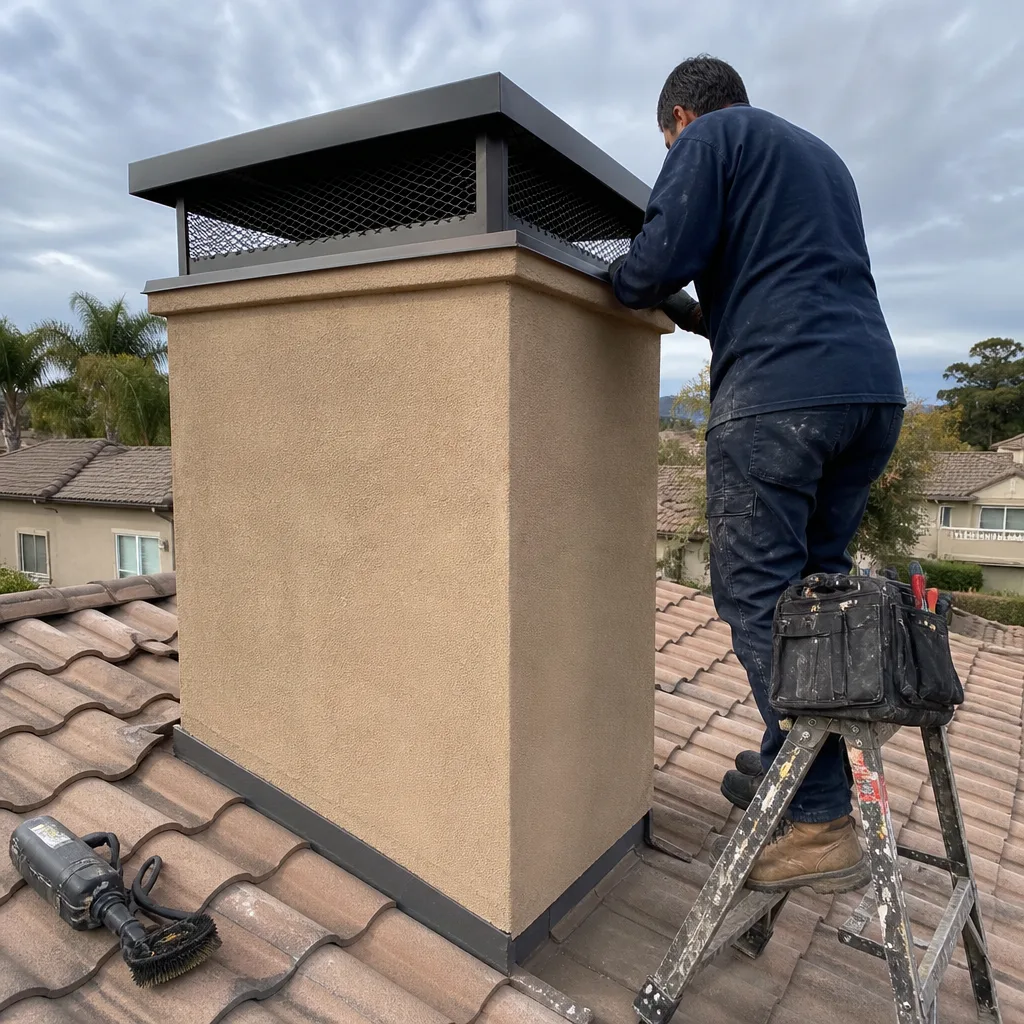 After
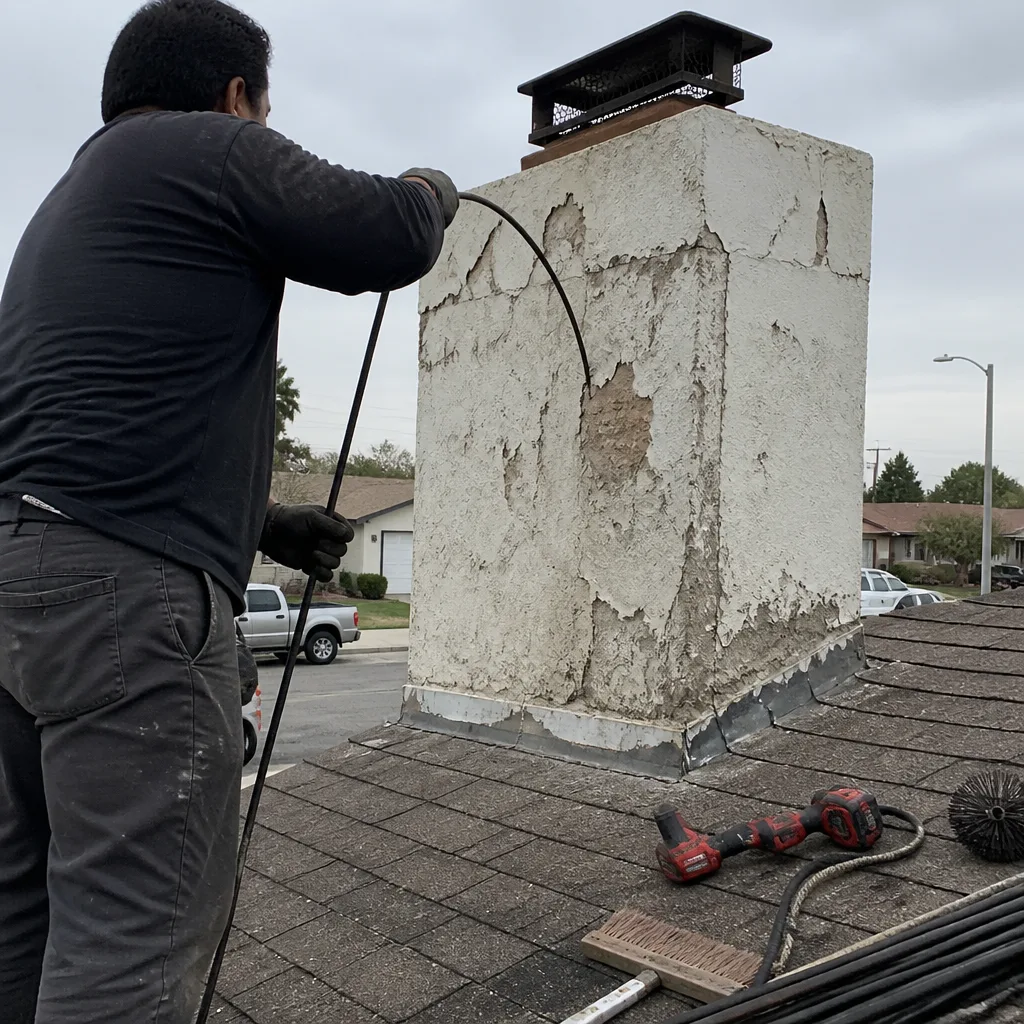 Before
 After
 Before
 After