Last updated October 30, 2026
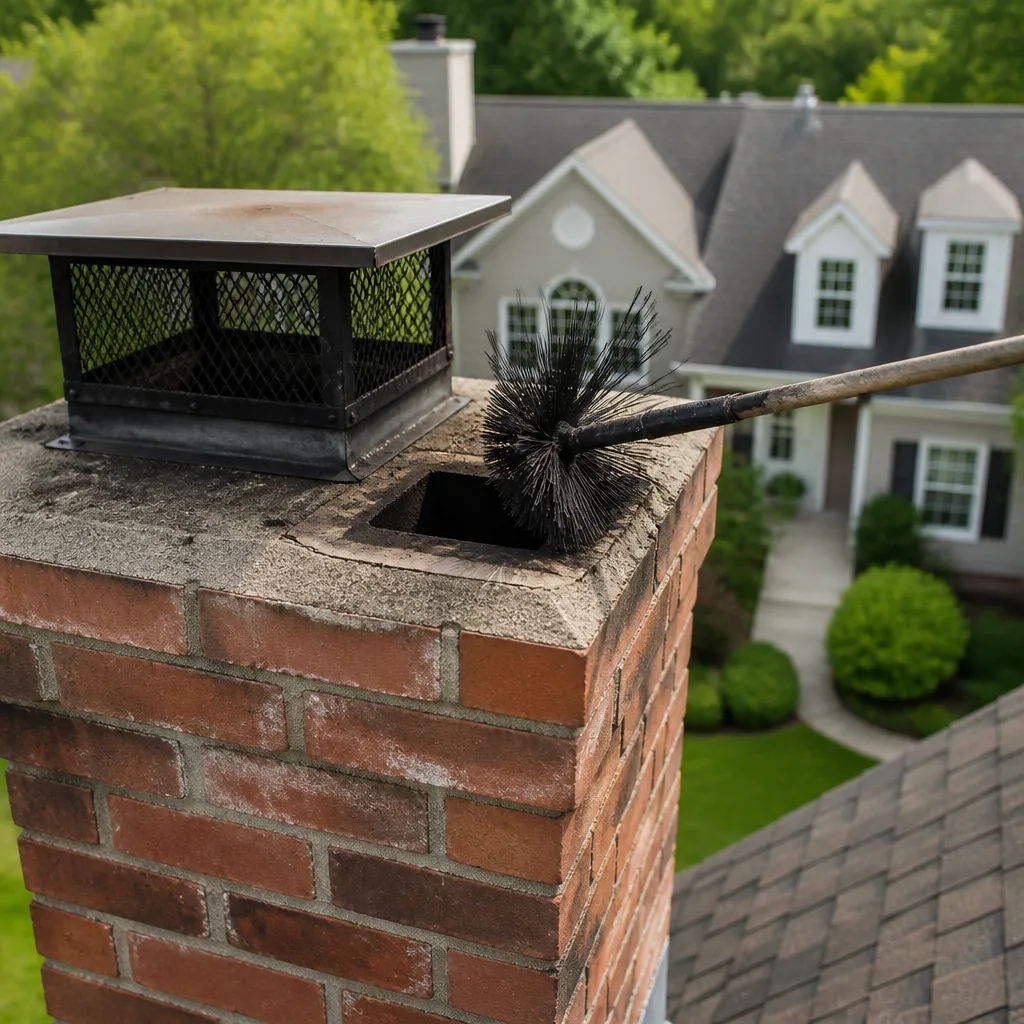 Sweep & inspection
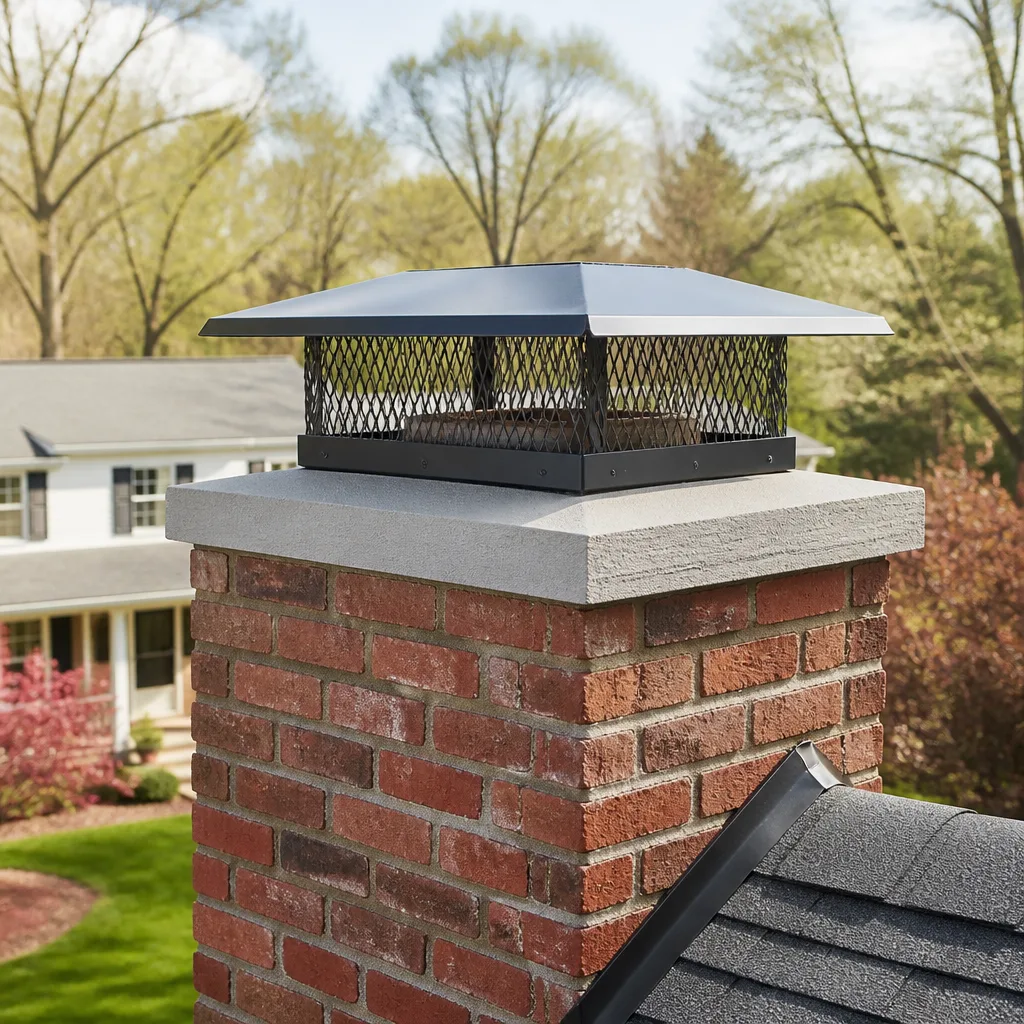 Caps & crowns
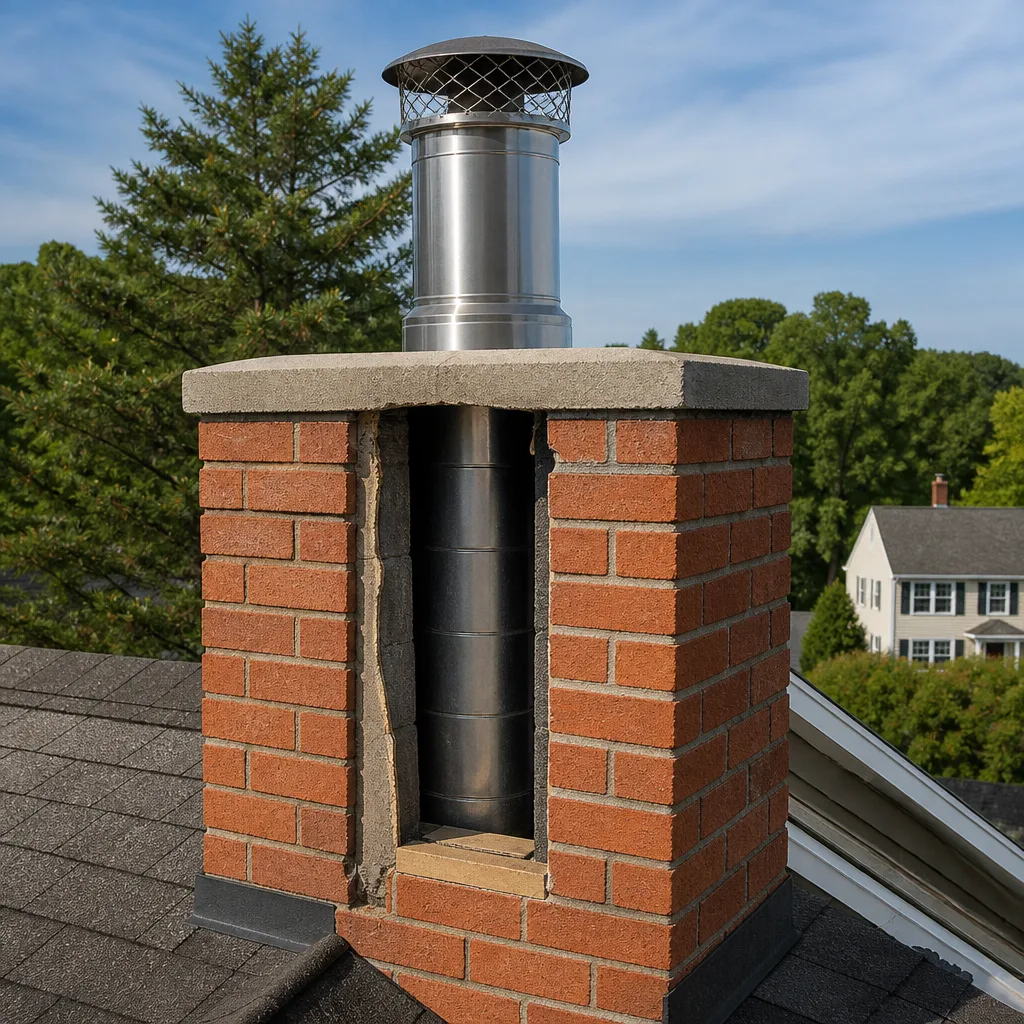 Flue relining
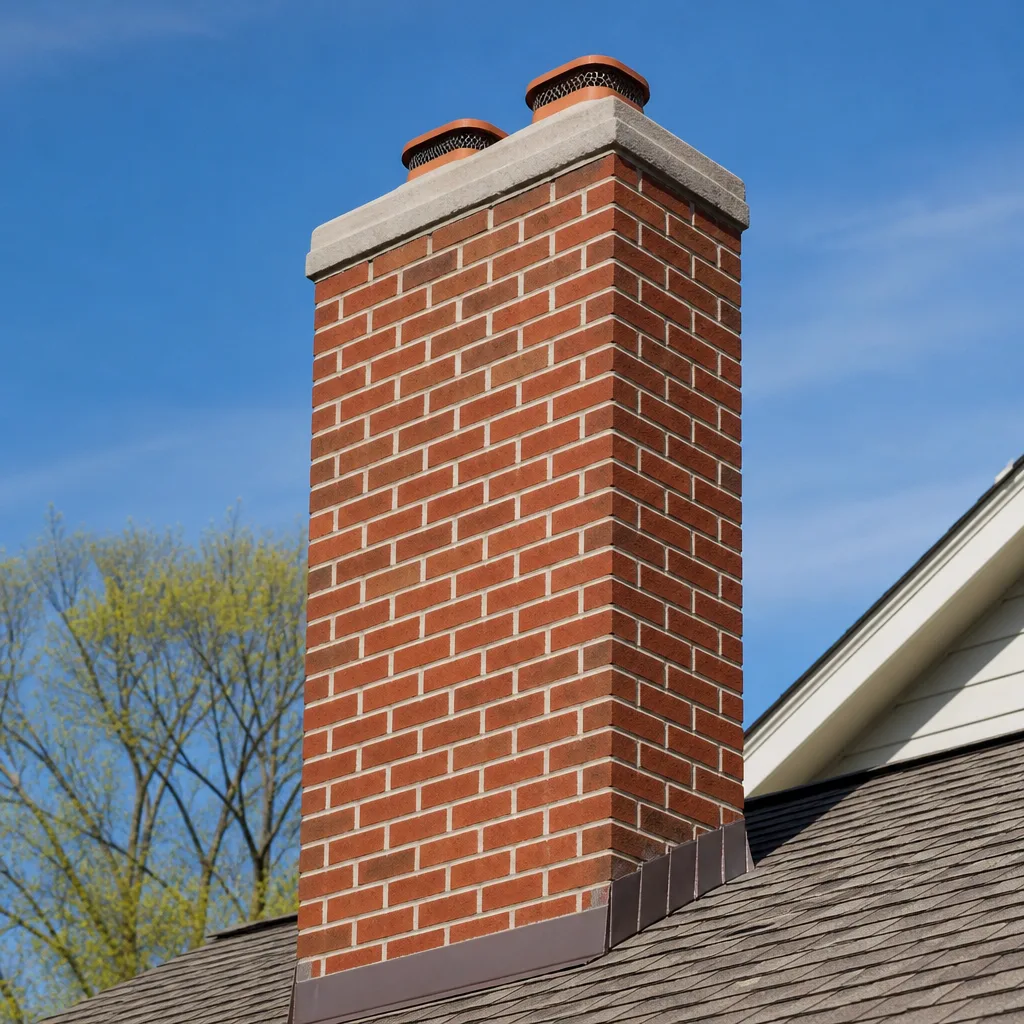 Masonry repair
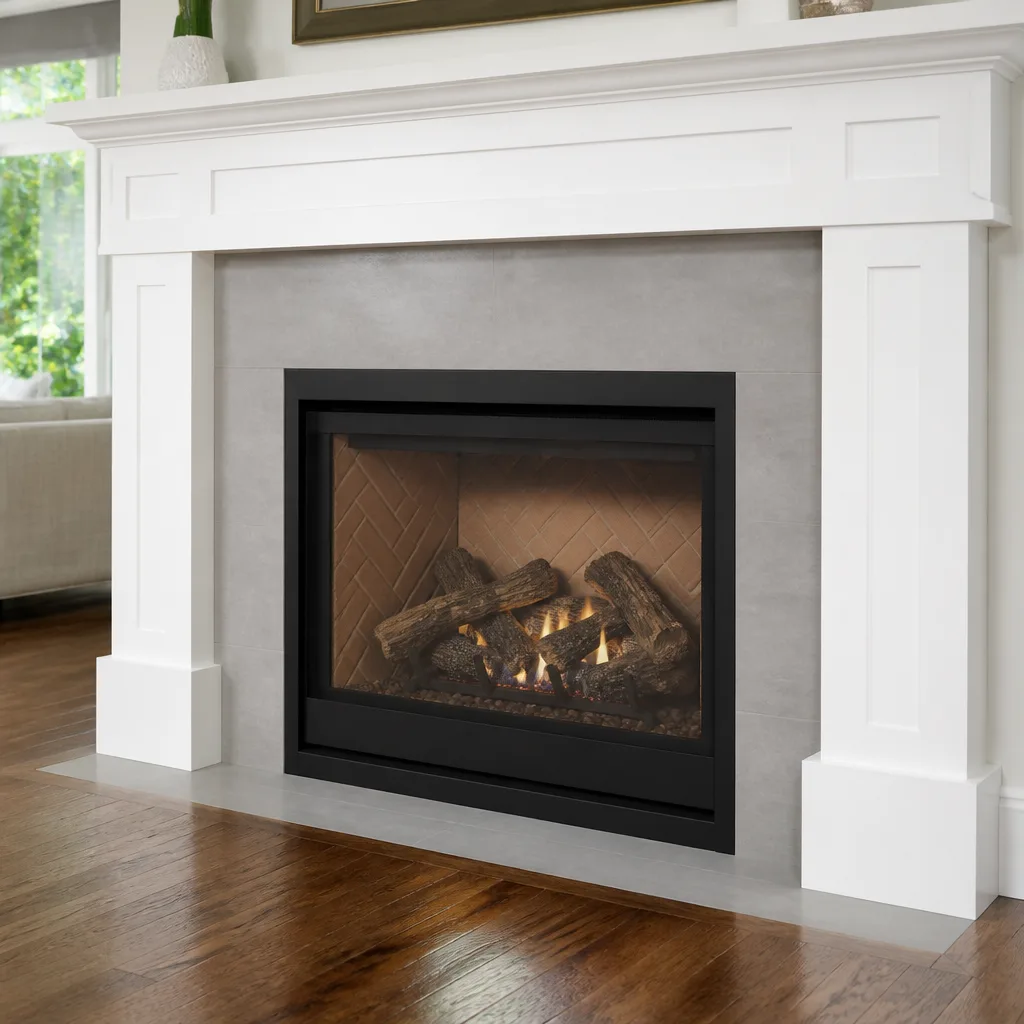 Gas fireplace service
Level 1 sweep and inspection to the NFPA 211 annual standard - flue, crown, cap, and flashing checked and photographed
Chimney sweep logs do not sweep chimneys. They loosen some creosote - which then falls where a brush and vacuum still have to collect it.
Chimney Cleaning Emergency Preparedness Guide for Fontana Homes
Most Fontana homeowners don’t discover their chimney has a problem until the moment it becomes dangerous. The National Fire Protection Association reports that roughly one in four house fires originating in the fireplace or chimney spreads because the homeowner reacted incorrectly in the first sixty seconds. Throwing water into a burning firebox during a chimney fire can shatter a clay liner and send superheated fragments into your wall cavity. This guide explains what actually works, what makes things worse, and how the maintenance decisions you make this month determine whether an emergency happens at all. For chimney cleaning warning signs every Fontana homeowner should know, see our reference guide. If you own a fireplace in Fontana, the next hour of reading could save your house.
Styles & brands we work with
Quick Answer
Chimney emergency preparedness in Fontana means knowing three distinct response protocols: how to react to an active chimney fire, how to recognize carbon monoxide symptoms before they incapacitate you, and how to handle smoke rollback during Santa Ana wind events. The single most important preparation step is annual chimney sweeping plus a documented inspection record, because the emergencies that do happen in Fontana homes are almost always preceded by visible, catchable conditions. Our Chimney Sweep Maintenance Checklist for Fontana Homeowners covers what to track.
Table of Contents
- The Three Chimney Emergencies Fontana Homeowners Actually Face
- Active Chimney Fire: The Step-by-Step Response Protocol
- Carbon Monoxide Events: Symptoms, Sources, and the Fontana Detection Layout
- Smoke Rollback and Santa Ana Backdraft: What Happens Before You Even Light the Fire
- After a Chimney Fire: What to Tell the Fire Department and What Not to Do
- The Post-Emergency Inspection Standard: Why Level 2 Is Non-Negotiable
- How Your Maintenance Record Creates or Prevents Emergencies
- The Fontana High-Wind Checklist: What to Do Before Lighting a Fire on Advisory Days
The Three Chimney Emergencies Fontana Homeowners Actually Face
When we talk about chimney emergencies, most people picture a chimney fire with flames shooting from the top of the flue like a Roman candle. That happens. But in Fontana, the three emergencies that actually threaten homes are broader, and two of them don’t involve visible flames at all. The first is the active chimney fire, caused by creosote ignition inside the flue. The second is carbon monoxide intrusion, which occurs when combustion gases can’t vent properly and instead seep into living space. The third is smoke rollback during high-wind conditions, where external air pressure forces smoke back down the chimney and into the home. Each one requires a different response, and the wrong response turns a containable event into structural damage or medical emergency.
What makes Fontana different from other parts of Southern California is the wind. The Santa Ana events that push through the Cajon Pass and sweep across the northern Inland Empire create pressure differentials that even well-maintained chimneys struggle against. We’ve inspected chimneys in the Etiwanda and Northgate areas after wind advisories where the system itself was clean, but the negative pressure inside the home pulled exhaust gases backward through the flue. Understanding these three failure modes is the foundation of any emergency plan for a Fontana fireplace.
Active Chimney Fire: The Step-by-Step Response Protocol
A chimney fire sounds different from a normal fire. It starts with a deep rumbling or roaring sound coming from inside the flue, often compared to a freight train or a low-flying jet. You may see dense smoke, flames at the chimney cap, or embers being thrown from the top of the chimney. If you notice any of these signs, the fire has already ignited the creosote deposits inside your flue and is burning at temperatures between 1,000 and 2,000 degrees Fahrenheit. Your response matters right now.
- Close the fireplace damper immediately. This cuts off the oxygen supply to the firebox and can slow the chimney fire by depriving it of air flow from below. Do this first.
- Close any glass doors on the fireplace if you have them. This further limits oxygen and helps contain flame spread.
- Evacuate every person and pet from the home. Do not stop to gather belongings. Chimney fires can breach the flue liner and spread into attic or wall spaces within minutes.
- Call 911 from outside the house. Tell the dispatcher you have a chimney fire, not a house fire, so the responding crew knows what they’re looking for.
- After the fire department clears the scene, do not relight anything. The flue has been subjected to extreme heat and the liner may be cracked, warped, or separated. You need a Level 2 inspection before any further use.
Do not throw water into the firebox during a chimney fire. Water hitting superheated clay or masonry can cause thermal shock, cracking the liner. That crack becomes a pathway for fire and gases to reach combustible framing. It is one of the most common ways a chimney fire becomes a house fire. Do not climb onto the roof to try to extinguish the fire yourself. The structural integrity of the chimney may already be compromised.
Carbon Monoxide Events: Symptoms, Sources, and the Fontana Detection Layout
Carbon monoxide is odorless, colorless, and produces symptoms that are easy to misread as the flu: headache, nausea, dizziness, confusion, and a general feeling of being unwell that improves when you leave the house. In Fontana homes with gas fireplaces, forced-air furnaces, and attached garages, the potential sources of CO are multiple, which means the detection strategy needs to account for all of them, not just the fireplace. If your CO alarm sounds, or if multiple people in the household develop symptoms at the same time, treat it as an emergency. Get everyone outside and call 911 from outside the door. Do not ventilate the house before the fire department arrives, because that makes it harder to locate the source.
The detection layout that actually works for Fontana homes is specific. Place one CO alarm on each floor, including the basement if you have one. Install one within fifteen feet of every sleeping area. If you have a gas fireplace, install an alarm in the same room as the fireplace, mounted on the wall at eye level. If your garage is attached to the house, install an alarm in the room directly above or adjacent to the garage. Do not place CO alarms inside the fireplace firebox, directly above a stove, or in a dead air space like a ceiling corner where air doesn’t circulate. Test every alarm quarterly and replace the units every seven years, because the sensors degrade even if the alarm still beeps when you press the button.
Gas fireplace chimneys in Fontana are vulnerable to a specific failure mode: the flue can become partially blocked by bird nests, fallen masonry, or accumulated debris, and the gas appliance continues to burn without venting properly. Because gas flames produce less visible smoke than wood, the homeowner has no visual cue that something is wrong. This is why we treat every gas fireplace as a ventilation system that requires inspection, not just a decorative fixture. If you haven’t had your gas fireplace flue inspected in the last two years, the next fire you light is running on unknown conditions.
Smoke Rollback and Santa Ana Backdraft: What Happens Before You Even Light the Fire
During Santa Ana events in Fontana, wind gusts regularly exceed 40 miles per hour, and sustained winds in the 20 to 30 mile per hour range are common. Those winds create what’s called a venturi effect at the chimney cap: air rushing across the opening creates a localized low-pressure zone that actually pulls air down the flue rather than letting it rise naturally. When you add in the negative pressure inside a modern Fontana home, created by exhaust fans, forced-air systems, and tight weather sealing, you get smoke rollback even in a chimney that was swept two weeks earlier. The flue is clean; the physics are working against you.
Before lighting a fire on a high-wind advisory day, there are practical steps to take. First, check the current wind conditions. If gusts are above 25 miles per hour, consider skipping the fire entirely, because backdraft risk increases sharply at that threshold. Second, if you do light a fire, start small. Build a small fire with dry kindling and give it ten minutes to establish proper draft before adding larger logs. A cold chimney in high wind is the most likely scenario for backdraft. Third, open a window in the same room as the fireplace by about one inch. This equalizes pressure between inside and outside and can reduce the negative pressure that pulls smoke backward. Fourth, check that your damper is fully open, and fifth, turn off exhaust fans, range hoods, and bathroom fans while the fire burns. Each of those appliances pulls air out of the home and competes with the chimney for available airflow.
If smoke does roll back into the living space despite these precautions, open windows on the windward and leeward sides of the house to create cross-ventilation, close the fireplace damper, and extinguish the fire. Then call us for an assessment. Persistent backdraft issues in Fontana homes are often caused by chimney height relative to the roofline, which is a structural correction, not a cleaning issue.
After a Chimney Fire: What to Tell the Fire Department and What Not to Do
When the fire department arrives, give them specific information. Tell them the fire is in the chimney, not the firebox. Tell them what you were burning: wood, gas logs, manufactured logs. Tell them how long the fire had been burning before you noticed the roaring sound. Tell them whether you saw flames at the chimney cap or just smoke. These details help them determine whether the fire has already breached the liner or is still contained within the flue. After they extinguish the fire and leave, the hard rule is this: do not light another fire in that fireplace until a Level 2 inspection has been performed and the system has been cleared in writing.
There are specific things homeowners do after a chimney fire that make the damage worse. Do not poke at the chimney from the roof to see if the masonry is loose. Do not run a chimney brush up the flue yourself to check for cracks; you may dislodge damaged material and create a new blockage. Do not plug the chimney opening with a plastic bag or tarp and call it good. Trapping moisture inside a damaged flue accelerates deterioration. Do not rely on the fire department’s assessment that the fire is out to mean the chimney is safe. The fire department’s job is extinguishment, not structural evaluation. The word “out” applies to flame, not to cracks, separated mortar joints, or heat-damaged metal components.
What you should do: document what you observed during the fire, including the sounds, the smoke color, and the duration. That information is genuinely useful to the inspector. Then schedule a Level 2 inspection. In Fontana, chimney fires in older homes with original clay liners are particularly prone to hidden liner damage, because terracotta tiles crack under thermal stress without showing visible damage from the exterior. If the liner is cracked, the chimney becomes a fire risk every single time you use it, even if the creosote was cleaned away.
The Post-Emergency Inspection Standard: Why Level 2 Is Non-Negotiable
The chimney inspection industry recognizes three levels. A Level 1 inspection is the standard annual check for a system that hasn’t changed and has no known problems. A Level 3 inspection is a destructive, invasive evaluation involving demolition when severe damage is suspected. Level 2 is the one required after any fire event, weather event, seismic activity, or change in the system: new fuel type, new liner, fireplace conversion, or a sale transaction. A Level 2 inspection includes everything in Level 1 plus visual inspection of accessible areas in the attic, crawl space, and roof, and it typically involves video camera scanning of the flue interior.
The reason Level 2 is non-negotiable after a chimney fire is simple. A Level 1 inspection looks at the visible surfaces: the firebox, the damper, the accessible portion of the flue from above and below. It cannot see what happened in the middle of the flue, where temperatures were highest. A level 2 inspection uses a camera to document every inch of the liner surface, showing hairline cracks, spalling, joint separation, and heat damage that are invisible to the naked eye. If you relight a fireplace with a cracked liner, you are one fire away from a structure fire. This is not an exaggeration. The liner is the only barrier between combustion gases and the combustible framing of your home.
We perform Level 2 inspections in Fontana with camera documentation. The homeowner sees the footage. When we recommend a repair, you can see the crack or separation on the screen with your own eyes. If the liner is failing, HeatShield lets us restore it rather than just document the problem and hand you a report. For homeowners who have been told by another company that they need a full liner replacement, a second opinion with camera evidence is the difference between a $4,000 repair and a $1,200 one. We repair with the same materials professional contractors specify, including DuraFlex liner systems and restoration products distributed through the professional chimney trade, and we don’t recommend anything we can’t show you on camera.
How Your Maintenance Record Creates or Prevents Emergencies
Every chimney emergency in Fontana shares a common thread: the conditions that caused it were present and detectable before the event. Creosote doesn’t appear overnight. A cracked liner doesn’t happen spontaneously. Bird nests don’t build themselves in ten minutes. The chimney that fires during a Santa Ana wind event is the chimney that hasn’t been swept in three years, or the one where the homeowner ignored the smell of smoke on windy days, or the one where the gas fireplace was never inspected because it seemed fine. Your maintenance record is not a formality. It is the document that determines whether the next fire in your fireplace is a pleasant evening or a call to 911.
Annual chimney sweeping is the baseline, and it applies to both wood-burning and gas fireplaces. Wood-burning systems produce creosote, which is the fuel source for chimney fires. Gas systems produce less visible byproduct but still require inspection for blockage, corrosion, and venting issues. We recommend scheduling your annual sweep in late summer or early fall, before the first fire of the season and before the rainy season arrives. Check our Chimney Cleaning Permits, Codes & Inspections in CA: What You Need to Know to stay compliant. Chemical creosote removers and “sweep logs” do not replace professional removal. They soften some creosote but leave the bulk of it in place, and they provide no inspection of the flue condition. The only way to know whether your chimney is safe is to have a professional look at it, including the parts you cannot see from the living room.
For Fontana homeowners specifically, the record matters more because of the wind. A home in Huntington Beach with a clean chimney rarely experiences backdraft. A home in Fontana with a clean chimney can still experience backdraft under the right pressure conditions. That means the failure point here is more often the inspection findings than the cleaning itself. When we perform a Chimney Sweep in Fontana, we’re looking for the things that wind exposure accelerates: crown cracks, cap damage, liner wear at the top of the flue. Those are the findings that determine whether a high-wind day becomes a smoke rollback event or a non-issue.
The Fontana High-Wind Checklist: What to Do Before Lighting a Fire on Advisory Days
When the National Weather Service issues a high-wind advisory for the Inland Empire, that’s the moment to run through a checklist before you even think about a match. The checklist takes five minutes and it’s the difference between a good fire and a house full of smoke. We built this list from the calls we receive in Fontana during every Santa Ana event: the family lights a fire on a windy evening, smoke rolls into the living room, someone calls us in a panic, and the problem is predictable and preventable.
- Check wind speed and direction. If gusts are above 25 mph, consider waiting a day. The venturi effect at the chimney cap intensifies with wind speed, and the risk of backdraft increases non-linearly.
- Open a window one inch in the same room as the fireplace. This equalizes pressure and gives the chimney the air it needs to draft upward.
- Turn off all exhaust appliances. Range hoods, bathroom fans, whole-house fans, and clothes dryers all pull air out of the house and create negative pressure that fights the chimney draft.
- Check the damper. Fully open is the only correct position for a burning fire. A partially closed damper restricts the flue opening and slows the draft.
- Build a small fire first. Use dry kindling and establish upward draft before adding larger logs. A cold chimney on a windy night is slow to heat and slow to draft.
- Watch the first ten minutes carefully. If smoke wavers or backs down the flue at any point, the draft hasn’t established. Close the damper, extinguish the fire, and try another night.
This checklist doesn’t fix a chimney that has structural or blockage issues. If the flue is partially blocked by a bird nest or a collapsed section of liner, no amount of window-opening will fix the draft. That’s what the annual inspection is for. What the checklist does is handle the wind factor, which in Fontana is the variable that changes fastest and causes the most surprise. We see this in the Southridge and Sierra Lakes neighborhoods every fall: the Santa Anas kick up, and the calls start coming in.
The Connected Ventilation Problem: When the Chimney Isn’t the Only System Involved
A Fontana home is a sealed system of connected air flows. The chimney is one vent. The dryer vent is another. The bathroom fans, the range hood, the furnace flue, and the water heater vent are all pulling or pushing air in the same envelope. When one of these systems is compromised, the others feel it. A clogged dryer vent doesn’t just create a fire risk in the laundry room; it creates a pressure imbalance that can affect how the chimney drafts. A neglected furnace flue doesn’t just risk CO intrusion; it changes the total ventilation profile of the home. This is why we treat Dryer Vent Cleaning in Fontana as a fire-safety service on equal footing with chimney sweeping, not as a minor add-on or an upsell.
The practical implication for emergency preparedness is that you should not isolate the chimney from the rest of the ventilation system. If your dryer takes longer than forty minutes to dry a load, the vent is restricted. If you see lint accumulating around the dryer or the laundry room feels humid during a cycle, that’s a blockage that’s building toward a fire. The U.S. Fire Administration reports that clothes dryers cause roughly 2,900 house fires every year, and the leading cause is failure to clean the vent. In Fontana, where dry air and static contribute to lint accumulation, the risk is real year-round, not just during the heating season. Your dryer vent is a fire-risk system, not an afterthought.
When we do a Chimney Repair in Fontana or a full ventilation assessment, we look at the whole system, not just the flue. The chimney might be clean, but if the furnace flue is corroded or the dryer vent is packed with lint, the home is not safe in the way the homeowner assumes it is. Ashwood handles the whole flue, not just the easy parts. That means the emergency you’re preparing for is less likely to happen, because the system-level problems were caught and corrected before they compounded.
Common Mistakes to Avoid
- Throwing water on a chimney fire from inside the firebox. Thermal shock cracks clay liners and creates a path for fire to reach the framing. The correct response is to close the damper, evacuate, and call 911.
- Ignoring CO symptoms because they match the flu. If multiple people in the house feel ill at the same time and symptoms improve when you leave, that’s carbon monoxide until proven otherwise. Get out and call 911.
- Lighting a fire on every high-wind advisory day without checking conditions. In Fontana, the Santa Anas are the primary driver of smoke rollback calls. Wind speed above 25 mph is the threshold where risk rises sharply.
- Using chemical creosote removers as a replacement for professional sweeping. These products soften creosote but don’t remove it, and they provide no inspection of the flue condition. The inspection is the part that finds cracks and blockages.
- Relighting a fireplace after a chimney fire without an inspection. The liner may be cracked even if the fire was contained. A Level 2 inspection with camera documentation is the only way to know.
- Considering the dryer vent to be unrelated to chimney safety. The ventilation systems in a home share the same air envelope. A blocked dryer vent creates pressure imbalances and is an independent fire risk. Clean it annually.
- Waiting until the first cold night to inspect the chimney. By then, the sweep schedule is booked and you’re lighting a fire in a system you haven’t seen since last spring. Schedule the annual sweep in late summer.
When to Call a Professional
Call a professional when you hear the roaring sound of a chimney fire, when you smell smoke in the house on a day the fire isn’t lit, when you see white staining or cracked mortar on the exterior chimney, when your CO alarm sounds, when smoke rolls back into the living space during wind events, or when an inspection report from another company recommends work you don’t understand. Call before you light the first fire of the season if the chimney hasn’t been inspected in over a year. Call if you bought a home in Fontana and the seller didn’t provide a chimney inspection report. Ashwood Chimney Sweep offers free estimates in Fontana. Call (833) 805-3229 and we’ll assess the situation with camera documentation so you can see the condition yourself.
Frequently Asked Questions
Annually, regardless of fuel type. Wood-burning fireplaces should be swept after every cord of wood burned or every year, whichever comes first. Gas fireplaces should be inspected annually even though they produce less visible byproduct. In Fontana, annual sweeping is especially important because wind exposure accelerates cap and crown deterioration, which creates the conditions for blockages and backdraft. Call (833) 805-3229 to schedule a sweep before burning season.
A chimney fire sounds like a freight train or a low-flying jet coming from inside the chimney. It’s a deep rumbling or roaring that doesn’t match the normal sound of a wood fire. If you hear it, close the damper, evacuate, and call 911 from outside the house.
Yes. Sustained winds above 25 miles per hour create pressure differentials at the chimney cap that can overwhelm normal draft. Combined with negative pressure inside the home from exhaust fans and tight sealing, smoke rollback happens even in clean chimneys. Open a window one inch before lighting the fire, and skip the fire on the windiest days.
Yes. A Level 2 inspection with video documentation is the only way to see internal liner damage that is invisible from the firebox or the roof. Relighting a fireplace with a cracked liner is gambling with a structure fire, and the crack might be in the middle of the flue where no visual inspection can reach without a camera.
Cleaning removes creosote, soot, and debris from the flue surface. Inspection evaluates the structural condition of the liner, masonry, cap, and crown. A clean chimney can still have a cracked liner or a deteriorating crown. Professional sweeping should always include inspection, and any repair recommendation should come with camera evidence you can see.
Yes. Gas fireplaces don’t produce creosote, but they do produce corrosion in the liner and venting components, and they are susceptible to blockages from birds and debris. A blocked gas chimney vents carbon monoxide into the home, not up the flue. Annual inspection is the minimum. Call (833) 805-3229 for a gas fireplace assessment in Fontana.
The Bottom Line
Chimney emergencies in Fontana are preventable in almost every case. The active chimney fire happens in a dirty flue. The carbon monoxide event happens in a blocked or corroded vent. The smoke rollback on a windy night happens in a chimney that hasn’t been inspected for wind-related damage. The response protocols matter, and knowing what not to do, especially with water, matters just as much. The strongest emergency plan is the one that makes the emergency less likely: annual sweeping, documented inspection findings, camera evidence for any recommended repair, and a detection layout that accounts for every combustion source in the home. If you’re not sure where your system stands, start with a sweep and a look at the whole flue. Ashwood Chimney Sweep home services cover assessment and repair in one call, so you’re not juggling three contractors to get one straight answer.
Written by the team at Ashwood Chimney Sweep, serving Fontana since 2012. Browse more guides & resources on fireplace safety and maintenance.
See the difference
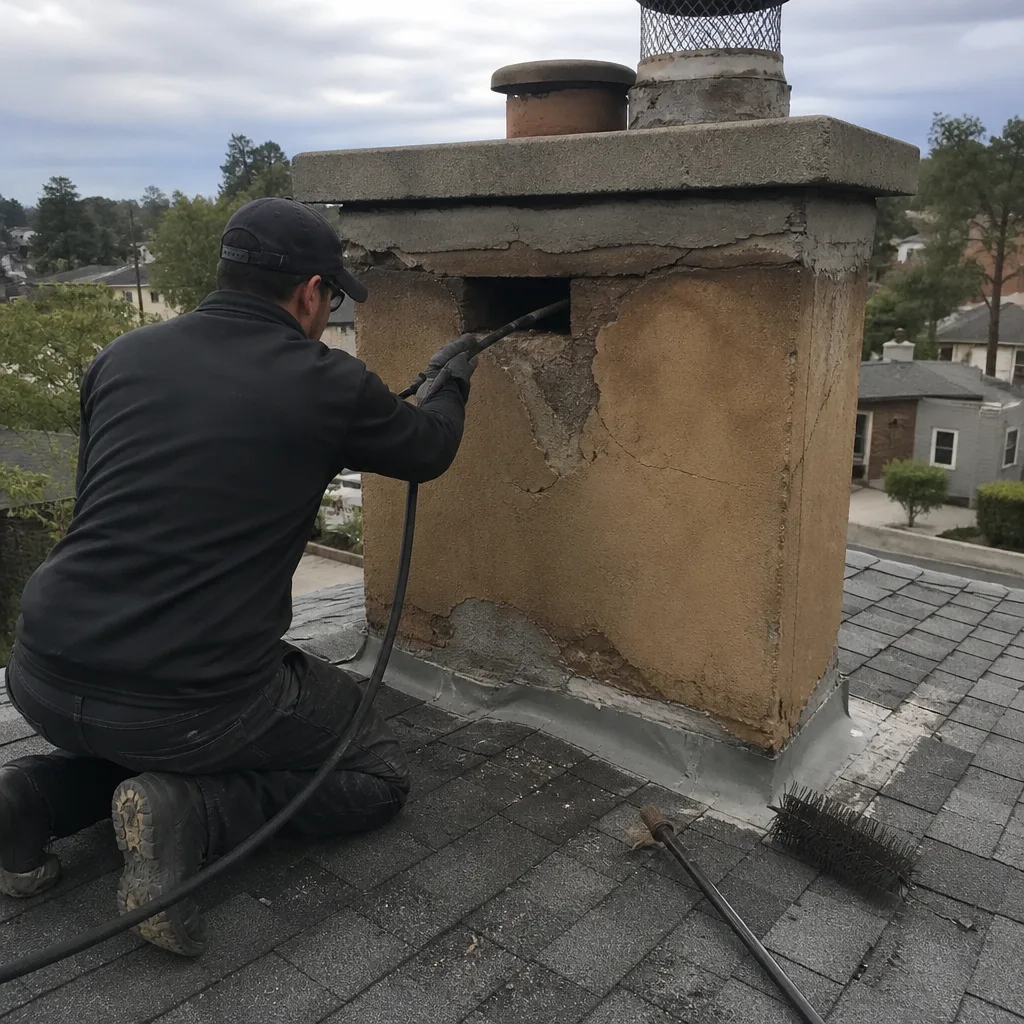 Before
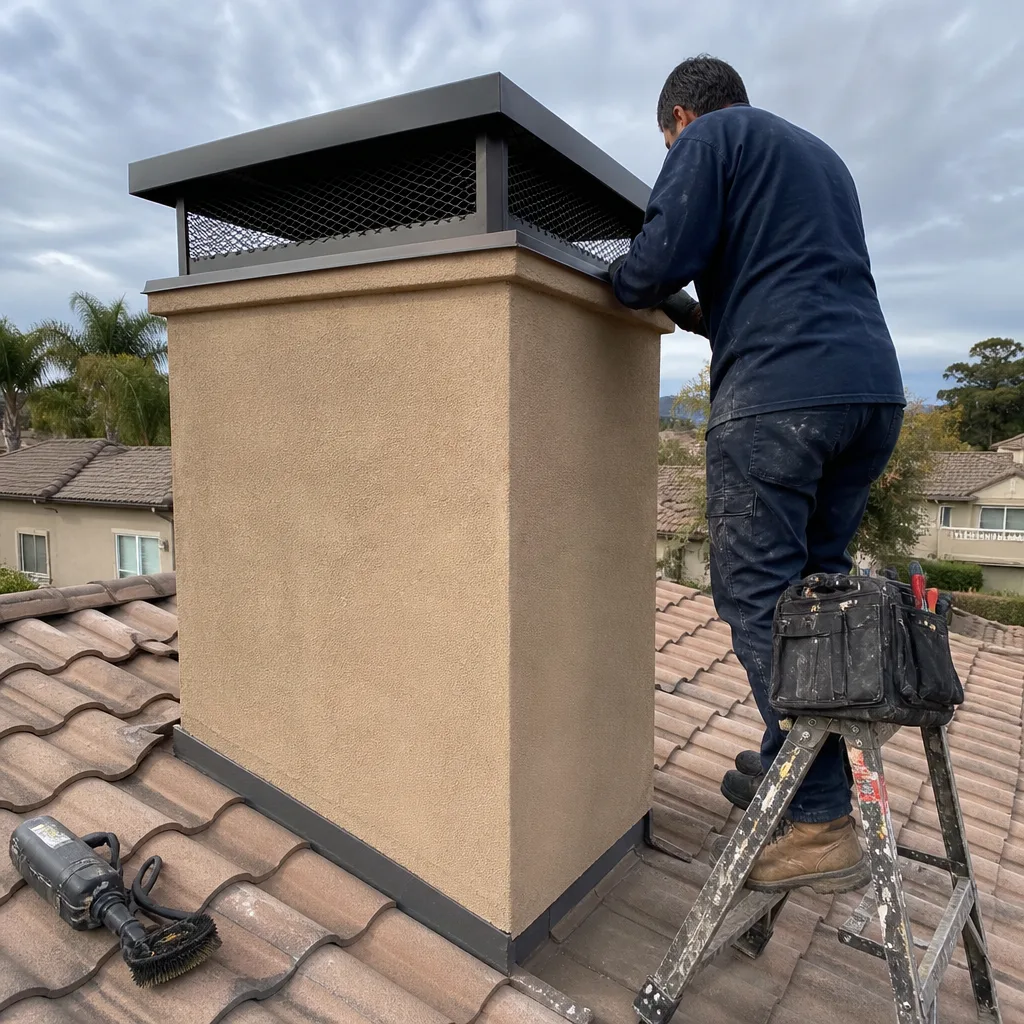 After
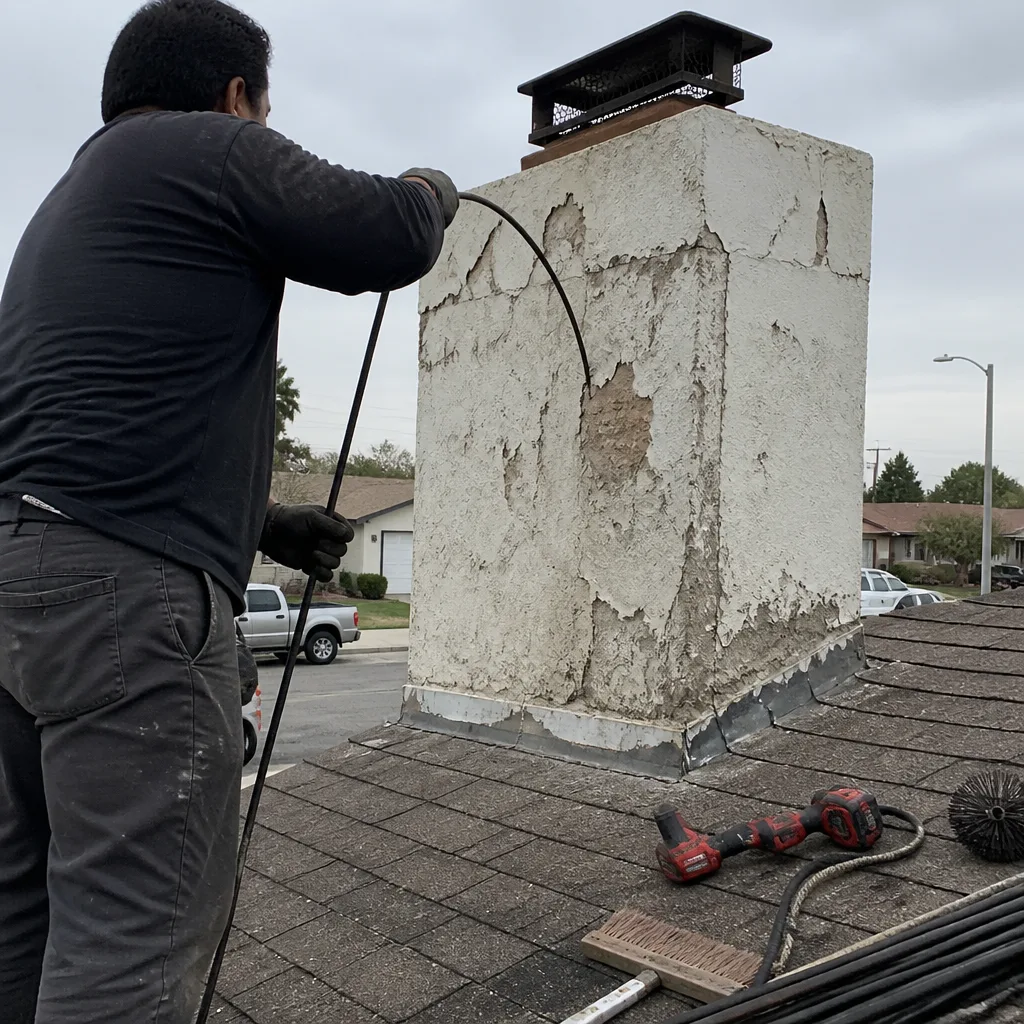 Before
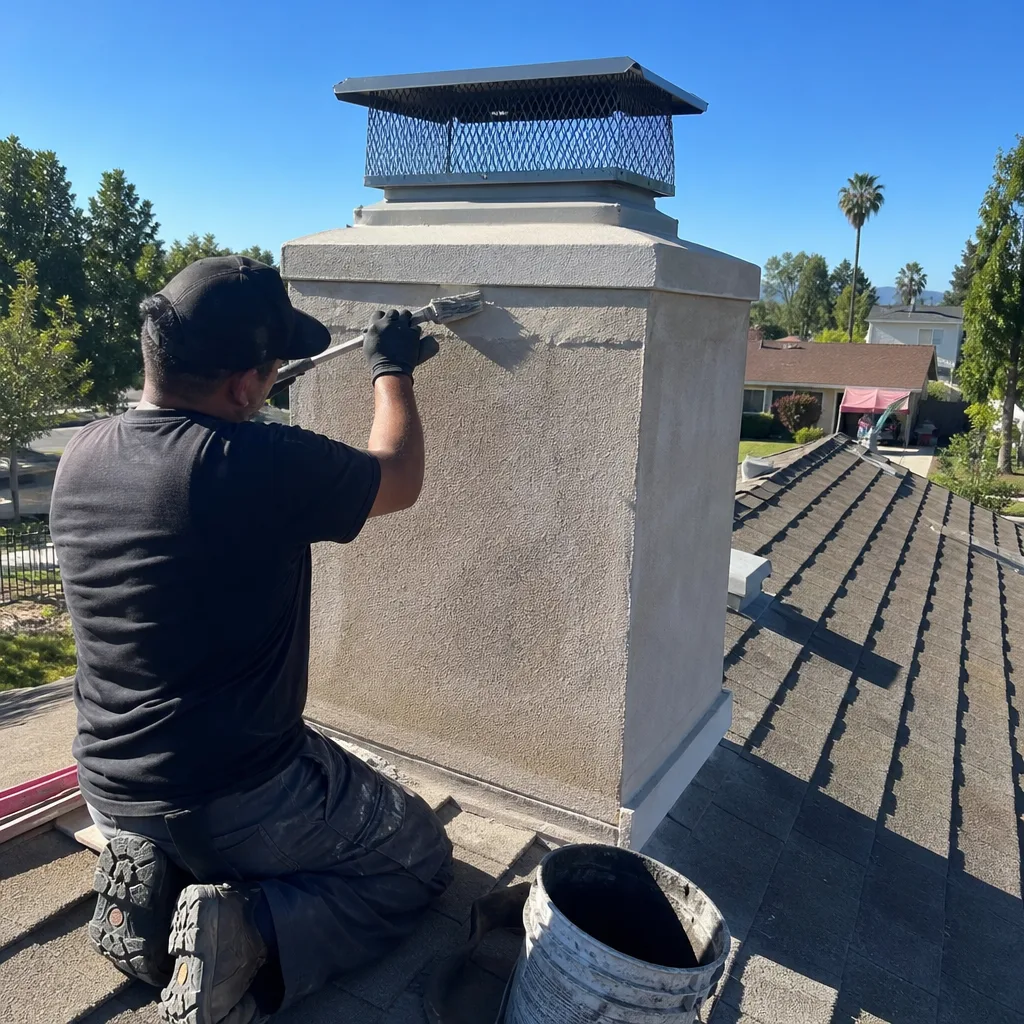 After
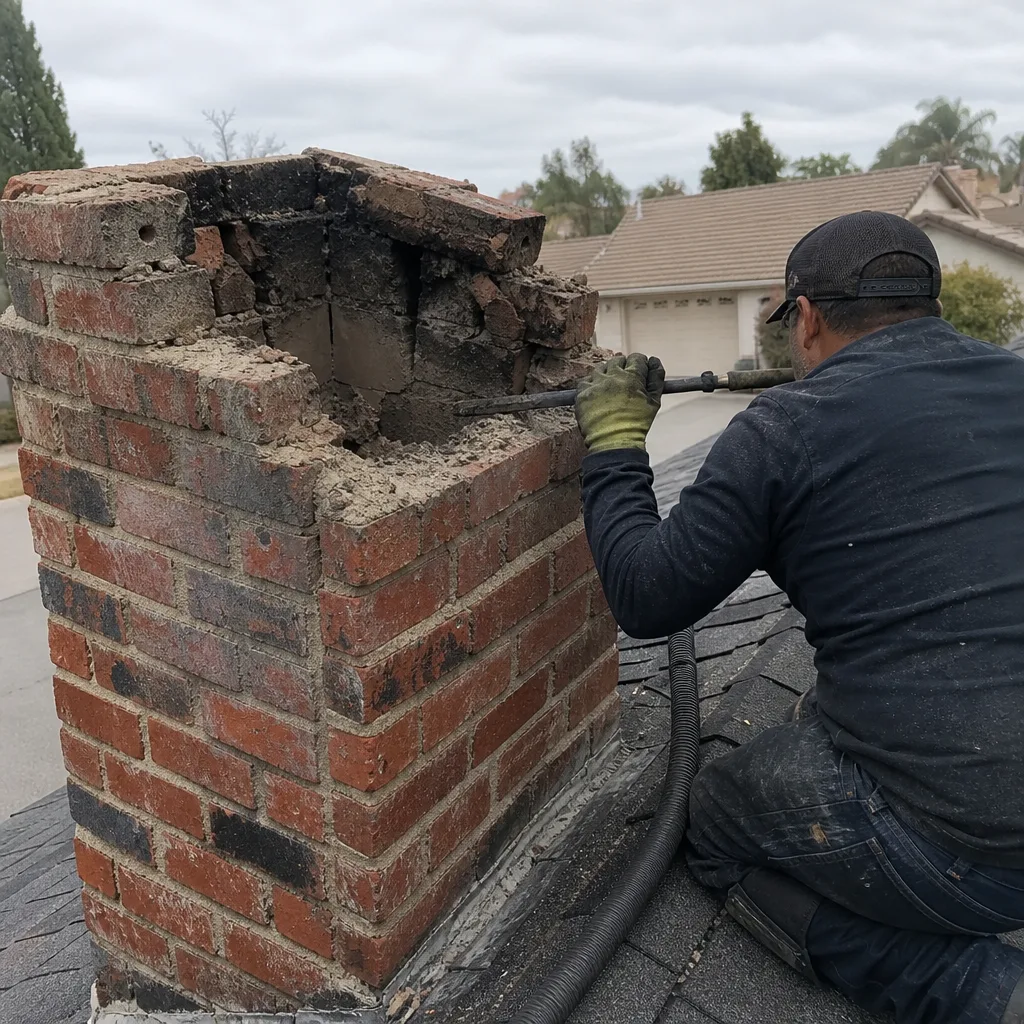 Before
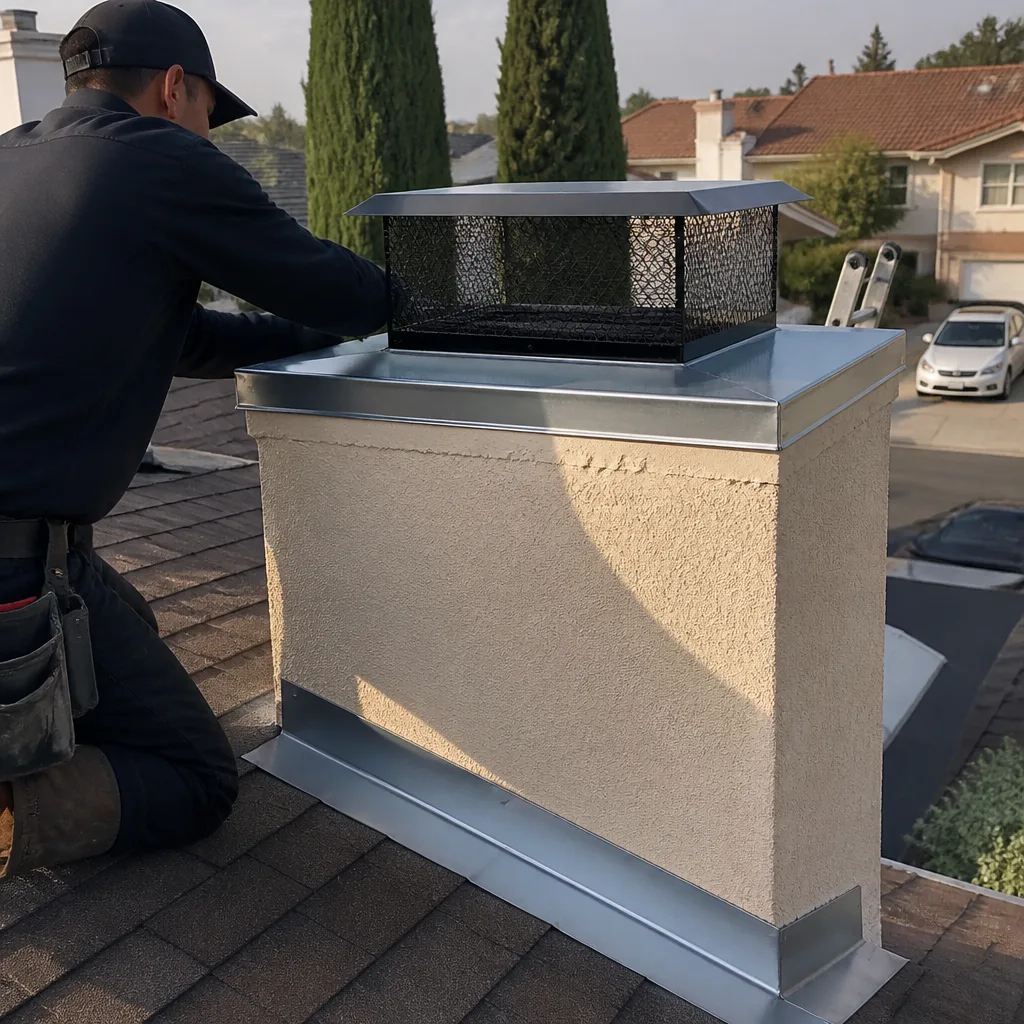 After