
Last updated October 30, 2026
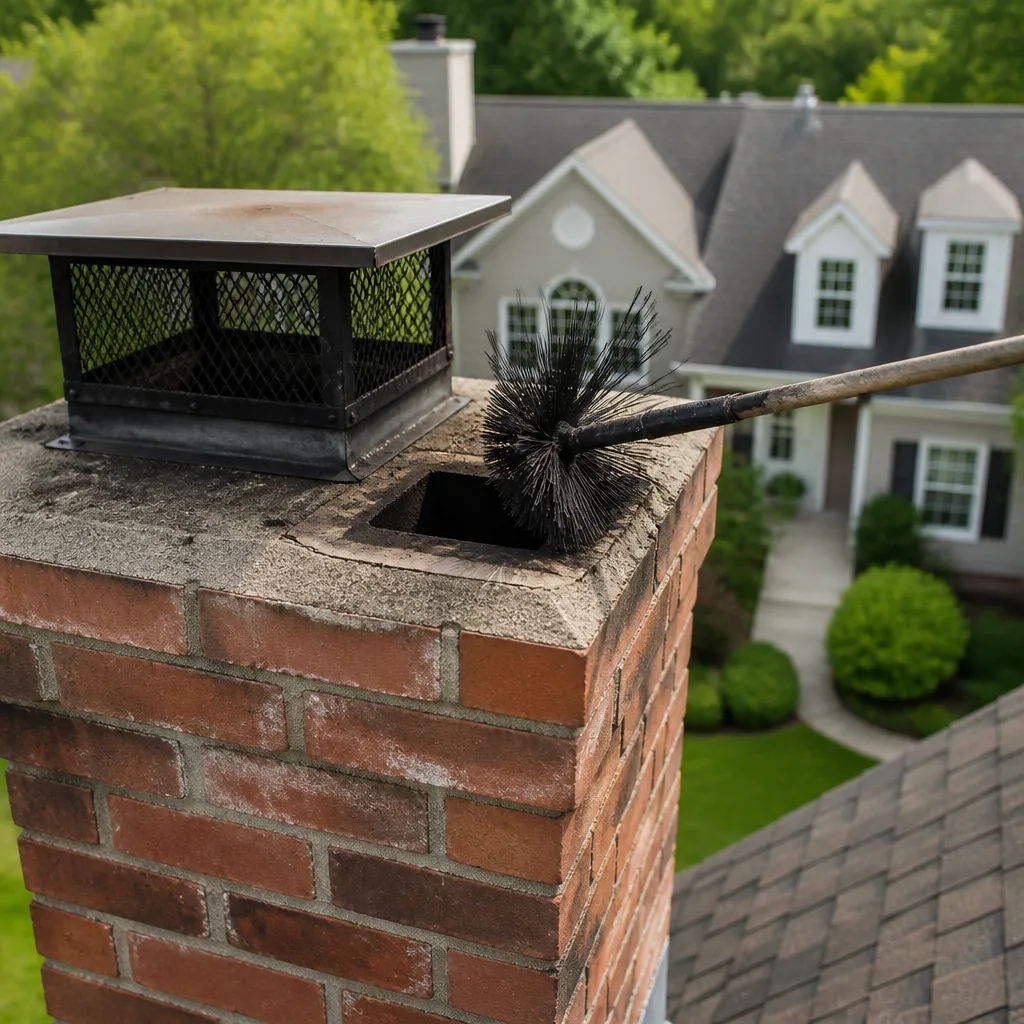 Sweep & inspection
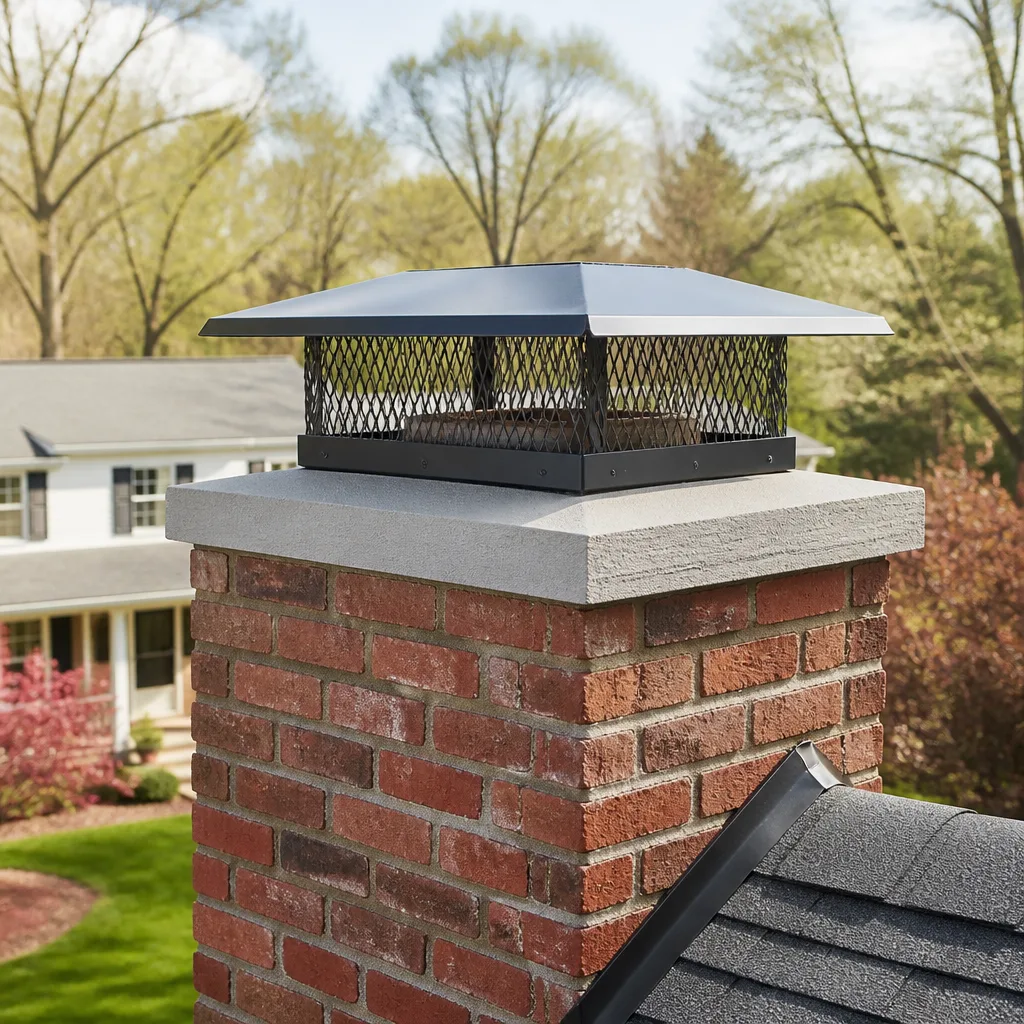 Caps & crowns
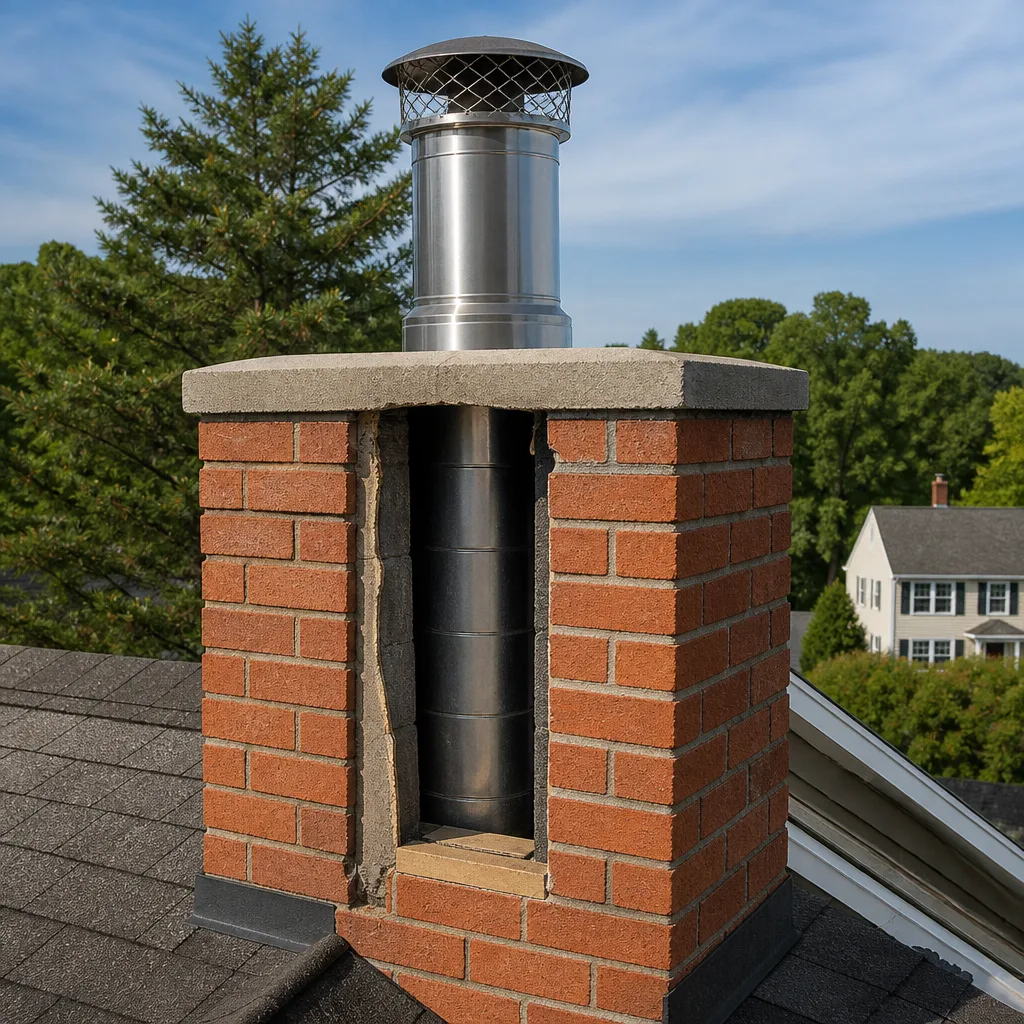 Flue relining
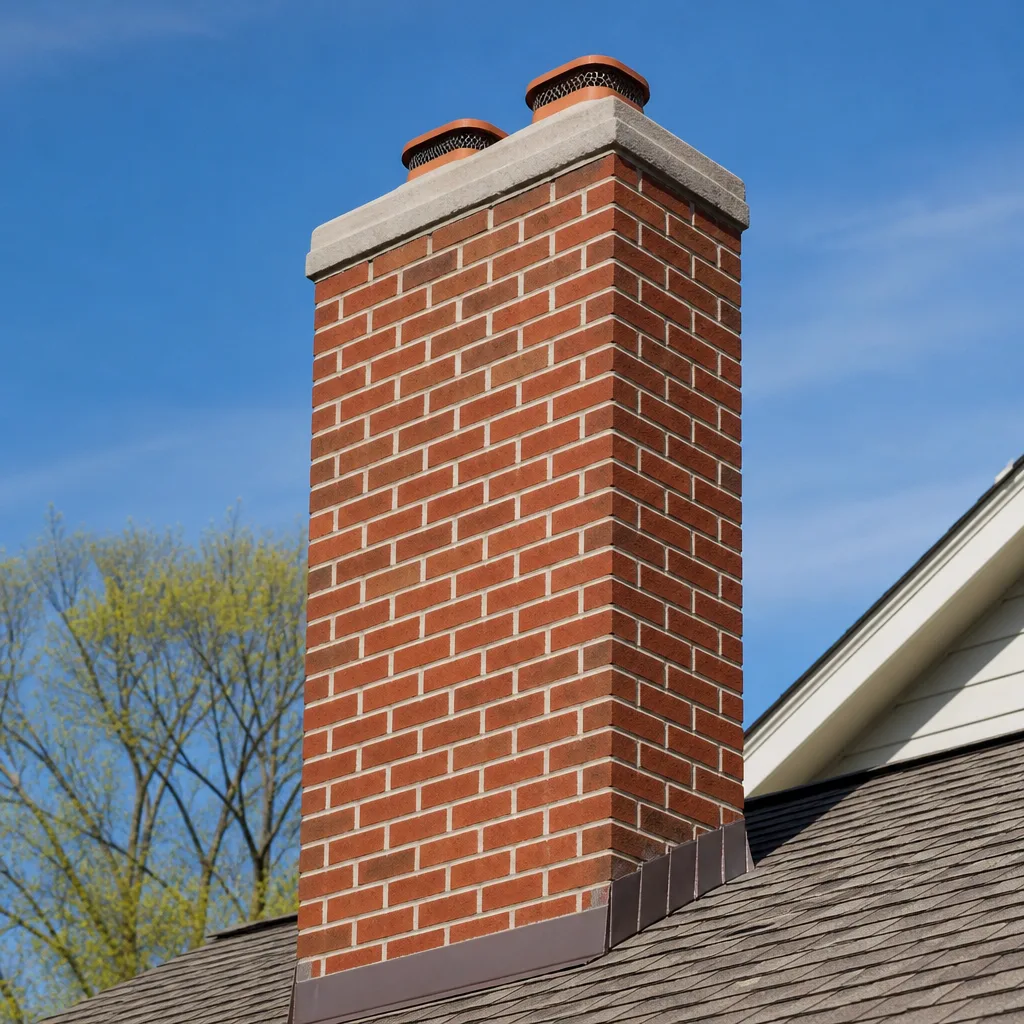 Masonry repair
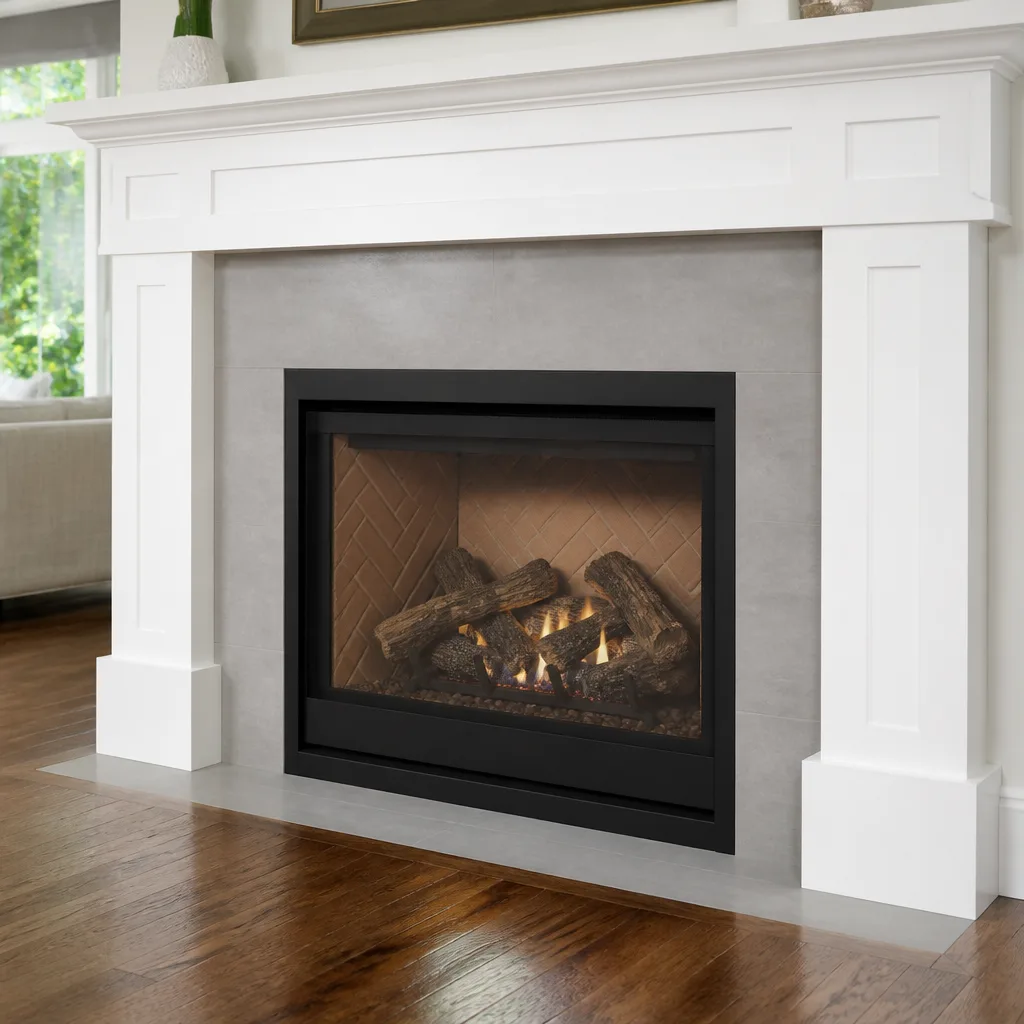 Gas fireplace service
Level 1 sweep and inspection to the NFPA 211 annual standard - flue, crown, cap, and flashing checked and photographed
Chimney sweep logs do not sweep chimneys. They loosen some creosote - which then falls where a brush and vacuum still have to collect it.
Seasonal Chimney Cleaning Care for Fontana: Year-Round Homeowner’s Guide
Scheduling a chimney sweep in October like the national guides suggest makes sense in Boston. In Fontana, where Santa Ana wind events run through November and December, that timing can put you in a chimney fire window with a dirty flue. The inland Southern California climate doesn’t follow the four-season script most chimney advice assumes. This guide replaces the generic spring and fall checklists with a calendar built around how Inland Empire homes actually use their chimneys: a short December-to-February burn season, a long dry dormancy, and a fire-weather period that creates its own set of flue risks. You’ll learn what to check each month, what can safely wait, and what needs a professional eye before you light the first fire.
Quick Answer
Fontana homeowners should sweep their chimney in late October or early November, before the first burn but after the worst of Santa Ana wind season has settled, then inspect again in February or March after the burn season ends. The post-season inspection matters more than the pre-season one because it reveals how the flue actually behaved under fire. Summer maintenance focuses on pest blockage, mortar cracking from heat exposure on south-facing chimneys, and cap integrity after high-wind months.
Styles & brands we work with
Table of Contents
- Why Fontana’s Climate Changes Chimney Care
- Santa Ana Wind Season: The Overlooked Flue Hazard
- Pre-Season Prep: October and November
- Burn Season Maintenance: December Through February
- Post-Season Inspection: February and March
- Summer Dormancy: April Through September
- Wildfire Smoke and Your Flue
- Gas Fireplace Checks for Mild-Winter Homes
- Common Mistakes to Avoid
- When to Call a Professional
- Frequently Asked Questions
Why Fontana’s Climate Changes Chimney Care
Fontana sits at the foot of the San Gabriel Mountains, in a climate zone where summer temperatures routinely exceed 100 degrees and winter nights drop into the 40s. The city sees roughly 13 inches of rain a year, almost all of it between December and March. That’s a very different environment from the damp, cold climates where most chimney maintenance advice originates.
Here’s what that means for your flue. First, the burn season is short. Most Fontana homes with wood-burning fireplaces use them heavily for eight to twelve weeks, then not at all for the rest of the year. Creosote accumulation behaves differently in this pattern. Short, hot fires in a cold flue produce Stage 1 creosote (the flaky, sooty kind) rather than the thick, tarry Stage 3 glaze that cooler, smoldering fires create. But that doesn’t mean the flue stays cleaner. The long dormancy allows whatever deposits are present to harden and bond to the flue walls, which makes them harder to remove and easier to miss during a rushed inspection.
Second, the dry heat affects masonry differently. South-facing chimneys in Fontana neighborhoods like Southridge and Hunter’s Ridge absorb intense solar radiation from April through October. The mortar joints expand during the day and contract at night. Over years, that thermal cycling produces hairline cracks that, in a damper climate, would take decades to develop. Those cracks matter. They let heat reach combustible framing during a chimney fire, and they let moisture into the flue system during winter rains.
Third, the wind. Fontana’s geography funnels Santa Ana winds through the Cajon Pass and down the foothills with enough force to stress chimney caps, chase covers, and exposed flue liners. We’ve repaired caps on Fontana chimneys that were functionally intact but pulled loose from their anchors by three months of sustained gusts. A loose cap lets rain in during January storms and gives birds and rodents an open door during the rest of the year.
Understanding this three-part pattern (short burn season, thermal stress, wind exposure) is the foundation for the rest of this guide. Each season in Fontana produces a specific chimney care priority, and the tasks that matter in October are different from what matters in March. If you’re looking for a chimney professional who works with this climate regularly, our Chimney Sweep in Fontana page explains our approach.
Santa Ana Wind Season: The Overlooked Flue Hazard
Santa Ana winds typically begin in late September and run through November, with the strongest events in October and early November. For Fontana homeowners, this period creates two distinct chimney risks. The first is structural: sustained gusts of 40 to 60 miles per hour test every exterior component of the chimney system. The second is fire-related: a dirty flue encountering embers and wind-driven sparks creates conditions that national guides simply don’t address.
The structural risks concentrate in four places:
- Chimney caps: Standard single-bolt caps work free under repeated wind loading. A cap that rattles in a Santa Ana event is already failing. Once it loosens, every subsequent gust works it further until it either detaches or damages the flue tile it’s mounted to.
- Chase covers: Factory-built chimneys with metal chase covers rely on silicone seals that degrade faster in high-UV climates like Fontana’s. Wind-driven rain can enter through gaps that are invisible from the ground.
- Masonry crowns: Cast concrete crowns develop small cracks from thermal cycling. Santa Ana winds drive moisture and debris into those cracks at pressure, worsening what began as a cosmetic issue.
- Flue liners: Clay tile liners with pre-existing hairline cracks experience thermal shock when hot fire gases hit the tile during windy conditions. The wind pressurizes the flue unevenly, and a cracked liner expands and contracts at different rates.
We inspect Fontana chimneys after every significant wind season and consistently find caps that were secure the previous spring. The fix is usually straightforward, but it’s only obvious from the roofline. A ground-level visual check won’t catch a cap that’s one gust away from failure.
Pre-Season Prep: October and November
Late October is the correct window for a pre-season chimney sweep in Fontana, but the reasoning is different from what you’ll read in a national guide. In cold climates, you sweep before the first frost because the chimney will be the primary heat source. Here, you sweep in late October because the strongest Santa Ana winds have usually passed, and whatever the wind season deposited in the flue (leaves, dust, creosote dislodged from the walls, nesting material) is now settled and ready for removal.
Local firewood also plays a role. Most Fontana homeowners buy firewood from sellers in the Inland Empire or the high desert, and the wood is typically eucalyptus, oak, or citrus that’s been split and seasoned for varying lengths of time. Less-seasoned wood produces more creosote per fire. If you’ve bought wood in September, it’s been drying through the hot months, which helps, but it still may contain more moisture than kiln-dried product. A pre-season sweep removes whatever accumulated during the last burn season and gives you a clean baseline before any new fires.
Here’s the pre-season checklist we recommend for Fontana homes:
- Schedule the sweep: Book the cleaning for the last two weeks of October. This timing avoids the rush of November calls and the uncertainty of December weather.
- Inspect the cap and chase cover: If you can safely access the roofline, check that the cap is secure and the screen mesh is intact. If you can’t get on the roof, have the sweep check it as part of the cleaning.
- Clear the hearth area: Remove any stored items, decor, or furniture within three feet of the firebox opening. This zone matters during the burn season, too.
- Test the damper: Open and close it fully. A damper that sticks or doesn’t seal means cold air intrusion during winter nights and smoke spillage during fires.
- Check the smoke detector: Install fresh batteries. This is the single cheapest insurance against slow, smoldering chimney fires that produce smoke before flames.
If the sweep reveals creosote buildup beyond Stage 1, or if the inspection finds cracked flue tiles, the repair work needs to happen before the first fire. Ashwood handles both cleaning and repair in a single service call, so a homeowner who needs Chimney Repair in Fontana doesn’t have to find a second contractor and lose another two weeks.
Burn Season Maintenance: December Through February
Fontana’s burn season typically runs from early December through late February. During these weeks, the chimney is doing active work, and the maintenance priorities shift from preparation to observation. The goal is to catch developing problems before they become structural or fire hazards.
Most Fontana homes burn three to four times per week during December and January, then taper off through February. That’s fifteen to twenty fires across the season. Each fire deposits a thin layer of creosote on the flue walls. Under normal conditions, that layer stays thin and flaky. But conditions inside a Fontana flue during burn season are rarely normal.
The key variable is fire intensity. Inland Empire homes often burn quick, hot fires for ambiance rather than long, slow fires for sustained heating. Hot fires in a flue that’s cold from the overnight lows create rapid temperature swings. Those swings cause thermal shock in clay tile liners, especially older ones that have already sustained decades of similar cycling. The resulting hairline cracks are invisible during routine cleaning but show up under a camera inspection.
During burn season, watch for these indicators:
- Smoke spilling into the room when the fire is first lit, which often indicates a cold flue or a partially blocked damper.
- A strong campfire smell in the house hours after the fire is out, which suggests creosote is off-gassing from a buildup that’s thicker than normal.
- A dull, rumbling sound from the chimney during or after a fire, which can indicate a flue fire in progress.
- Black, puffy creosote visible on the flue walls when you shine a flashlight up from the firebox.
- Creosote measurement: How thick is the buildup, and what stage is it? Stage 2 creosote in March suggests either unseasoned wood or fires that burned too cool.
- Flue tile inspection: A camera scan of the liner looking for new cracks, spalling, or gaps between tiles. Thermal cycling during the burn season is when new damage appears.
- Damper function: The damper has been cycled dozens of times. Does it still seal completely? A warped or rusted damper is a common discovery in March.
- Moisture intrusion: Any signs of water staining on the firebox walls or ceiling near the chimney chase, indicating a failed cap seal or crown crack that opened during winter rains.
- Firebox condition: Check the refractory panels for cracking, which can expose the metal firebox shell to direct flame.
- Install or verify a chimney cap with a proper screen mesh. This single component prevents most pest blockages.
- Check for heat cracks in the mortar on south-facing chimney faces each September.
- Trim tree branches that overhang the chimney. Southern California oaks and eucalyptus drop debris year-round.
- Listen for animal sounds in the fireplace. Scratching or chirping means something is already inside.
- The home was within five miles of a fire perimeter and smoke was visible at ground level for more than 48 hours.
- The fireplace shows visible gray film or ash on the hearth, firebox walls, or damper handle.
- Burner inspection: Check for rust, corrosion, or debris blocking the gas ports. Uneven flame patterns indicate a problem.
- Log placement: Logs must sit exactly where the manufacturer specifies. Misplaced logs cause incomplete combustion and soot production.
- Vent screen cleaning: The exterior vent screen accumulates dust and debris in Fontana’s dry climate.
- Carbon monoxide detector test: Same as wood-burning homes. Fresh batteries, functional sensor.
- Sweeping in November or December: By November, Santa Ana winds are actively pushing debris into flues, and the busy season means longer waits. A late-October sweep avoids both problems.
- Skipping the post-season inspection: The March inspection reveals more about how the chimney performs than any other single visit. Skipping it means a whole year goes by with undiagnosed flue damage.
- Burning unseasoned eucalyptus: Eucalyptus is common and cheap in Fontana, but it produces heavy creosote when burned before it’s fully dried. Make sure wood has seasoned for at least 12 months.
- Ignoring a loose chimney cap: A rattling or crooked cap is the first sign of anchor failure. Once it detaches, the repair is more expensive and the flue is exposed to rain and pests.
- Treating the fireplace as storage: The firebox is not a shelf. Anything combustibles placed in or near the firebox during the dormant months becomes kindling when the burn season starts.
- Closing the damper after every fire without checking for embers: A hot ember under a closed damper smolders all night and accelerates creosote hardening. Let fires burn completely out before closing the damper.
If you see any of these, stop burning until the chimney can be inspected. A chimney fire in a dirty flue is not a marginal risk. It’s the single most common cause of chimney-related house fires, and it’s entirely preventable with a clean flue and a working damper.
Post-Season Inspection: February and March
The post-season inspection is the most diagnostic chimney service a Fontana homeowner can schedule, and it’s the one most people skip. Here’s why it matters more than the pre-season visit.
After twenty fires across three months, the flue has accumulated a season’s worth of creosote and soot. That buildup reveals how the chimney performs under actual use. A flue that appears clean in October but shows heavy Stage 2 creosote by March is telling you something about your wood moisture content, your burning habits, or your draft characteristics. A pre-season sweep can’t show you that because the flue has been dormant.
A thorough post-season inspection in Fontana should cover:
We find problems in March inspections that would have gone unnoticed until the following October. The three to six month gap between discovery and the next burn season gives homeowners time to schedule repairs at their convenience, source materials properly, and avoid the November rush.
Summer Dormancy: April Through September
From April through September, most Fontana chimneys sit idle. But the Southern California summer is not a maintenance-free period. Three things happen during the long dry dormancy that affect how well the chimney performs in December.
The first is pest intrusion. Fontana’s warm climate supports active squirrel, bird, and raccoon populations year-round, and an uncapped or poorly capped chimney reads as prime nesting real estate. Birds nest in the flue itself. Squirrels prefer the chase or the area behind the chimney. Either way, the result is organic material (twigs, grass, feathers, fur) blocking the flue or creating a fire hazard. A nest in the flue during the first fire of December is a chimney fire waiting to happen.
The second is thermal stress on south-facing masonry. Chimneys on the south side of Fontana homes, especially those in newer subdivisions with minimal shade trees, absorb direct sunlight for eight to ten hours a day during July and August. Surface temperatures on dark brick can exceed 150 degrees. The mortar joints expand. At night, they contract. Over a single summer, that’s thousands of expansion and contraction cycles. Over a decade, it’s enough to produce visible cracks that need repointing. A visual inspection in September will show you whether the mortar is still sound.
The third is wind-related cap damage from late-season Santa Ana events. While the strongest winds occur in October and November, occasional wind events in April and May still stress the cap. A cap that was borderline after the winter now gets three more months of repeated loading.
Summer tasks for Fontana homeowners:
Wildfire Smoke and Your Flue
Fontana sits downwind of wildfire zones in the San Gabriel and San Bernardino mountains. During major fire events, smoke and particulate matter settle across the city for days or weeks at a time. Homes that aren’t actively burning fires still accumulate residue inside their chimney systems.
What happens is straightforward. Wildfire smoke carries fine particulate matter, including ash and partially combusted carbon compounds. When that smoke settles over a Fontana neighborhood, the particulates enter any home opening, including the chimney. Inside the flue, they mix with existing creosote deposits and settle as a fine, gray film. This residue is not creosote in the traditional sense, but it’s combustible. If the flue already has Stage 1 or Stage 2 creosote from the previous burn season, the wildfire particulate adds another layer of fuel.
After a significant wildfire smoke event, we recommend a chimney inspection if either of these conditions applies:
A post-smoke inspection is quicker than a full sweep and confirms whether the flue needs cleaning before the burn season. For homes that use their fireplaces regularly, the inspection often reveals existing creosote that absorbed wildfire particulate, making it thicker and stickier than it was before the smoke event. A cleaning resolves it.
Homes with gas fireplaces should also check the exterior venting after wildfire events. The vent screens on direct-vent gas fireplaces clog with ash and dust, restricting airflow and potentially causing the unit to shut down or produce incomplete combustion. A quick cleaning of the vent screen restores normal function.
Gas Fireplace Checks for Mild-Winter Homes
Many Fontana homes use gas fireplaces or gas log sets instead of wood. Because gas units don’t produce creosote, homeowners often assume they don’t need maintenance. That assumption is wrong in two important ways.
First, gas fireplaces still vent exhaust. The venting system, whether it’s a direct-vent pipe through the wall or a lined flue up the chimney, accumulates dust, spider webs, and mineral deposits from combustion. When the vent is restricted, exhaust gases can’t leave the firebox properly. The result can be carbon monoxide buildup in the home. The risk is lower in a climate like Fontana’s, where windows are open through much of the year, but it’s not zero. A blocked or damaged vent on a gas unit is a carbon monoxide hazard regardless of the season.
Second, gas log sets in a traditional masonry fireplace put heat and combustion byproducts into the firebox and flue, just at lower volume than wood. The flue still gets dirty, and the damper still needs to function. If the damper is closed while the gas logs are burning, carbon monoxide enters the home.
A seasonal check for gas fireplaces in Fontana should include:
Ashwood services gas fireplace chimneys as part of our regular sweeping and inspection work. The flue still needs cleaning even when the fuel is gas.
Common Mistakes to Avoid
Most of the chimney problems we repair in Fontana homes originate from one of a handful of avoidable mistakes. Each of these is specific to how Inland Empire homeowners use and maintain their chimneys.
When to Call a Professional
Some chimney tasks are DIY-friendly: checking the damper, clearing the hearth, testing smoke detectors. Others require a professional, and it’s usually obvious which is which once you’re looking at the problem. Call a professional if you see any of these: visible creosote buildup thicker than a credit card, smoke entering the room during normal fires, a strong persistent odor from the fireplace during the off-season, water stains on the ceiling or walls near the chimney, or any evidence of animal activity inside the flue. Damaged flue liners also require a professional assessment. If the liner is cracked or spalled, the repair options range from full replacement to specialist restoration. Products like HeatShield allow a certified contractor to restore a deteriorating liner without demolition, but the assessment needs to happen before the damage spreads. That’s the kind of repair work Ashwood handles. Ashwood Chimney Sweep offers free estimates in Fontana with camera inspection and photo documentation for every job. Call (833) 805-3229 to schedule a sweep, an inspection, or dryer vent cleaning as part of a combined service visit.
Frequently Asked Questions
Once per year, scheduled in late October or early November, plus a post-season inspection in February or March. Homes that burn more than three times per week during the burn season may need a mid-season check. The annual frequency is the same as national recommendations, but the timing is adjusted for Fontana’s short burn window and Santa Ana wind season, and you should confirm you’re meeting Chimney Cleaning Permits, Codes & Inspections in CA: What You Need to Know. Call (833) 805-3229 to schedule a sweep at the right time for your specific home.
A standard chimney sweep in Fontana typically costs between $150 and $300 for a single flue with no major repairs needed; see our Chimney Cleaning Cost Breakdown: The Fontana Homeowner’s Reference for 2026 for a fuller picture. Factors that affect the price include the height of the chimney, the amount of creosote buildup, whether the flue has a liner, and whether animal removal is required. A camera inspection is usually included in the service. For an exact quote on your chimney, call (833) 805-3229, and estimates are free.
Not necessarily. Hairline cracks in clay tile liners can sometimes be repaired with specialized restoration products rather than full liner replacement. Products like HeatShield allow a certified contractor to restore the liner’s integrity without tearing out the existing flue. The decision depends on the size and location of the cracks, the condition of the surrounding tiles, and how the chimney is used. Get a camera inspection and ask specifically whether restoration is an option. Ashwood uses HeatShield for suitable repairs, and we’ll show you the camera footage before recommending any work. Call (833) 805-3229 for an assessment.
Creosote accumulates in layers. After two or three years of skipped cleanings in a wood-burning Fontana chimney, the buildup is typically thick enough to ignite under normal fire conditions. A chimney fire burns at temperatures high enough to crack flue tiles, damage the masonry structure, and spread to combustible framing. Even if a chimney fire doesn’t cause a house fire, it often causes enough structural damage to require expensive repairs. The annual sweep is cheap insurance against a multi-thousand-dollar repair bill. Call (833) 805-3229 if you’re behind on cleanings.
It’s legal but generally not advisable. High winds create negative pressure zones around the chimney cap, which can cause downdrafts that push smoke and embers back into the home. The wind can also dislodge loose creosote from the flue walls and create sparks at the chimney top. If you must burn during a Santa Ana event, keep the fire small, verify the cap is secure, and confirm the smoke is drawing upward before adding more wood. Consider scheduling an inspection after the wind event to check for any structural shifting.
Yes. Wildfire smoke contains fine particulate that settles inside the flue even when the fireplace isn’t in use. The particulates mix with existing creosote and settle as a gray, sticky film. Over time, this adds combustible material to the flue. After a significant smoke event in Fontana, a quick inspection can determine whether the residue is thick enough to require cleaning before the next burn season. Call (833) 805-3229 to have your flue checked after a major fire event.
The Bottom Line
Fontana’s climate demands a different chimney care calendar than the more guides & resources you’ll find in national advice. Sweep in late October, after the first Santa Ana winds and before the first fire. Inspect in March, when the flue shows what the burn season actually did to it. During the summer, focus on pest prevention, south-facing mortar, and cap integrity. After wildfire smoke events, check the flue even if you never lit a fire. By treating the chimney as a system that reacts to local wind patterns, temperature swings, and seasonal use, you avoid the expensive surprises and keep your home safe. Ashwood Chimney Sweep handles the full scope, from sweeping to liner repair to dryer vent cleaning, all in one call.
Written by the team at Ashwood Chimney Sweep, serving Fontana since 2012.
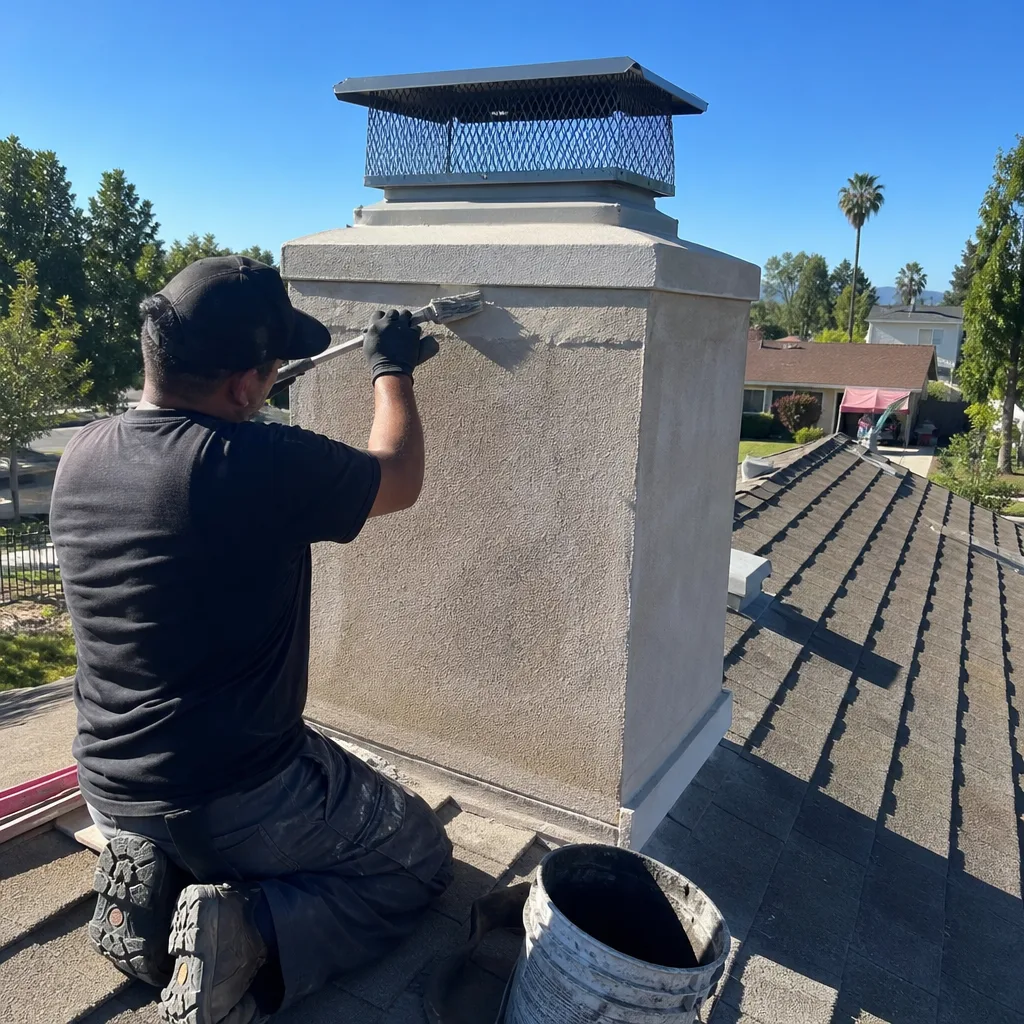
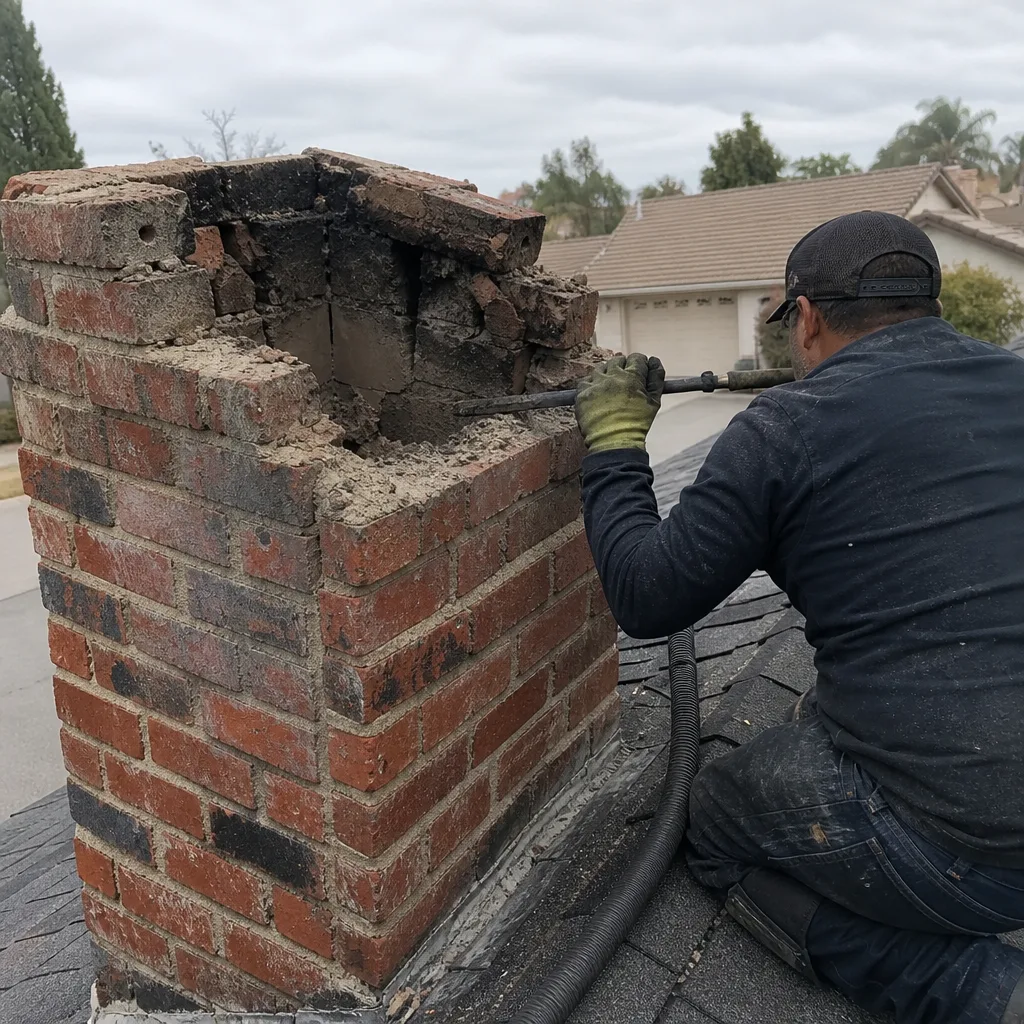
See the difference
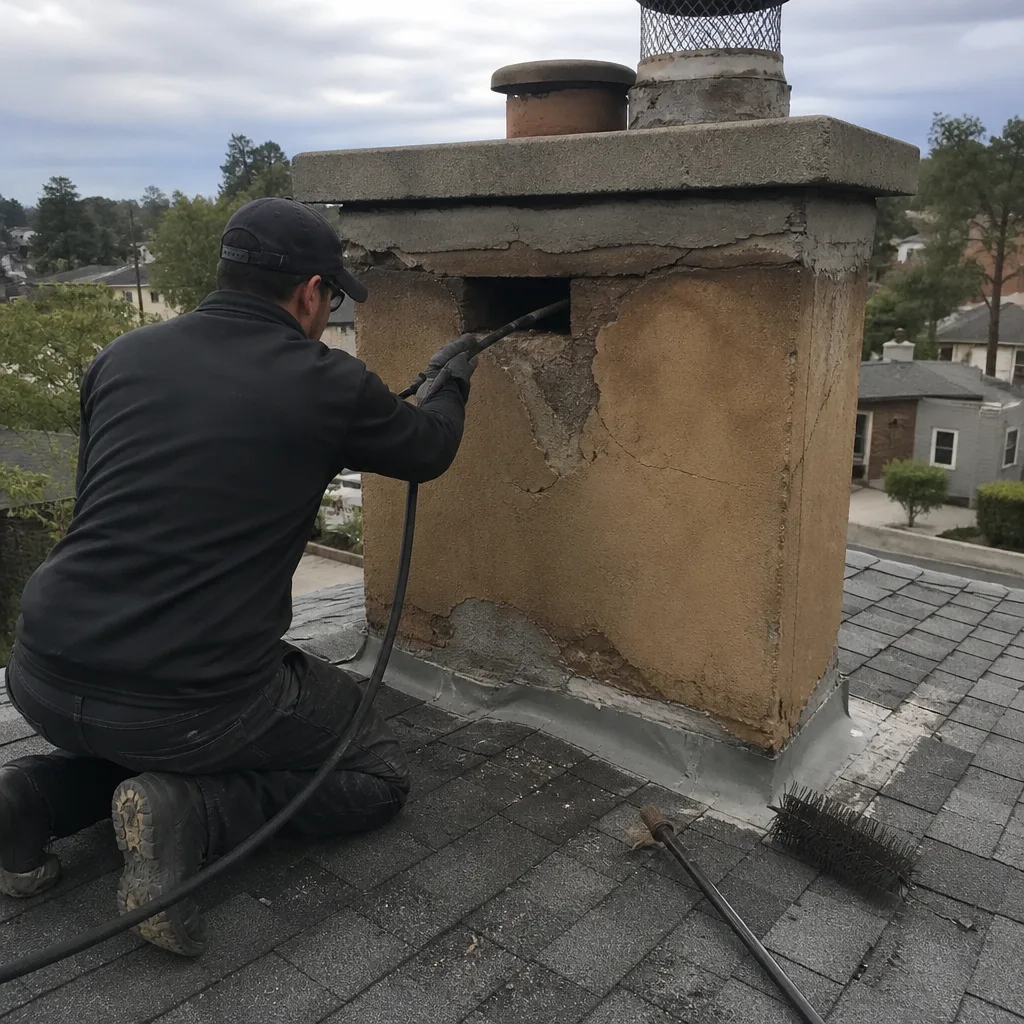 Before
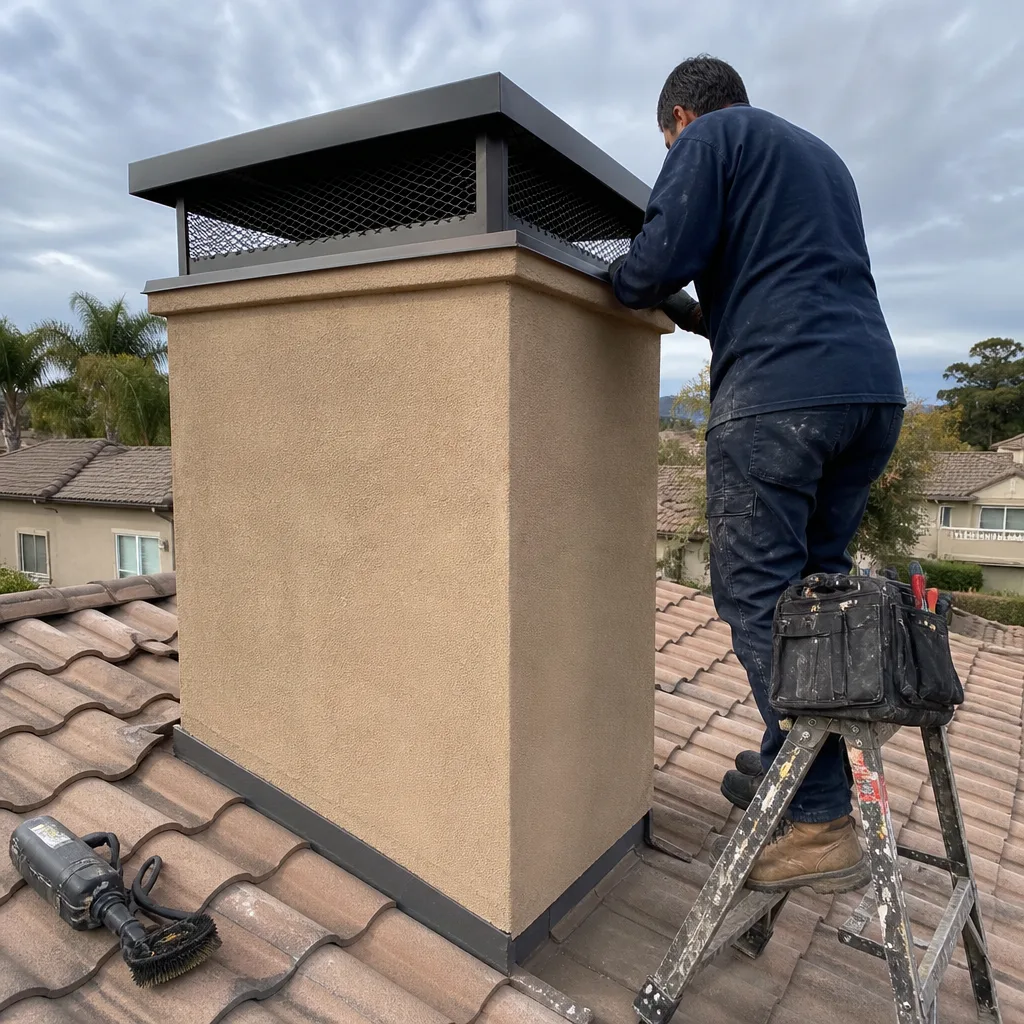 After
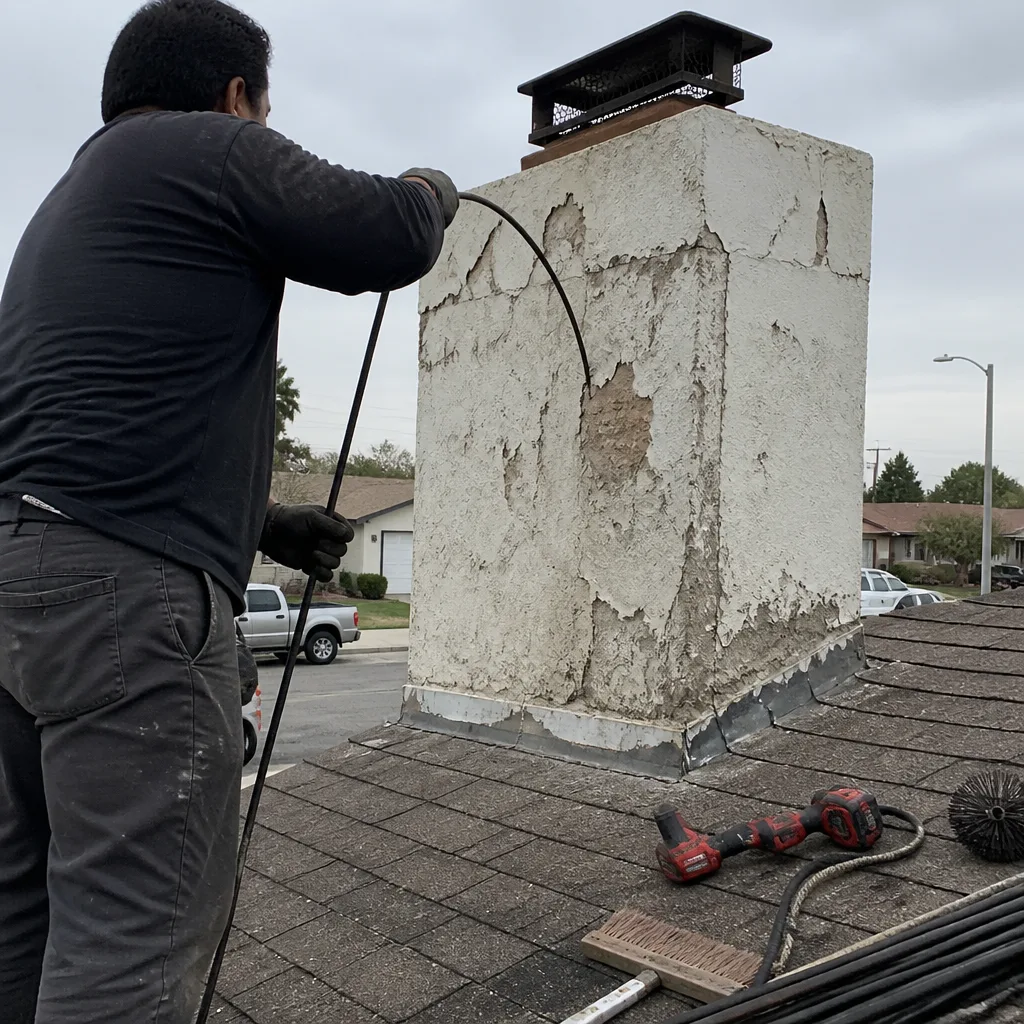 Before
 After
 Before
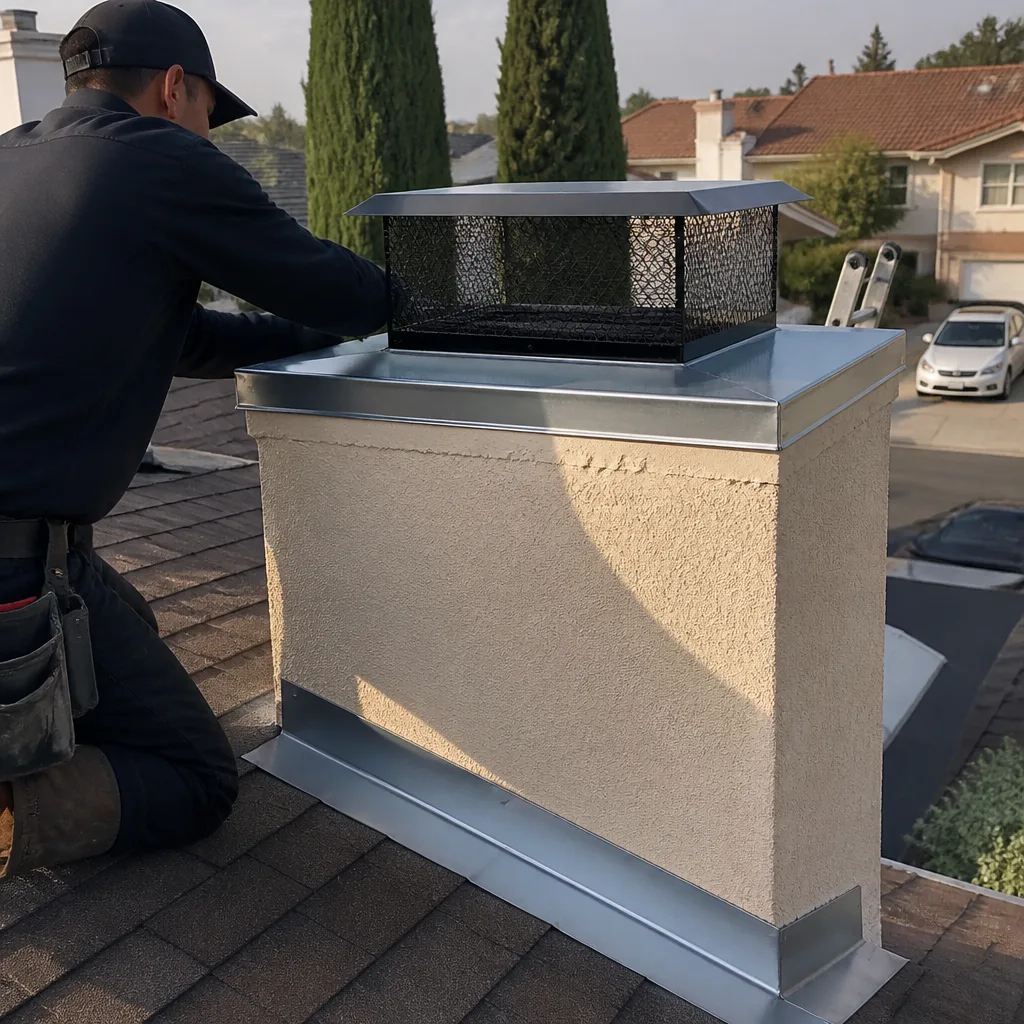 After